-
Mother of Georgia,
We walked all over today. The weather is still good. It is noticeably cooler than my previous two weeks and getting darker earlier, but still nice. I didn’t realize I could walk from my neighborhood, Vake, to Mike’s neighborhood. 🤦♀️ It is a good walk—about four miles and along lots of nice streets. I have been taking Bolt—Eastern Europe’s version of Uber.
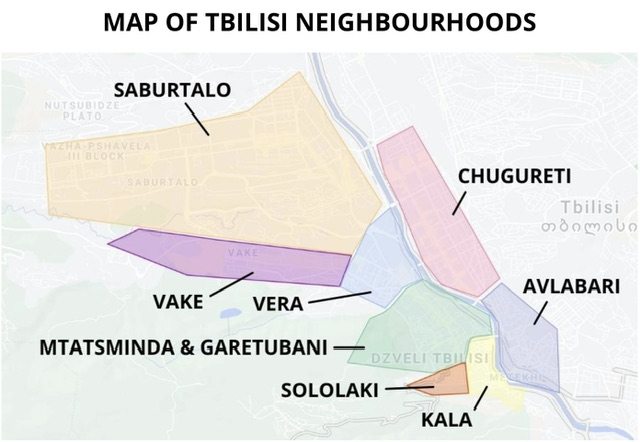
I’m in Vake. Mike is in Vera. Old Town is in Mtatsminda. The Peace Bridge connects Old Town over the Kura (Mtkvari) River to Rike Park at the edge of the Avlabari neighborhood. Rike Park is on the left bank of the river. 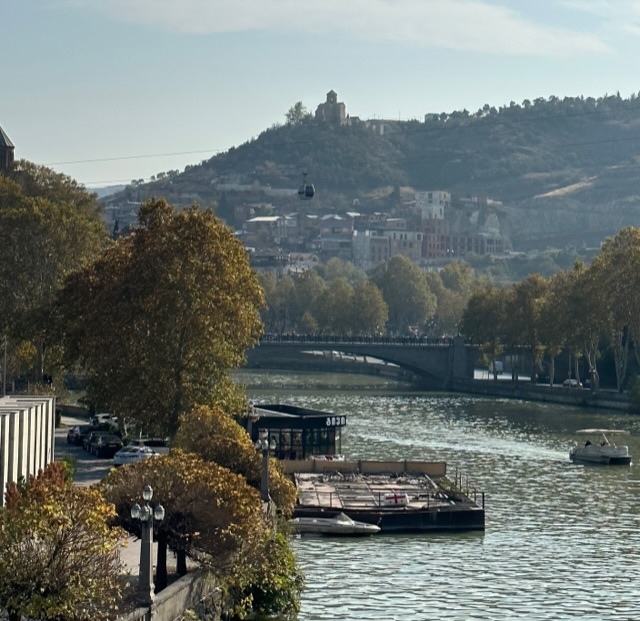
We left my apartment thinking we would go to a museum or two. All the museums are closed on Mondays so, we continued walking. We walked to Old Town and across the Peace Bridge heading towards the Holy Trinity Cathedral, also known as Sameba Cathedral, one of the most iconic landmarks of Tbilisi. The church looks old, however, is fairly new. It was completed in 2004. You can see it on the hill in this picture. 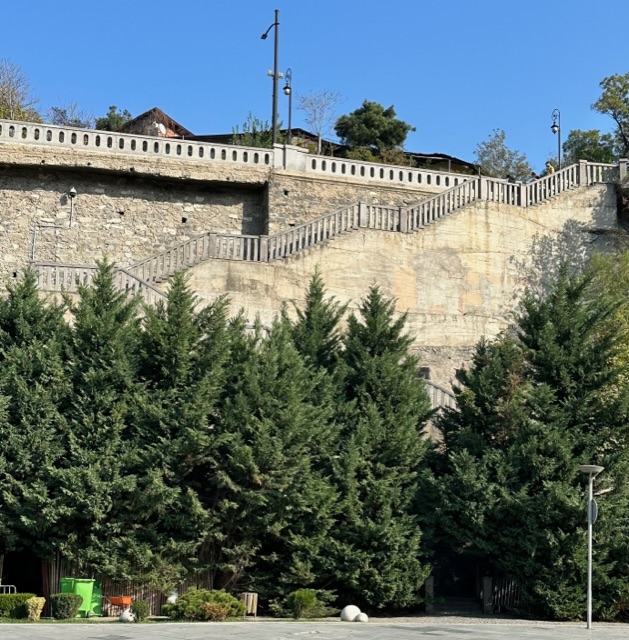
I told Mike that I might have to rest halfway up these steps. I think I scared him. ; ) 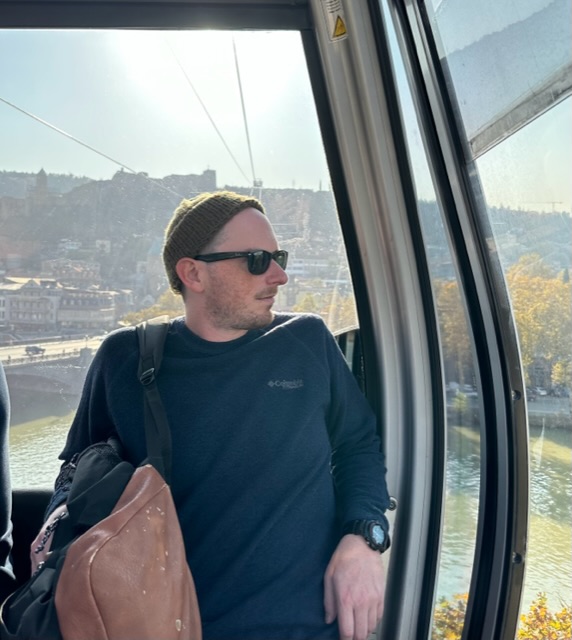
Change of plans again. We decided to take the cable car to see the Mother of Georgia up-close-and-personal. This is a different and bigger cable car than the one in my neighborhood that takes you to Turtle Lake. 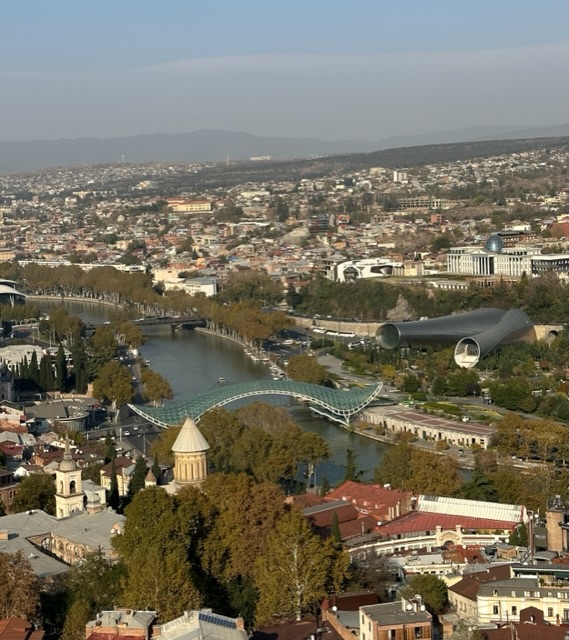
On the way up. 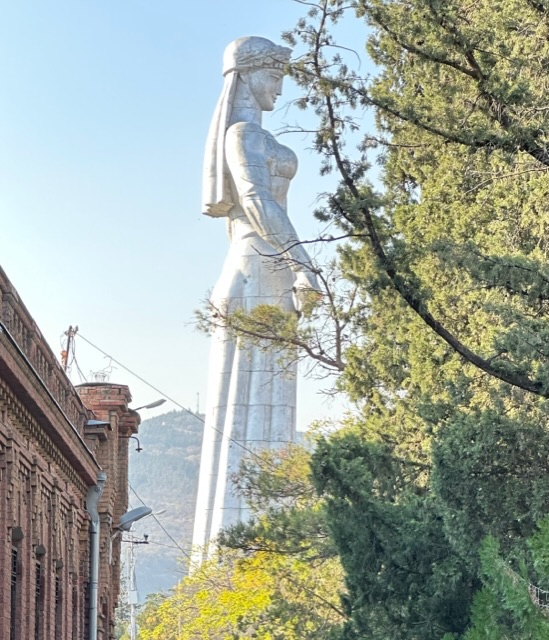
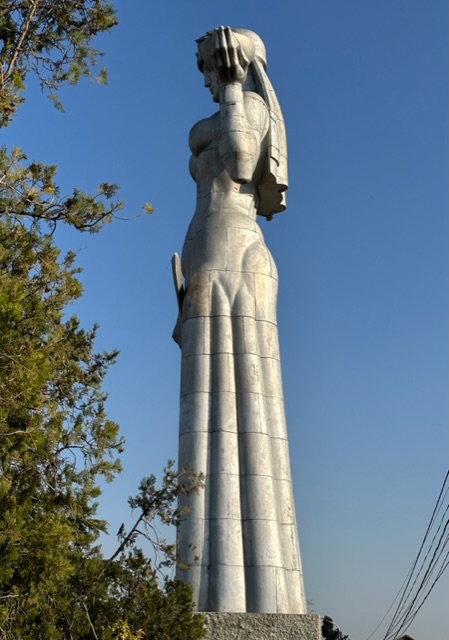
Mother of Georgia is also known as Kartlis Deda. I wrote about her briefly during my first visit to Tbilisi. You can’t get a picture of her from the front when you are up here—she is perched on the edge of a huge hill.
The statue was erected on the top of Sololaki hill next to the Narikala Fortress in 1958, the year Tbilisi celebrated its 1500th anniversary. Prominent Georgian sculptor Elguja Amashukeli designed the twenty-meter (65 feet) aluminum figure of a woman in Georgian national dress. Mother of Georgia symbolizes the Georgian national character: in her left hand she holds a bowl of wine to greet those who come as friends, and in her right hand is a sword for those who come as enemies.
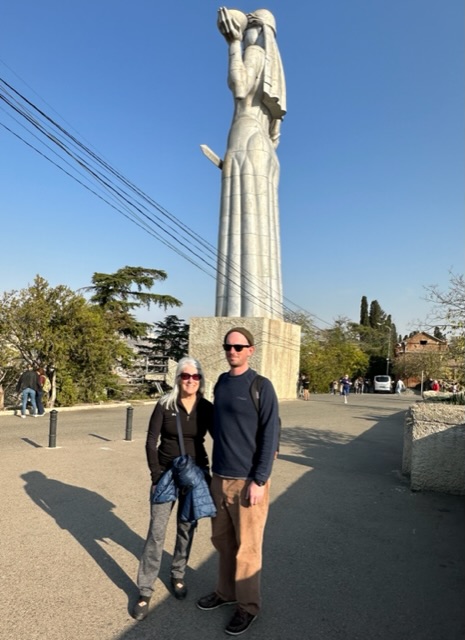
Mike and I come as friends. 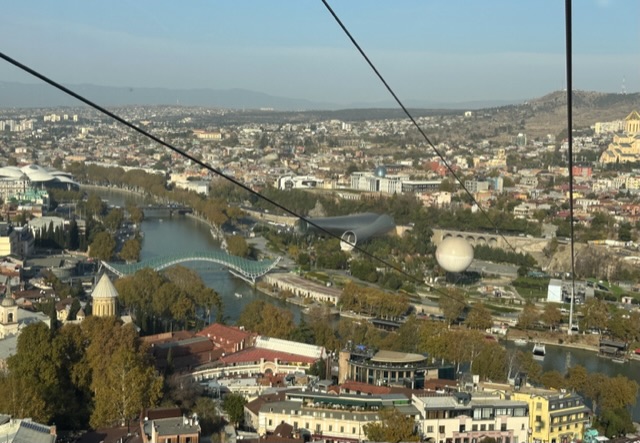
The way down. 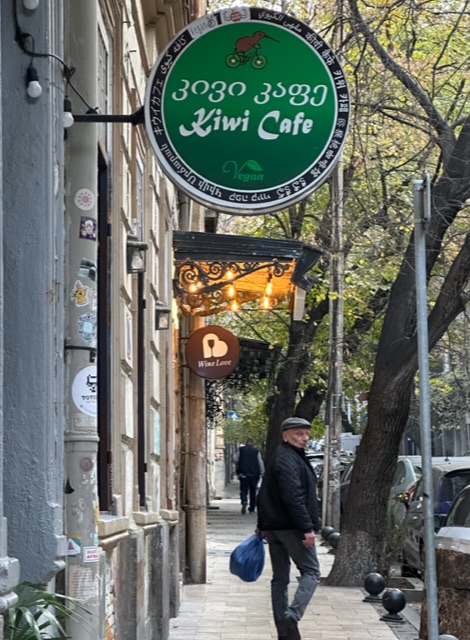
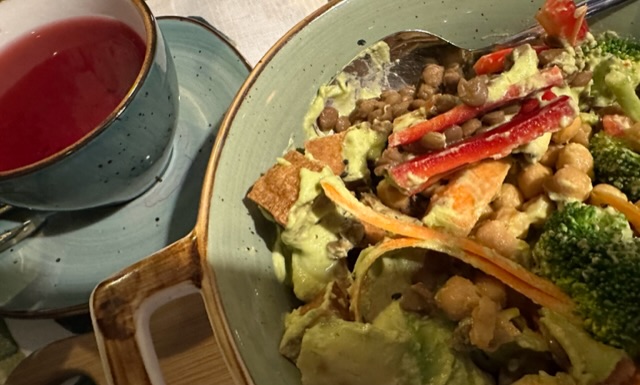
Dinner at Kiwi Cafe. The cooking instructor from Istanbul recommended this place and we happened to be in the neighborhood. Everything delicious! -
Back to Georgia
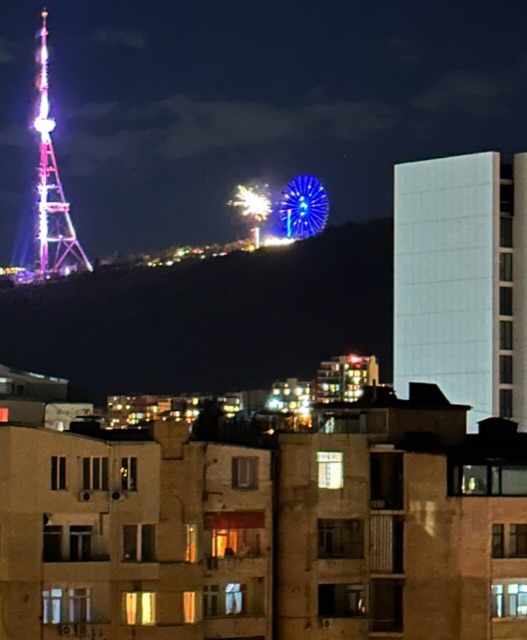
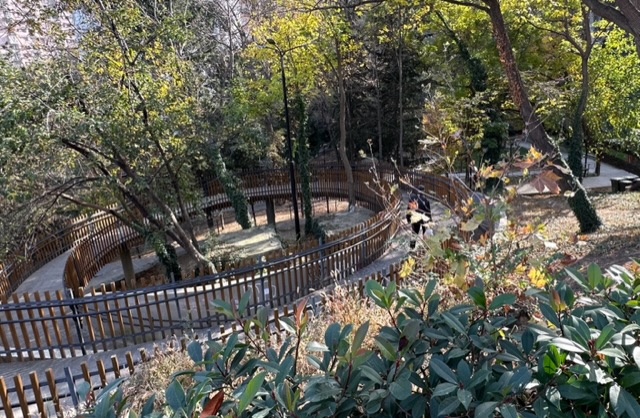
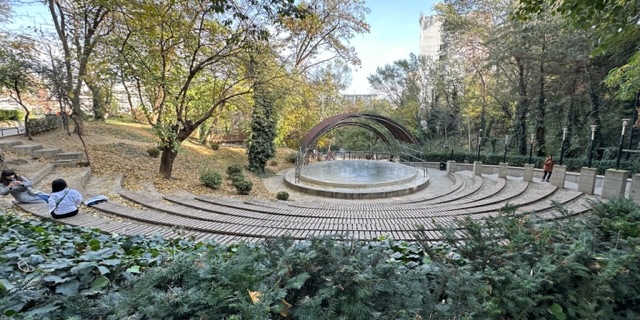
Fireworks my first evening back! It was pretty late. I found a new park by the apartment. Mziuri Park and Garden. Mziuri is located on Chavchavadze Avenue in the neighborhood I am staying in, Vake. It is said to be one of the most positive places in Tbilisi. There are statues of Georgian writer Nodar Dumbadze’s characters at the entrance (but, I have never heard of him so I don’t know who they are). There is a fun amphitheater in the central part of the park. It is a peaceful place to walk.
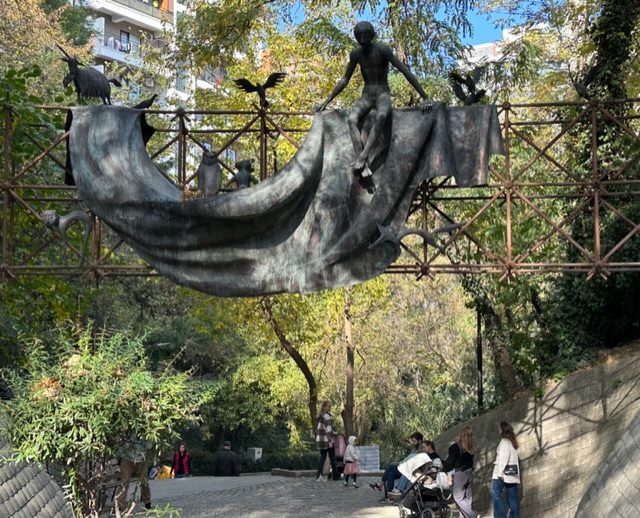
Gotta love these Soviet-style huge statues. 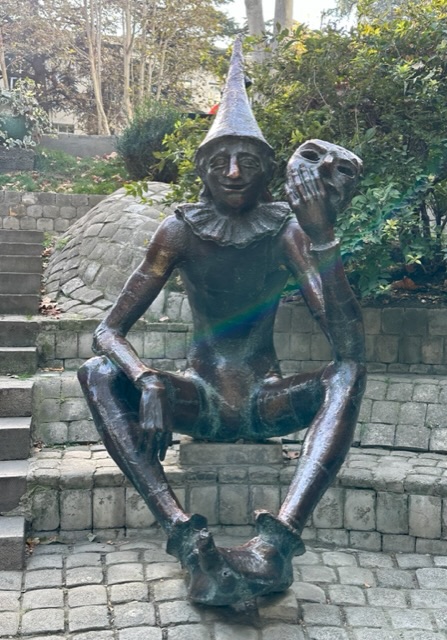
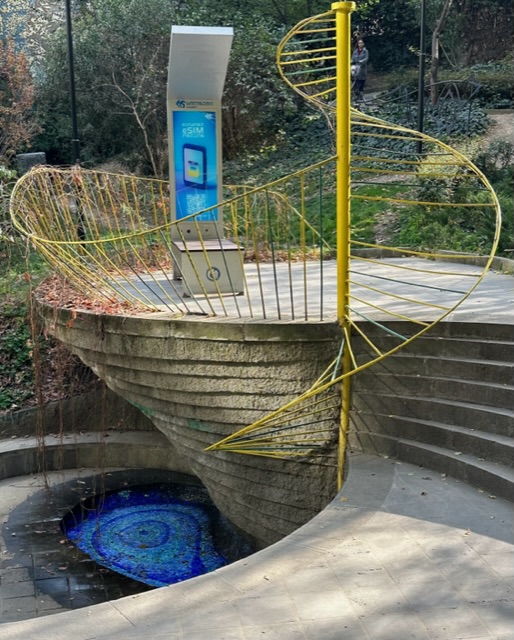
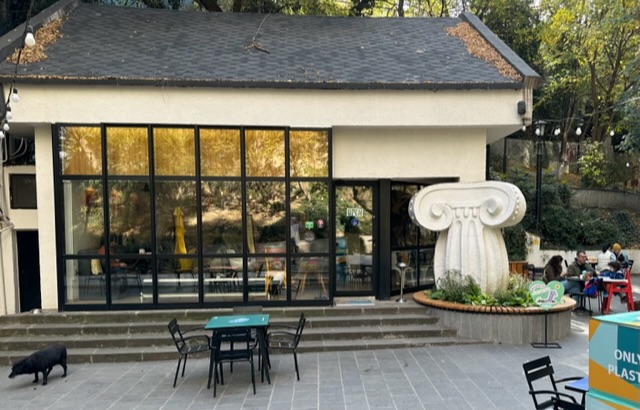
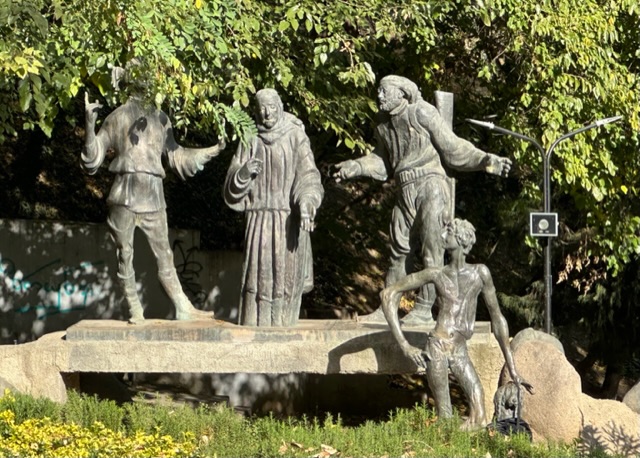
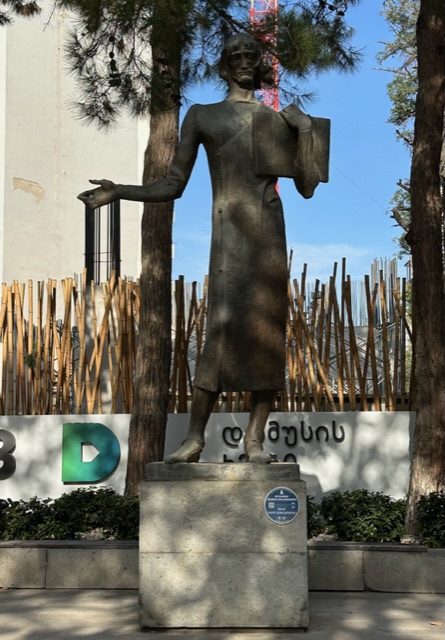
Tonight Ramona—a tale about trains in love.
Though small in size, The Gabriadze Theatre is said (at least here in Tbilisi) to be among the world’s preeminent cultural institutions. Presenting mature puppet performances full of depth and meaning, it has gained the respect and recognition of international audiences and critics alike. The company was under the direction of artist, writer and director Rezo Gabriadze who recently passed away.
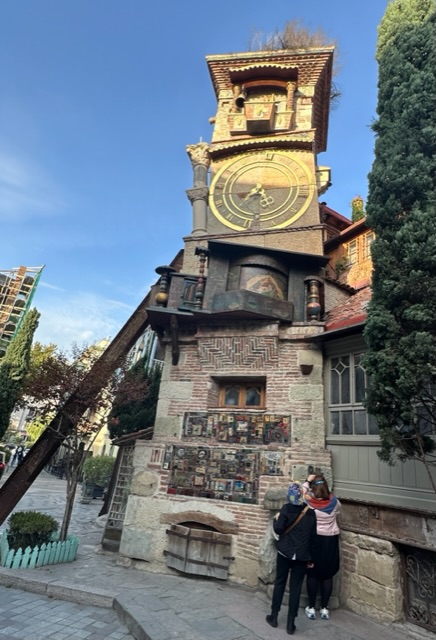
The Gabriadze Theatre is in the heart of Tbilisi’s historic Old Town.
This beautiful building was designed by Gabriadze himself.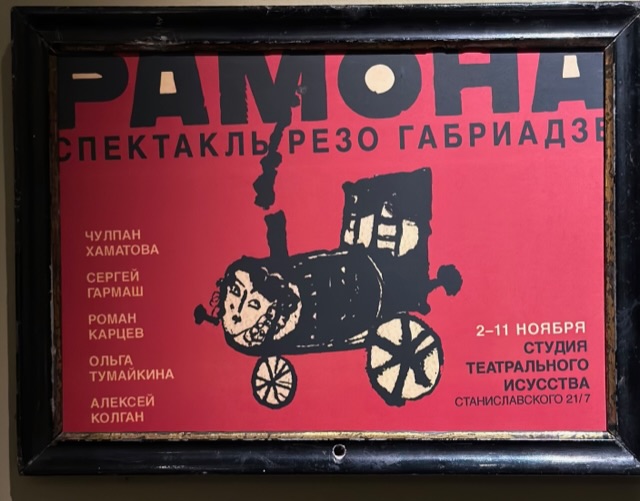
An old Ramona poster hanging in the lobby. Ramona stars two star-crossed steam locomotives. You could say it’s about the romance of travel, though here that romance ends in an unusually tearful scene of smelting. In just over an hour, this show was set in postwar Soviet Union and tackles freedom and duty, love and death, and metallurgy.
I think I overheard someone say that Ramona played at Lincoln Center a number of years ago, pre-pandemic.
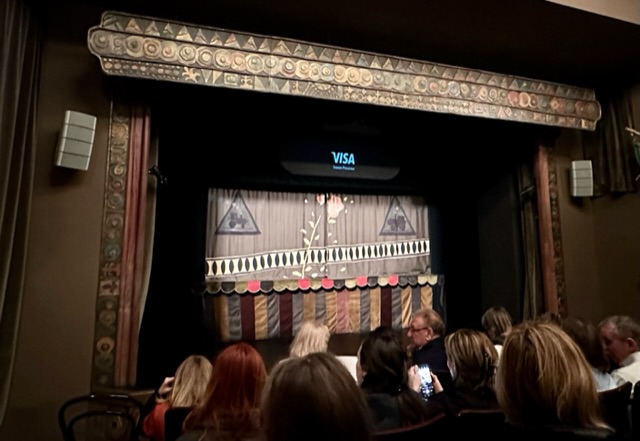
The stage. Small theater. I’m guessing it seats about 135. 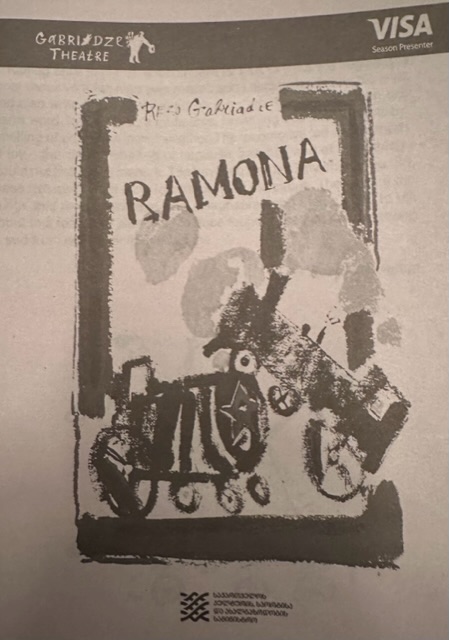
Program. The performance was terrific. I’m so glad I went. Six black-clad puppeteers were so skillful, the puppets’ voices were recorded (rather than live) and there were English subtitles. : )
Running time: 75 minutes. Premiered: 2013 in Tbilisi.
-
Istanbul. Still having, So. Much. Fun.
Leaving tomorrow. Friday will mostly be a travel day for me. Had a great time in Istanbul, but it will be nice to be back in Tbilisi with Mike.
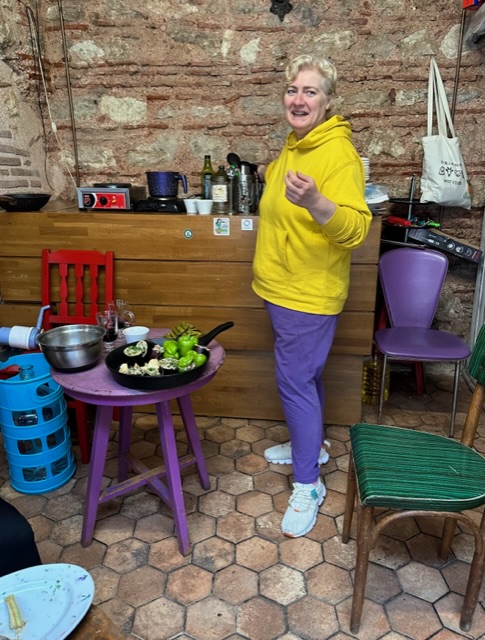
Turkish vegan cooking class with Oya. Hibiscus tea. Dolma and manti. Everything delicious! 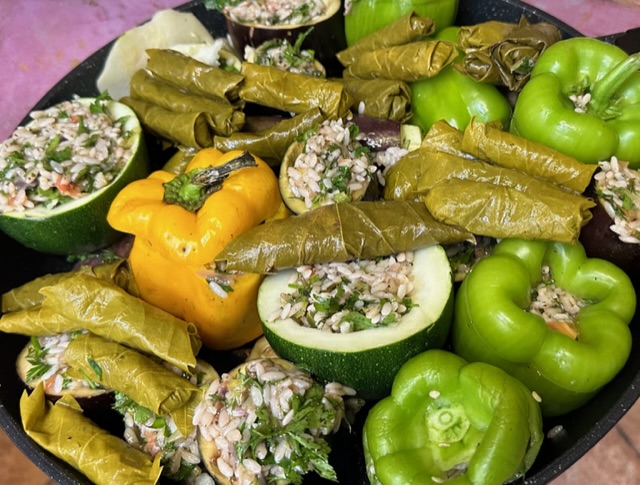
Dolma/sarma. Grape leave and vegetables stuffed with rice and herbs. 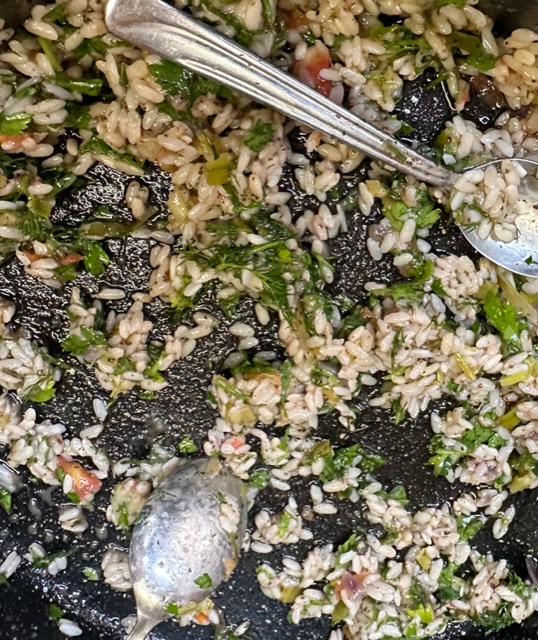
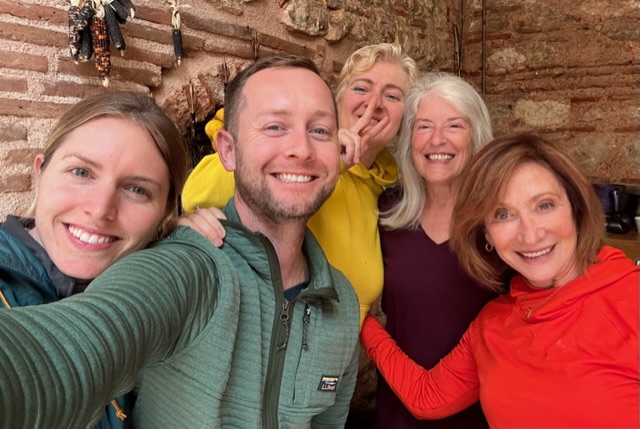
The class with instructor. So much fun. And delicious. 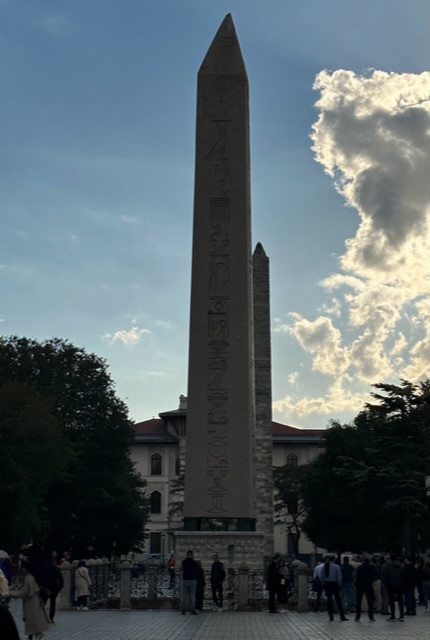
The Obelisk of Egyptian Pharaoh Thutmosis III in Istanbul’s Sultanahmet Square was originally erected in year 33 in his reign (15th century BC) at the temple of Karnak, on the occasion of his second jubilee. It once stood with its pair to the south of the Seventh Pylon flanking the temple’s doorway. In the old times obelisks were always erected in pairs.
It’s a one-piece (monolith) pink granite obelisk carved in Aswan. Originally it was over 30 meters (95 feet) tall and weighting around 380 tons, today only 19 meters (65 feet) left of it. The obelisk was brought from Karnak to Constantinople by emperor Theodosius I in 390 AD, in order to decorate the Hippodrome. It’s the oldest monument that you can see in Istanbul.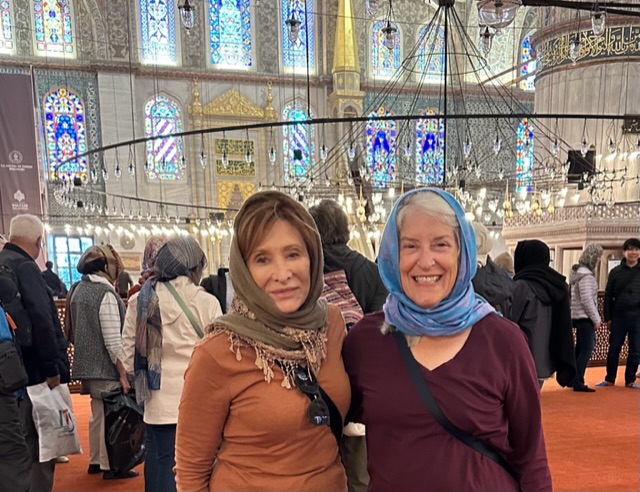
Annemarie and I inside the Blue Mosque, also known as the Sultan Ahmet Camii. 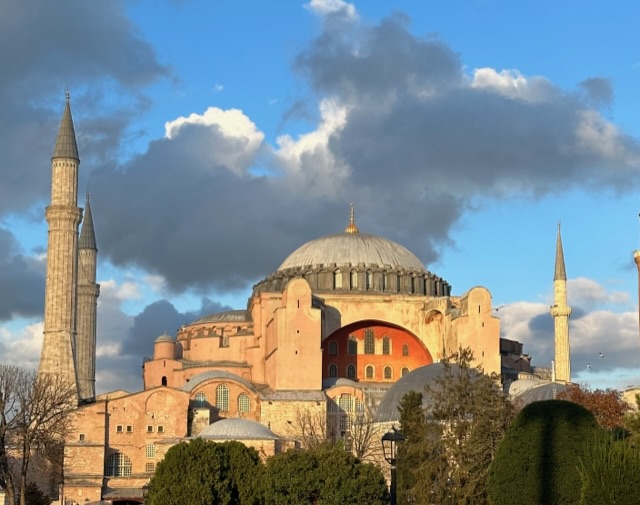
Hagia Sophia with beautiful sky. 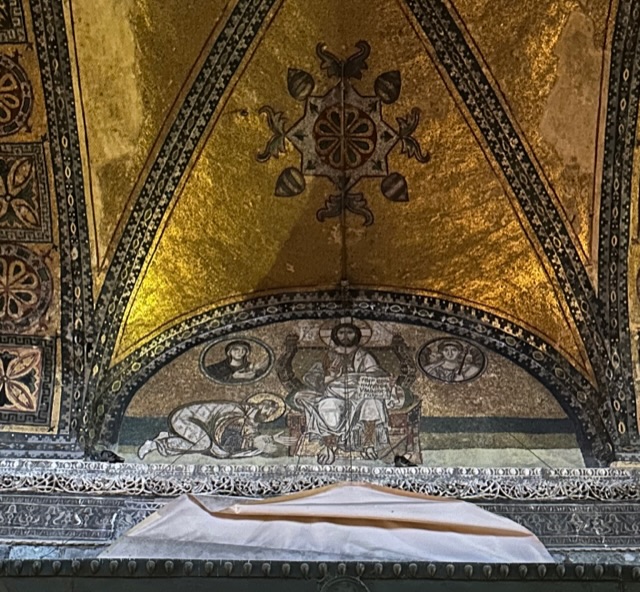
Inside the Hagia Sophia. It was a church then a mosque, then a church again, then mosque again, then a museum,
now back to a mosque. I think I got that order correct.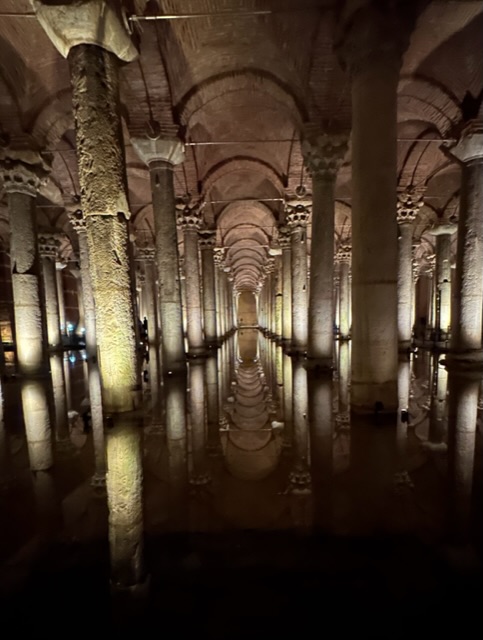
The Basilica Cistern Museum is an important cultural asset where Turks can trace the traces of glorious Istanbul history. This grand underground cistern, built by Eastern Roman Emperor Justinian I (527-565), is also nicknamed Yerebatan Sarayi (Sunken Palace) due to its numerous marble columns rising from the water. It is also known as Bazilika Sarnici (Basilica Cistern) by some, as it was built on the site of the former Stoa Basilica, which was a basilica. 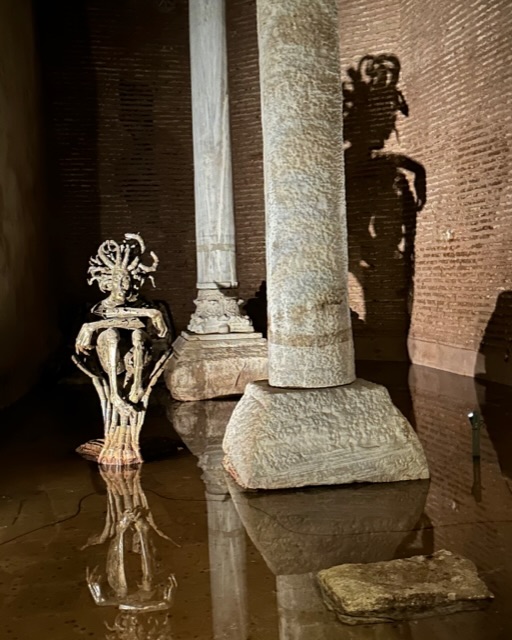
She’ll turn you to stone, the power of Medusa still emanates from two giant, snake-covered heads in an underground reservoir in Istanbul. Built in the sixth century by the Byzantine emperor Justinian as a place to store fresh water for his palace and nearby buildings, the reservoir was rediscovered a thousand years later. 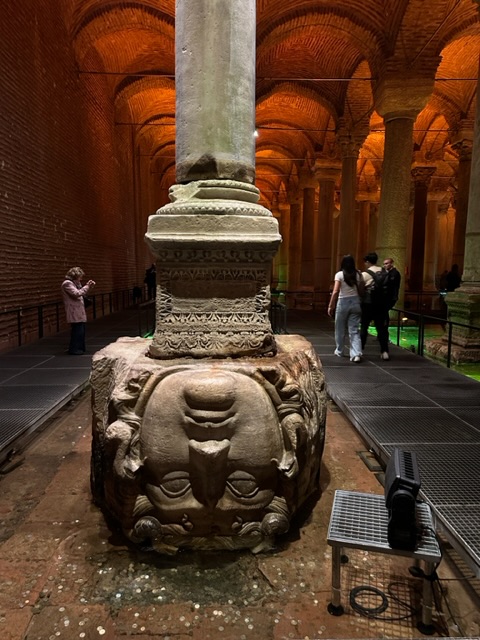
Medusa upside down. 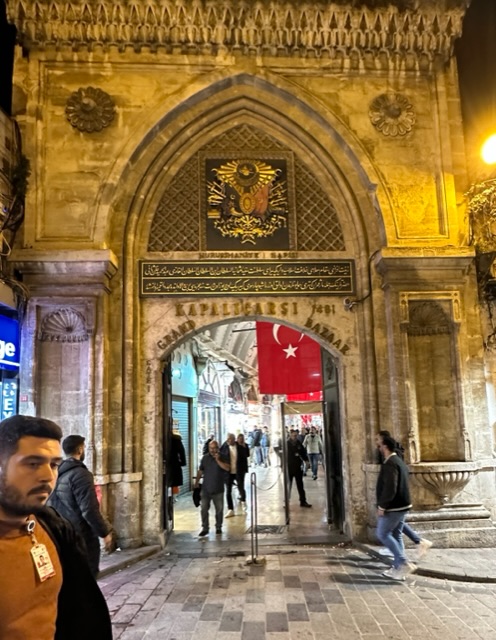
Entrance to the Grand Bazaar. 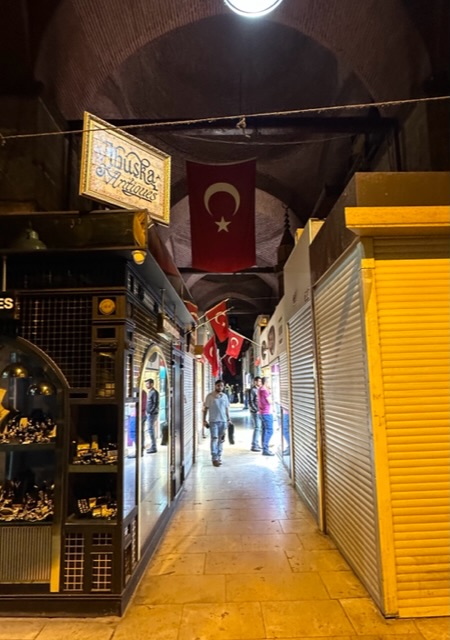
Original section of the Grand Bazaar. 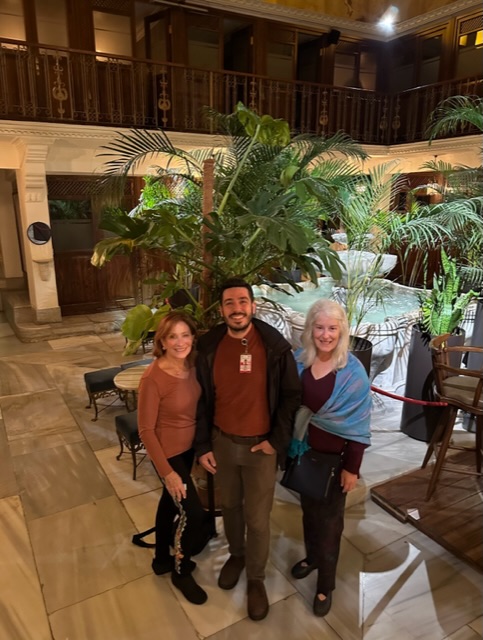
Annemarie, Emre and I are at a Turkish bath. Cagaloglu Hamani. It was gorgeous. I ran out of time.
Annemarie is going back tomorrow.. -
More fun in Istanbul,
Churches and lunch with Nazli in the Beyoglu neighborhood. Beyoglu is on the European side of Istanbul, although we had to cross the Bosphorus from our neighborhood—Beyoglu is a fun and vibrant cultural center. We walked most of the way from Sultanahmet to Beyoglu.
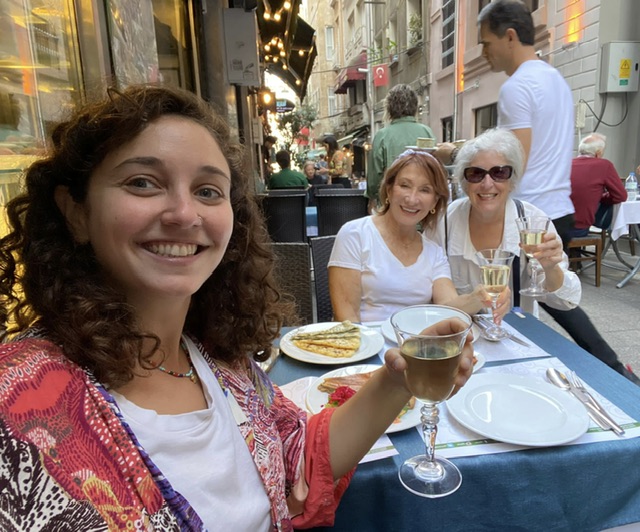
Thanks Nazli for showing us around. 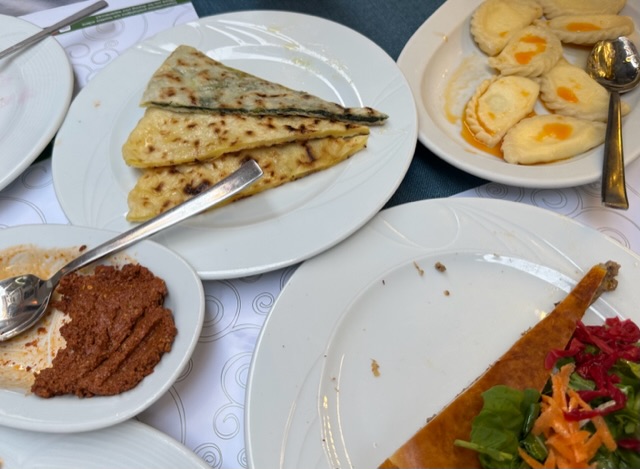
Lunch. As usual, we ate most before I remembered to take a picture. 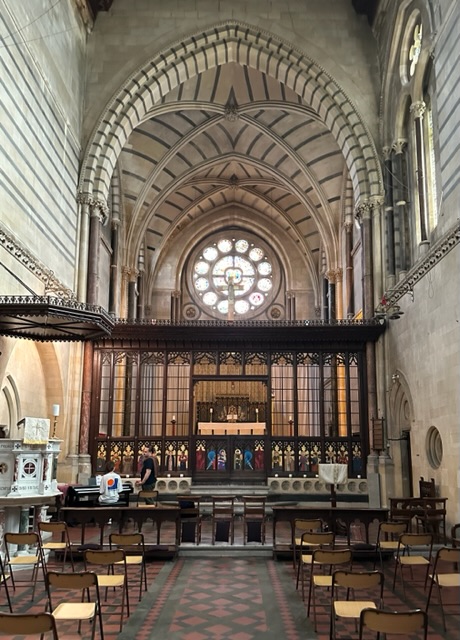
Crimean Orthodox Memorial Church. This church was built on land donated by Sultan Abdulmecid and was constructed between 1858 and 1868 in memory of British soldiers who had died in the Crimean War. Also known as Christ Church. 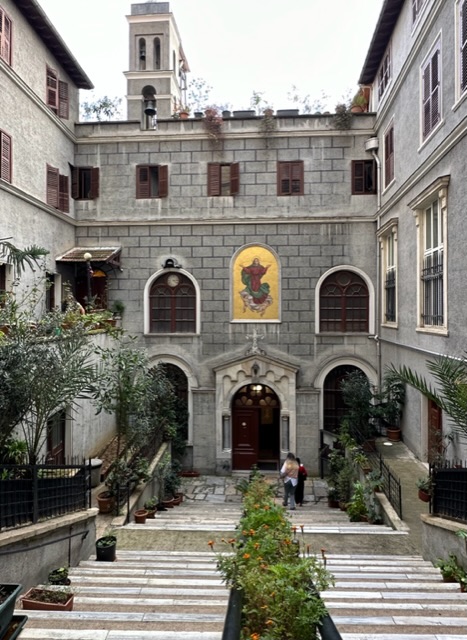
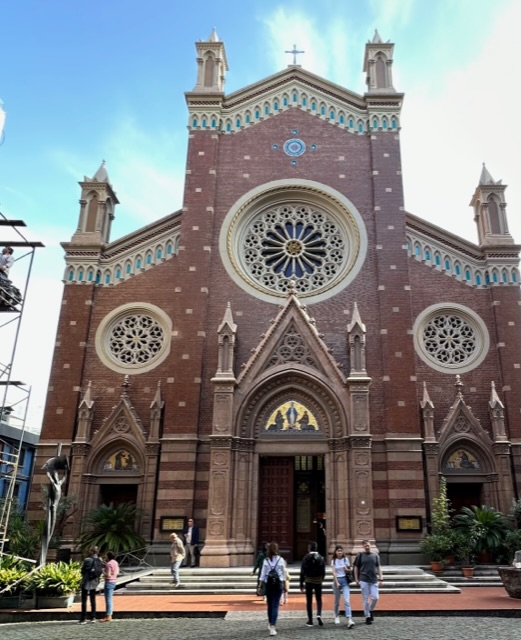
Catholic Church. The Church of St. Anthony of Padua, known as Sant’Antonio di Pandora Church, is the largest Catholic Church in Istanbul. It is located on Istiklal Avenue in the Beyoglu district. 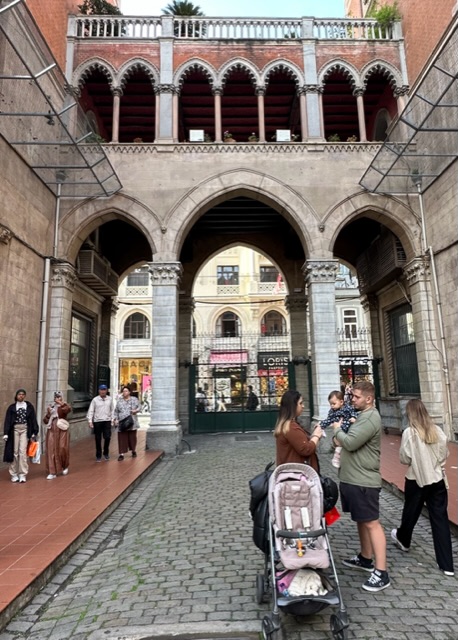
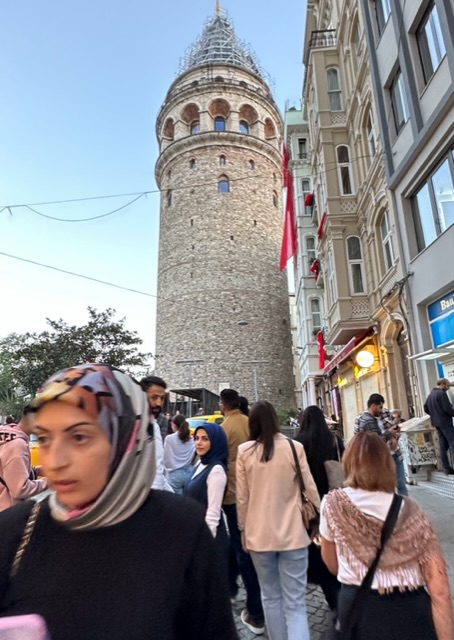
Galata Tower. Built as a watchtower at the highest point of the Walls of Galata, the towers is now a museum.
We didn’t go in.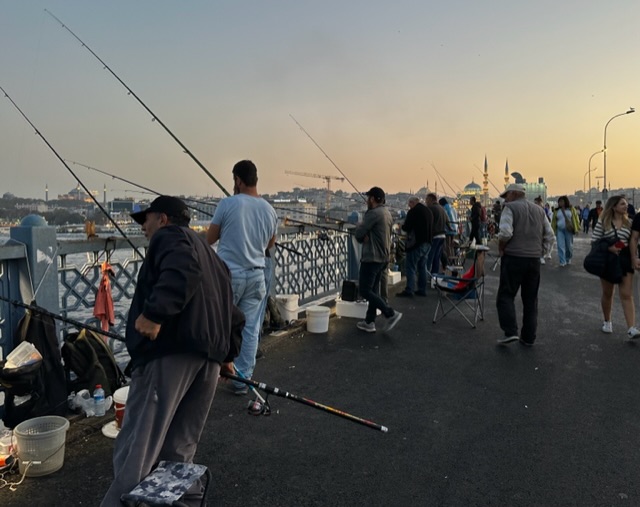
Galata Bridge. Fishing from the bridge. We had to walk across this bridge to get from our neighborhood, Sultanahmet
to Beyoglu. Not sure what they are catching.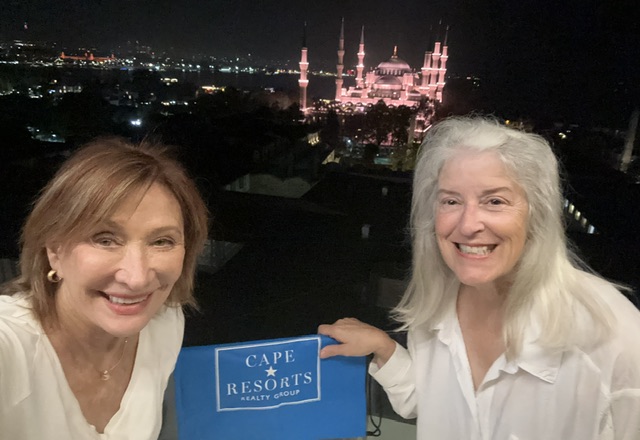
Cape Resort Realty Group hanging out by the Blue Mosque. -
Istanbul; I went to Asia today,
My walk this morning to board the boat—Bosphorus Strait. The Bosphorus strait connects the Black Sea to the Sea of Marmara. And forms part of the continental boundary between Asia and Europe.
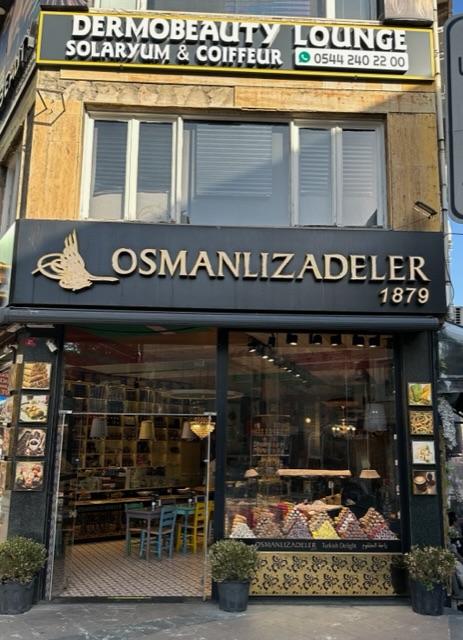
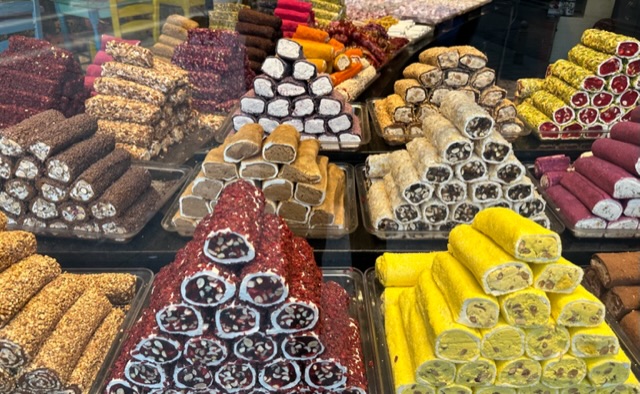
Turkish delights along my walk to board the boat. 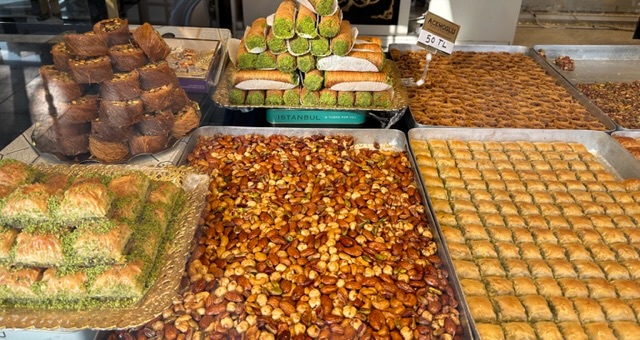
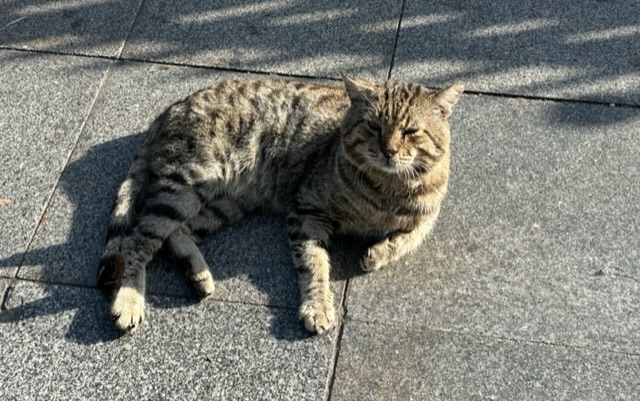
From dogs to cats. There are literally thousands of them. And again, like in Georgia, all the street cats and
dogs are tagged to let you know that they have been vaccinated and spayed/neutered.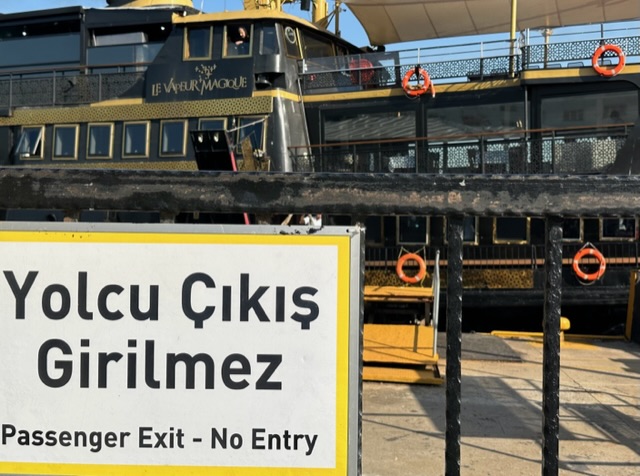
Boarding the boat. 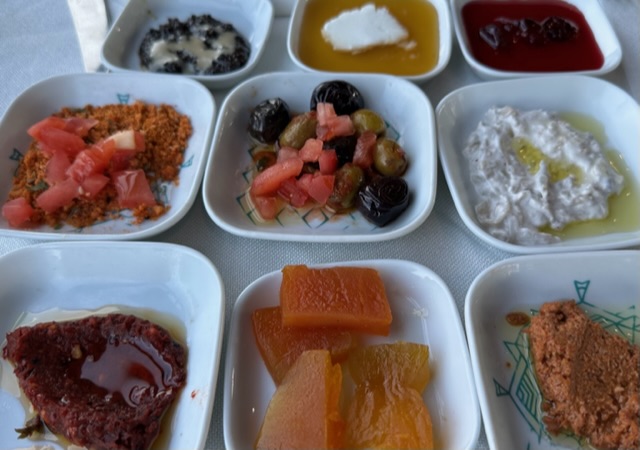
Trip included a Turkish breakfast. I took a picture of these spreadable delights—the best thing about kahvalti is that there are no rules. You can eat something savory, then dip into something sweet, then eat another savory thing, then have another taste of something sweet and so on. Breakfast included a lot! Simits, with a sweet and nutty flavor and a texture that is crunchy on the outside but chewy and fluffy on the inside, simits are tasty, almost like a sesame bagel but better. Menemen is their popular way to serve eggs at breakfast – this spicy dish consists of scrambled eggs, onions, red and green peppers and tomatoes. And there was a sausage thing. 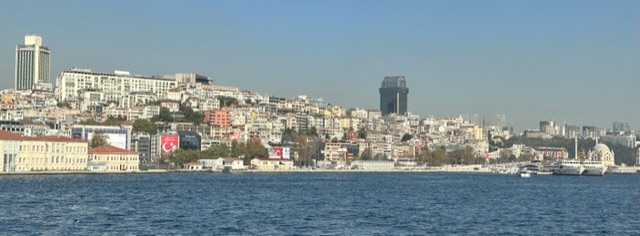
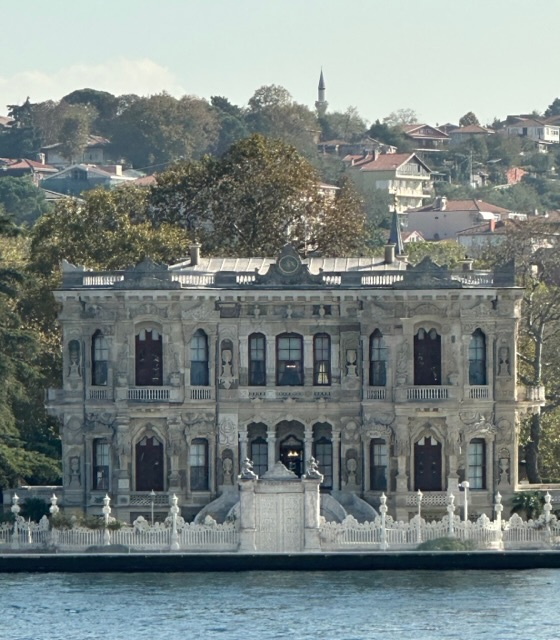
Sites along the way. 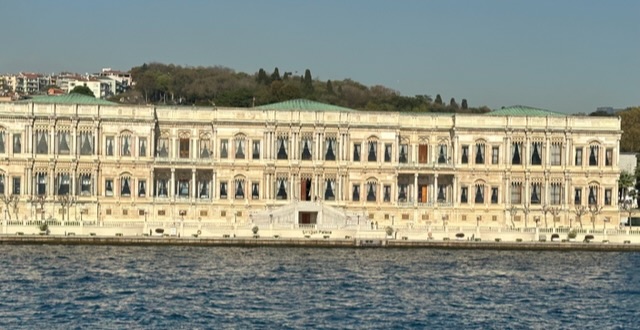
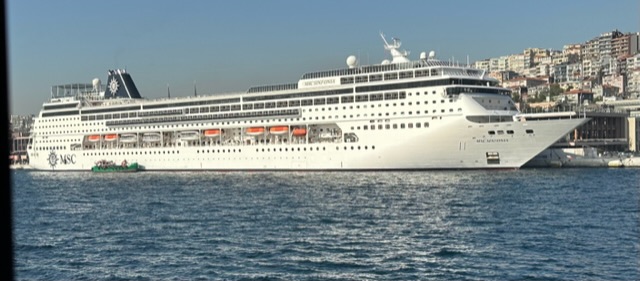
Eileen, I totally thought about you. There were a few cruise ships. 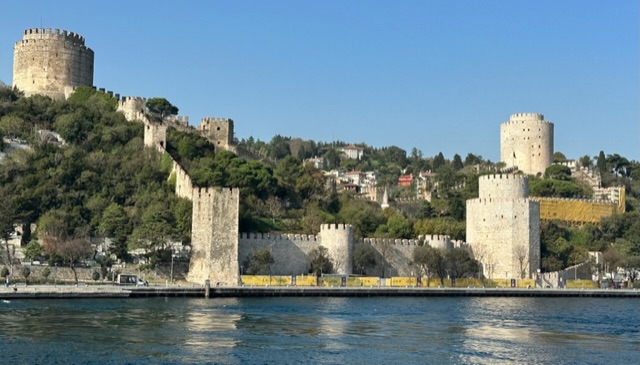
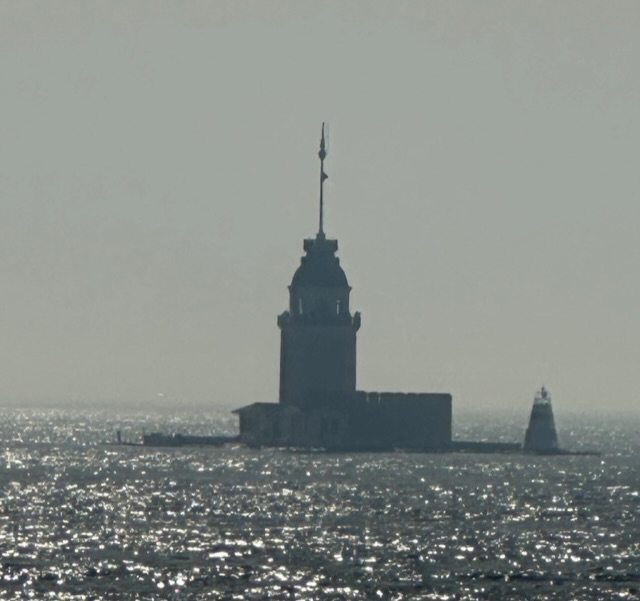
Maiden’s Tower. Byzantine period tower on a small islet at the southern entrance of the Bosphorus strait. 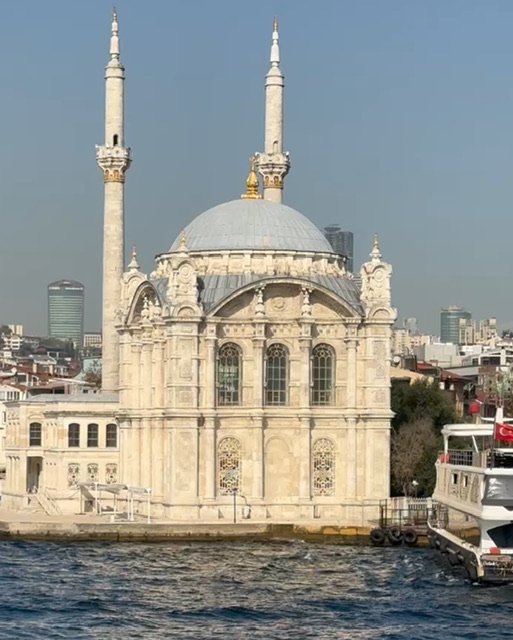
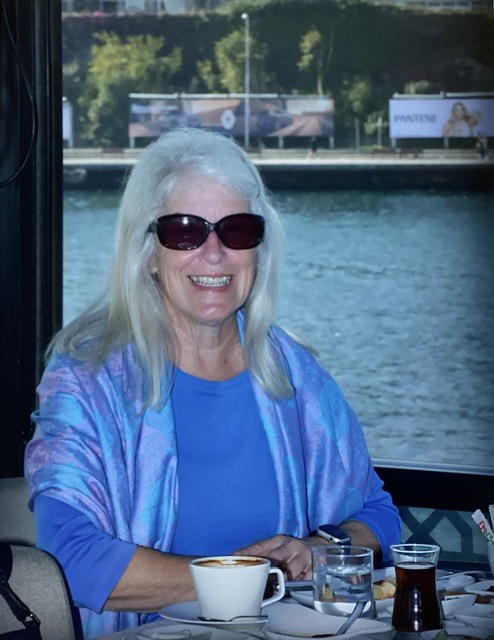
Table mate took this picture of me. It was a perfect day for a ferry ride. Ok, so the picture caught me . . . I don’t think they drink Turkish coffee at breakfast—they drink tea. I wanted/needed a latte. 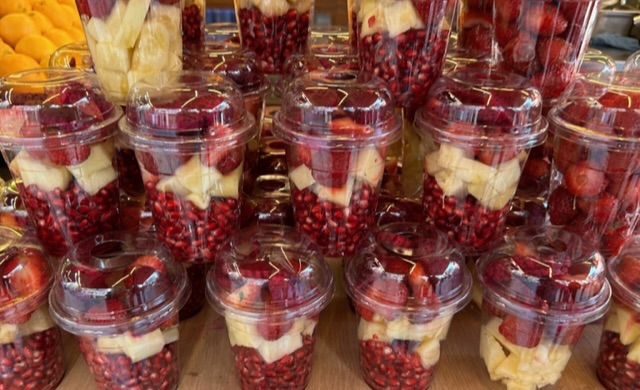
Bought one during my walk back to the hotel. Delicious! Pomegranate seeds, pineapples and strawberries. Waiting for Annemarie. Her plane is late. 😬
Tomorrow morning meet Annemarie and figure out how to get to the Sishane metro stop on Istiklal Street to meet Nazli, our Turkish connection. Walking tour with a local. : )
-
Istanbul. Who knew you needed a visa?
Yikes. I get to the airport at 4AM. Easy. Whisk through security; get to passport control and the agent asks me where my visa is? Whatttaa! I had no idea that I needed a visa. Good thing it is a fast and easy online solution. He lets me through and says I can secure the visa in Istanbul. I, of course, panic. But I was early, so I go straight to the gate. I still have plenty of time and start googling Turkish visa(s). EASY. A 15 minute online form, wait five minutes for approval, once approved—submit payment and voila (or whatever the Turkish word for voila is) another five minutes later and the visa is in my email inbox! I’m thinking this is my lucky day.
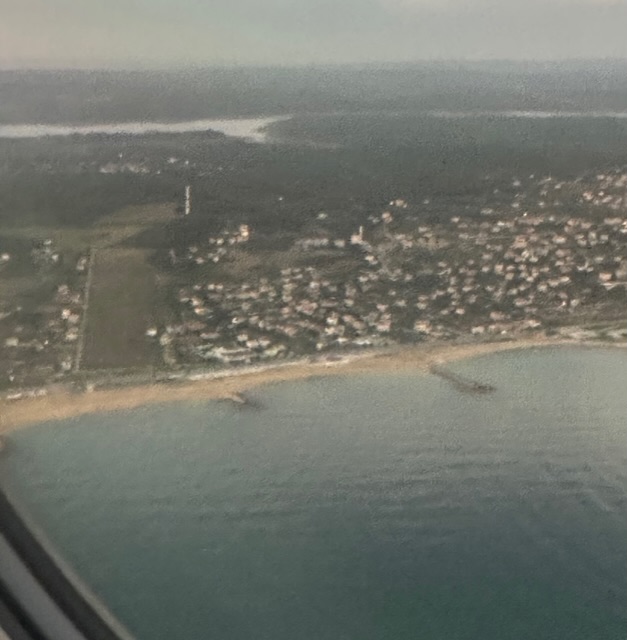
Good morning Istanbul. From the plane. 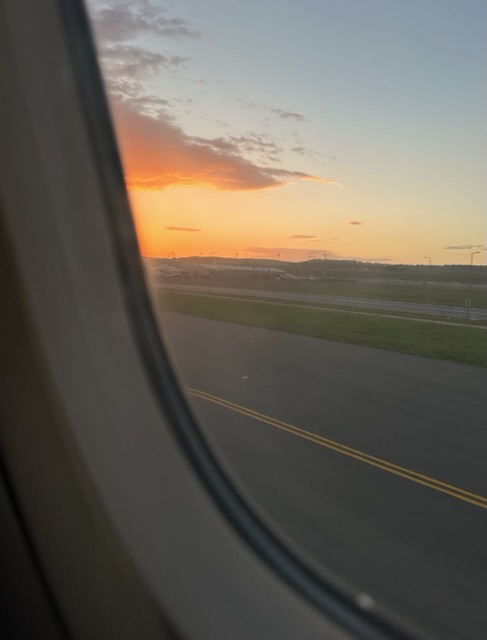
Touchdown at 7:40AM. It is only a two hour flight from Tbilisi. The sun is rising, another perfect weather day. 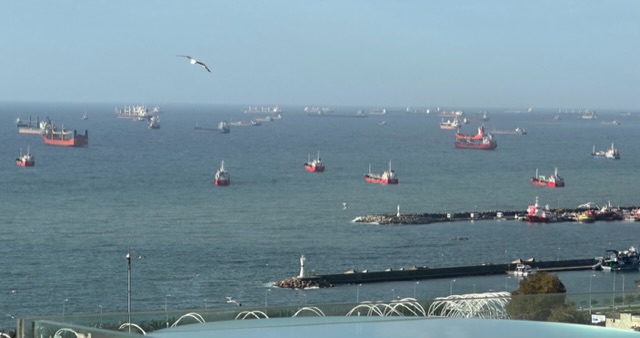
From the rooftop restaurant at the hotel. Hotel Arcadia Blue – Sultanahmet, Istanbul, Turkey. 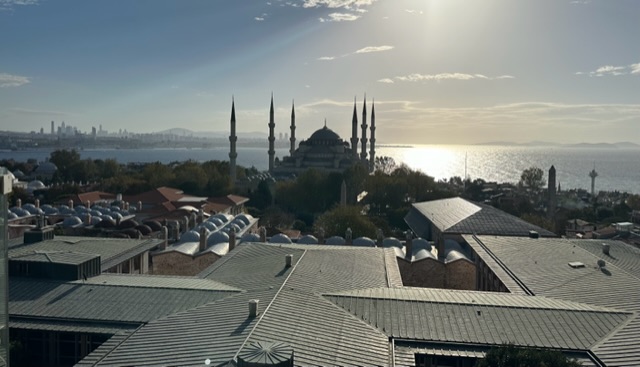
Blue Mosque. The Blue Mosque, through its architecture, interior design, and ceremonial activity, has cemented its place as the cultural icon of the Ottoman Empire, demonstrating for 400 years, just how powerful the Ottomans were. 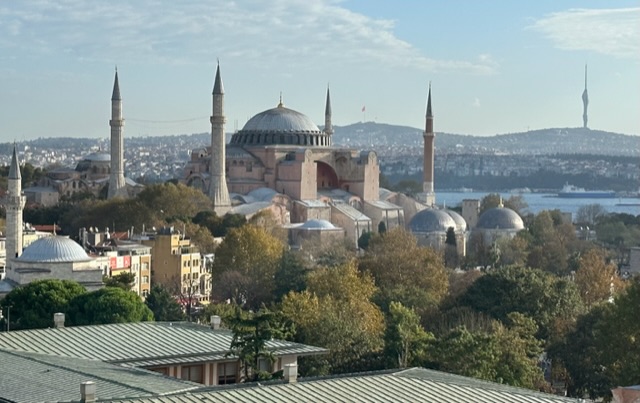
Hagia Sophia. 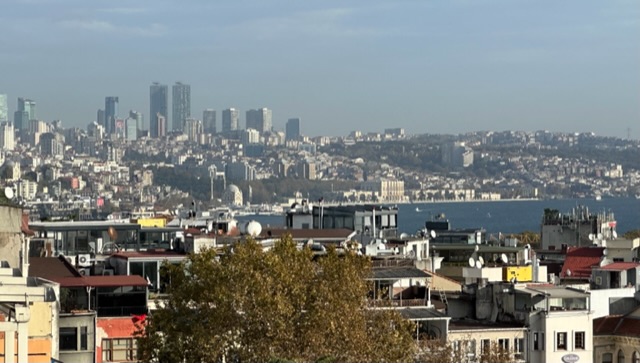
City view. All while I am enjoying tea. A quick walk around. I am close to a lot!
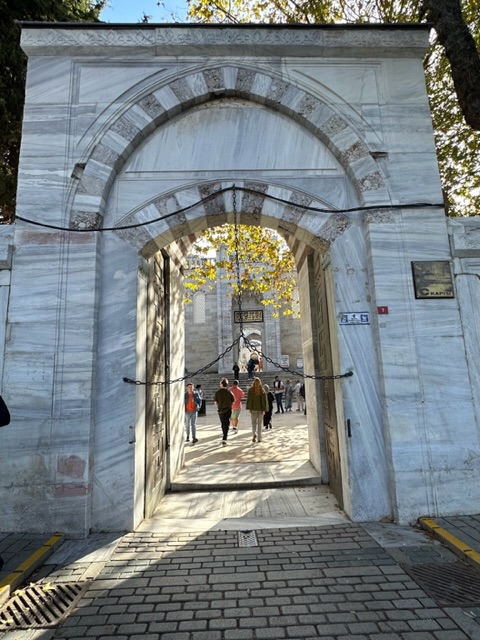
Entrance to Blue Mosque. They say the chains are there to force you to bow. It is also called the Sultan Ahmet cami, (cami is Turkish for mosque). 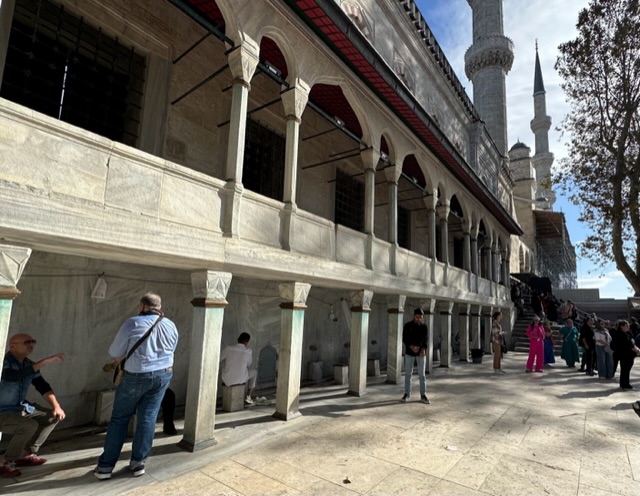
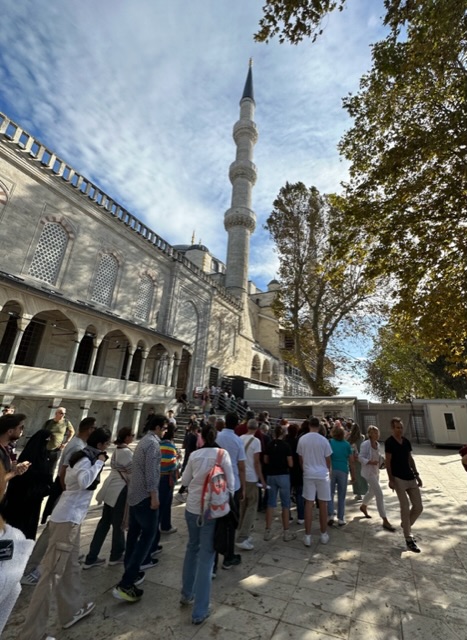
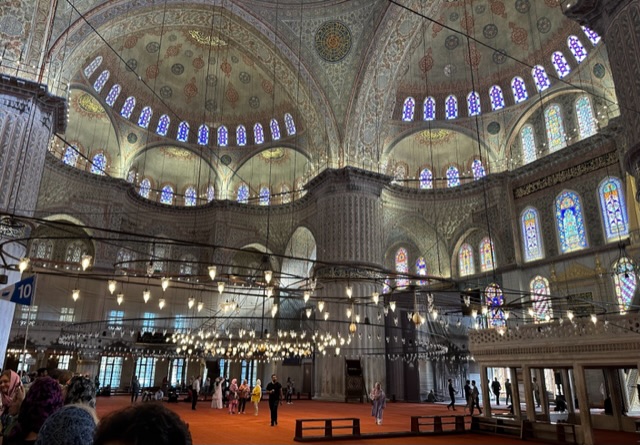
It was worth it to see the red carpet and old chandeliers. The tiles and stain glass are almost all blue. Stunning. 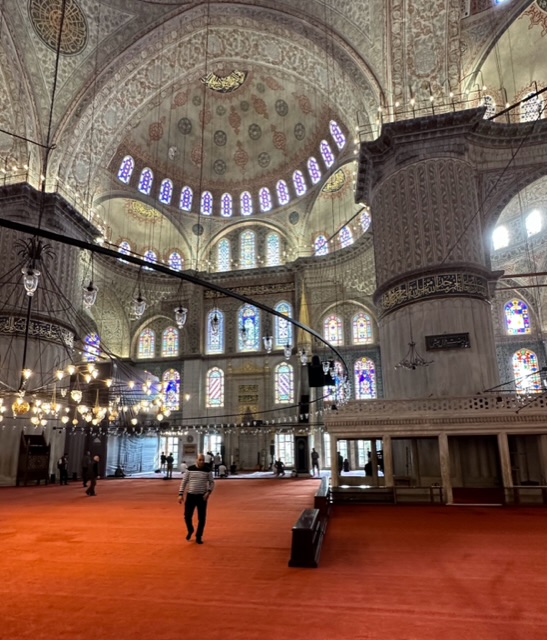
It is beautiful and it’s almost prayer time. The mosque is open every day of the year but closed at prayer times for 90 minutes each day. And this is when you need a real camera. 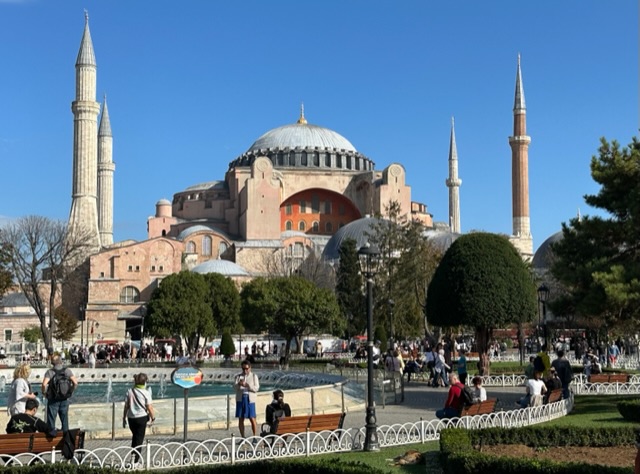
In Sultan Ahmet Square facing Hagia Sophia Mosque. It has been around for over 1600 years. I didn’t go in today
it was prayer time.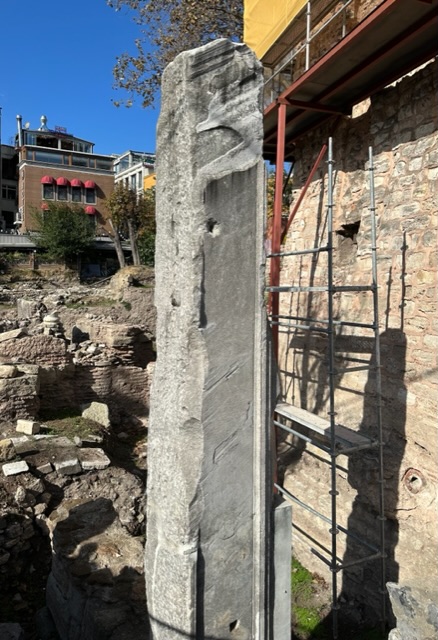
The Stone of Milion is all that remains of the 4th-century triumphal gate that served as the Byzantine zero-mile marker. Something about time reckoning throughout the world . . . so, what happened to Greenwich Mean Time? I need to find out more here. 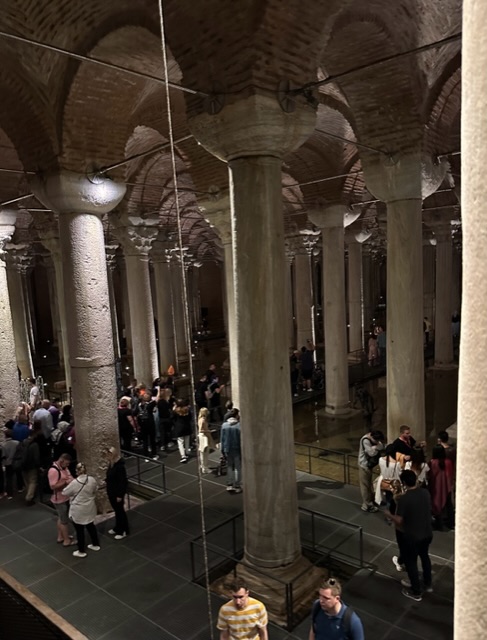
The Basilica Cistern. A quick walk through, it wasn’t crowded. The 1500 year old Basilica Cistern was primarily used as a water source throughout its history – today it attracts millions of visitors. 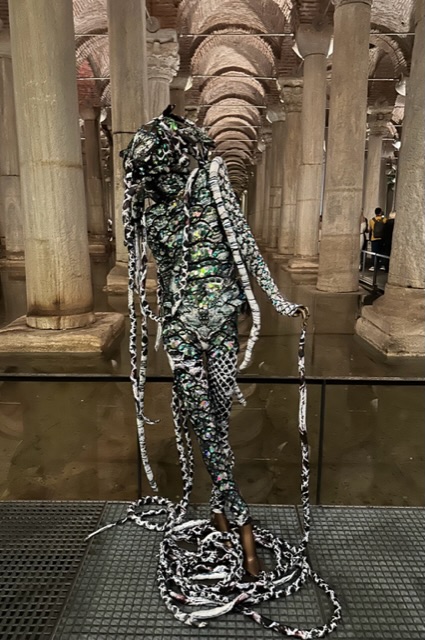
The basilica is the largest of several hundred ancient cisterns that lie beneath the city. It is recently reopened from major renovations. 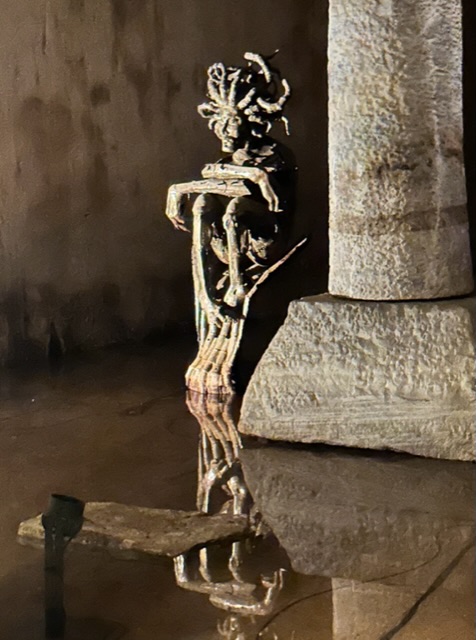
Medusa. Why might you ask? Statues featuring Gorgon heads were used to protect sacred areas from evil. It is thought that the snake headed Medusa statues were placed in the cistern for this purpose. 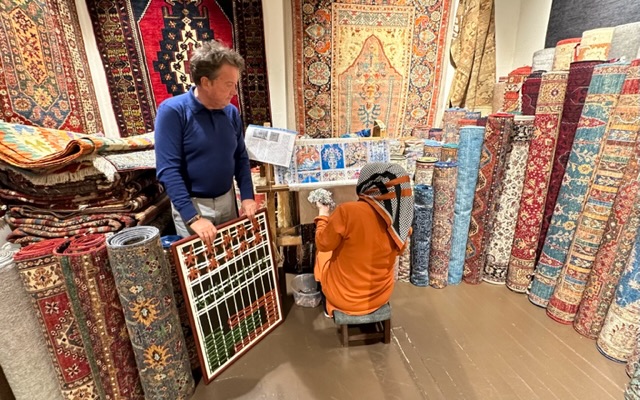
Oriental rug demonstration. They were beautiful—wool, cotton and silk. An artist at her craft. 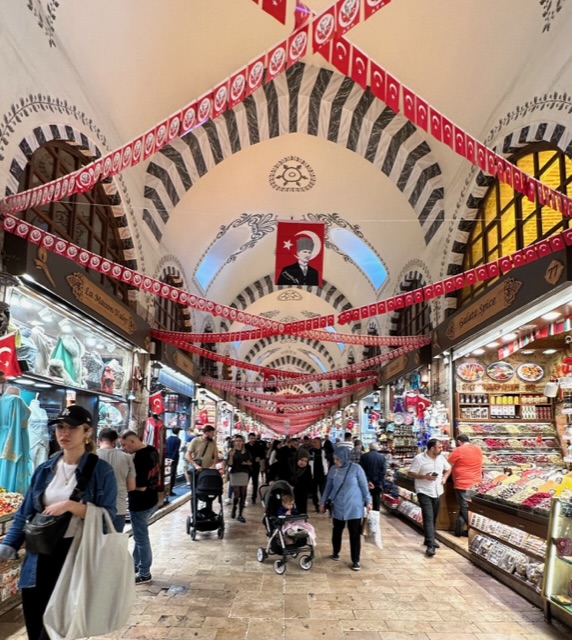
Spice Market. Built in 1664, it is so colorful! Offering spices, Turkish delights, caviar, dried nuts and so much more. Incredible smells of dried fruits, nuts and spices. I bought some tea, spices and goodies for Mike. 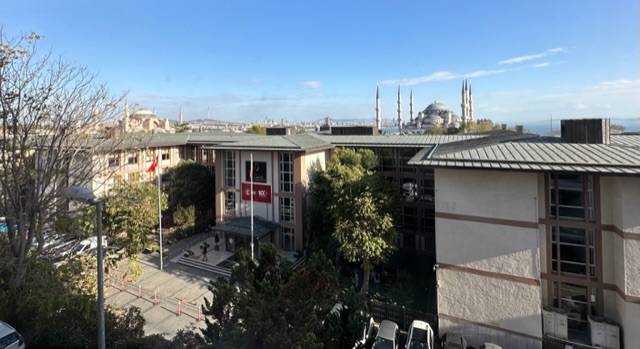
From my room. I can’t wait to see this at night. 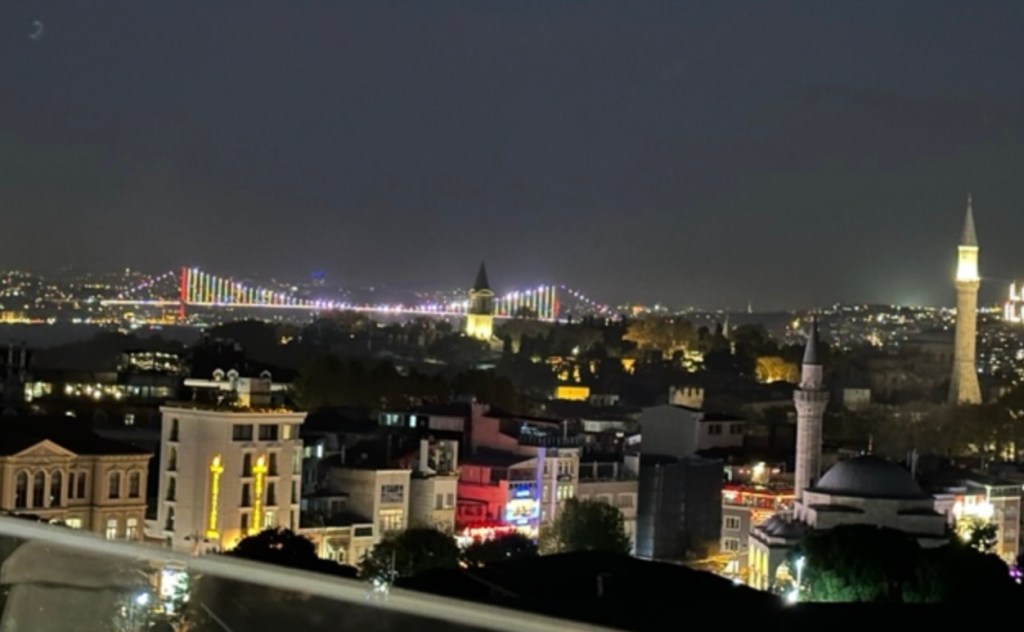
From the rooftop restaurant – my room has about the same view, but too much glare from the windows for pictures. 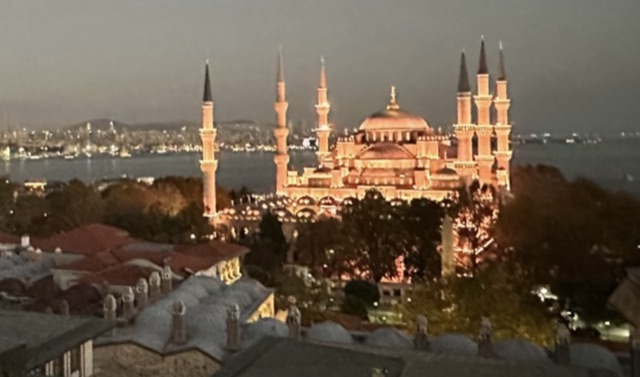
Tomorrow, Bosphorus cruise with Turkish breakfast, early through midday. Meeting Annemarie tomorrow early evening.
-
Saturday in Tbilisi with Mike and Kyla,
Ok, just this quick post. Sunday, say goodbye to Mike and pack. Monday, Istanbul.
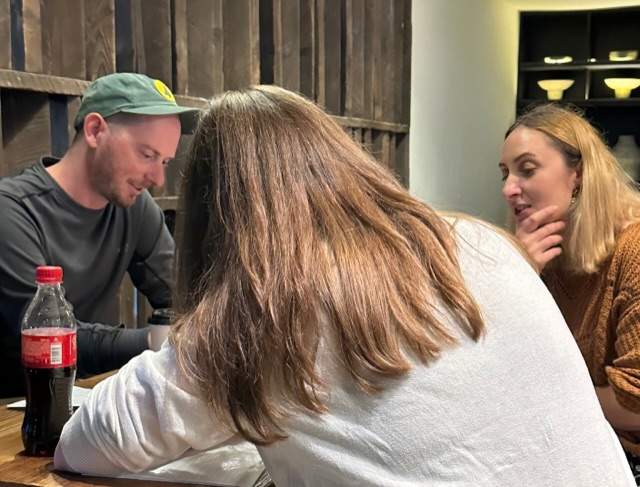
Mike at language class. Orbeliani Bazaar. 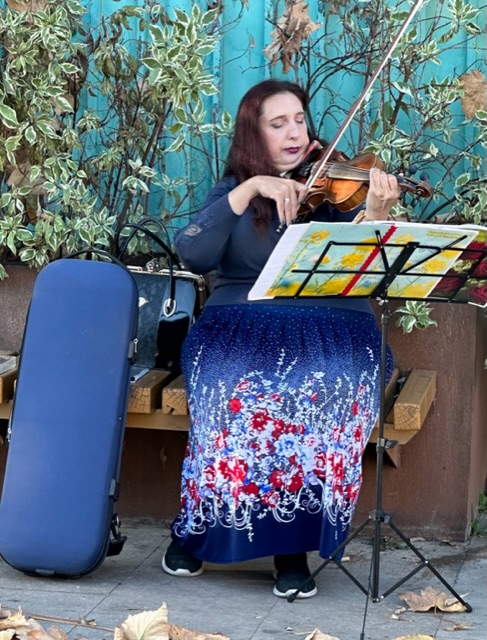
Street musician. On our way to dinner. 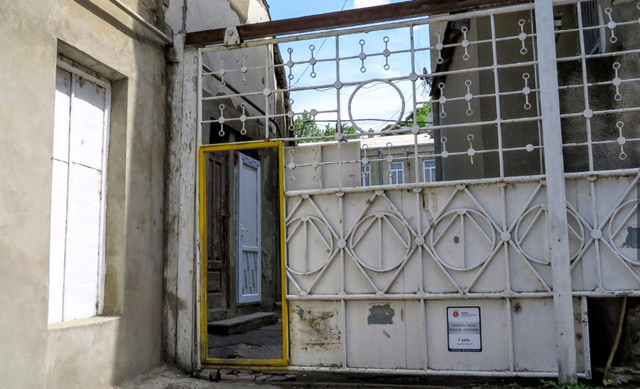
Dinner with Mike and Kyla at Sofia Melnikova’s Fantastic Douqan. 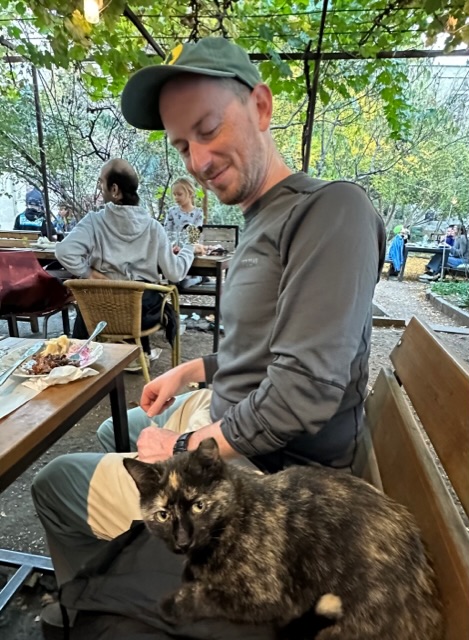
Dogs to cats. Our extra dinner companions. 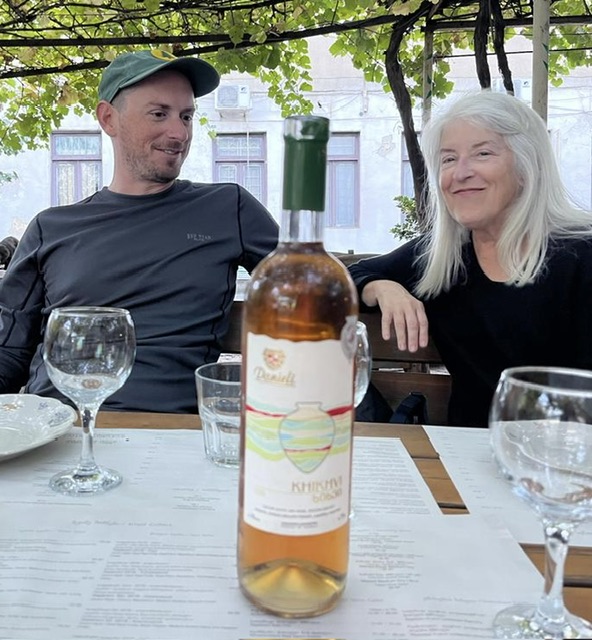
Mike and I are getting ready to enjoy dinner. 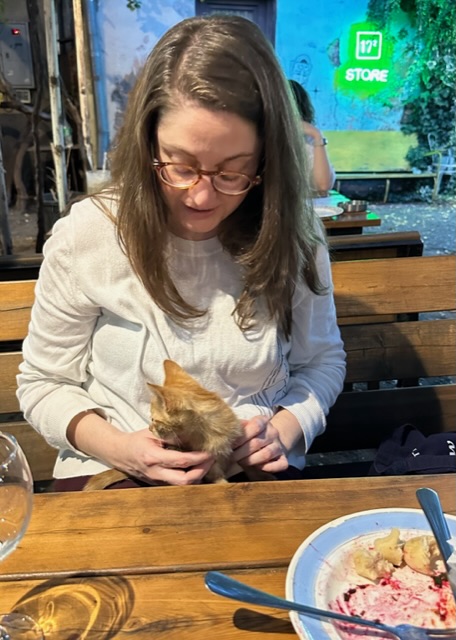
Kyla with kitten. Daniel, Kyla’s boyfriend, is stateside for a few weeks. 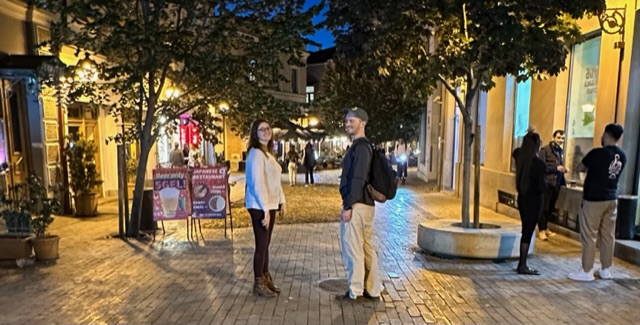
Our walk to wine bar to play cards. I think the name of the wine bar was Wine Merchants. 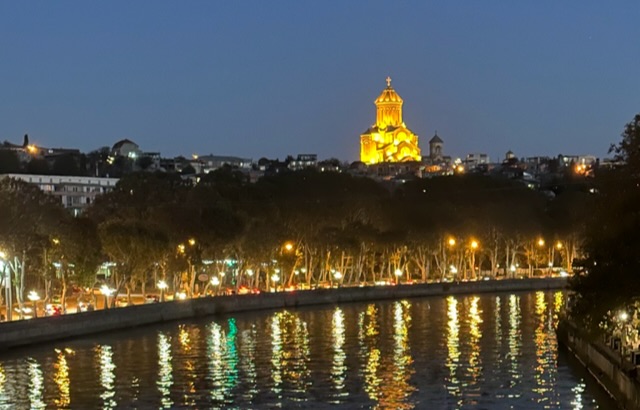
Holy Trinity Cathedral. Commonly known as Sameba (Georgian for Trinity). It’s new even though it looks old. 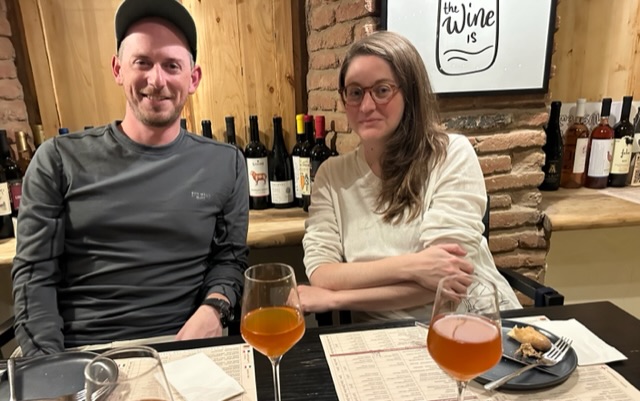
We played Rummy 500. 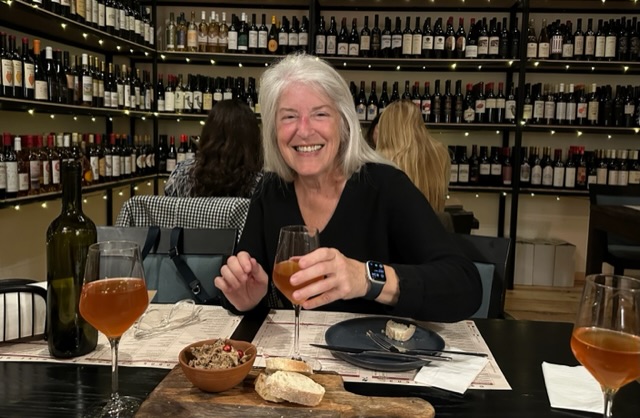
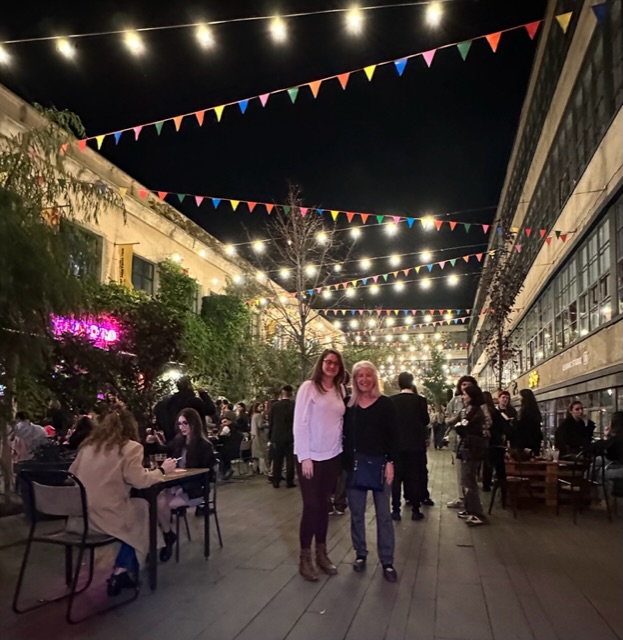
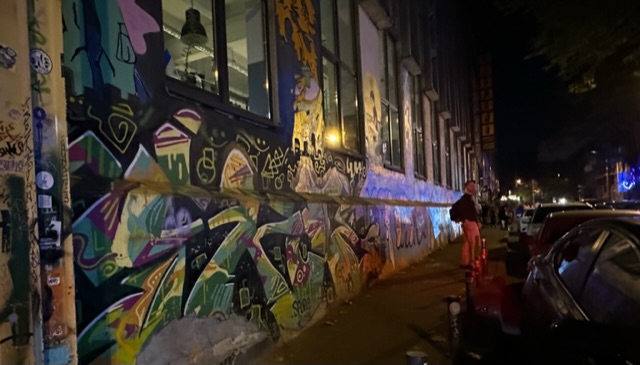
Our walk to Fabrika after playing cards. 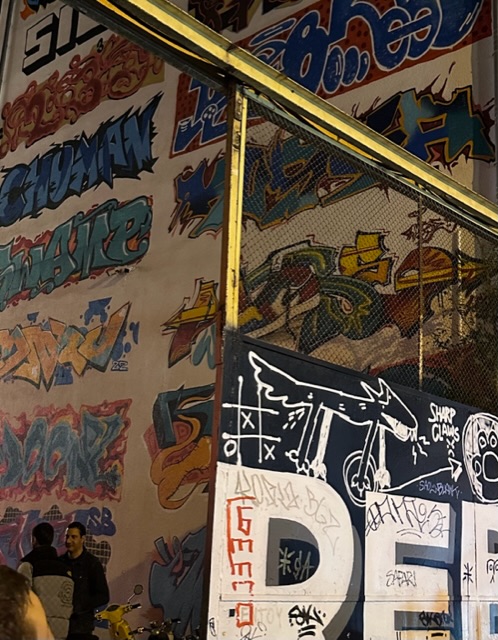
Once an abandoned soviet sewing factory. Fabrika is where they say the creative pulse of the city can be traced and felt in so many details. Located in the old historical district of Tbilisi. 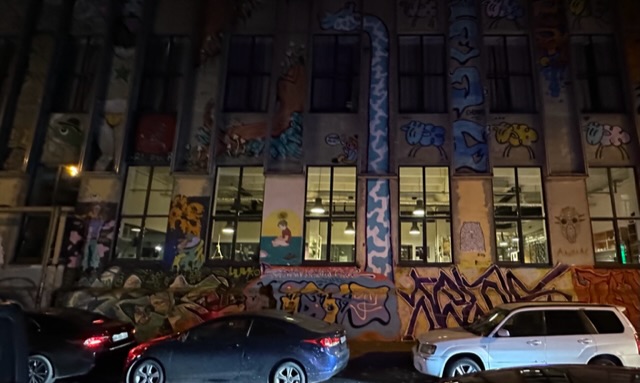
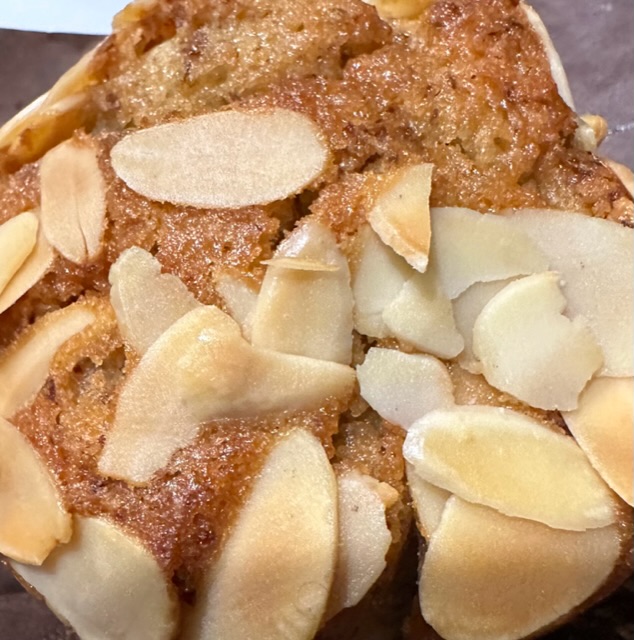
Late night dessert – almond, honey muffin. And a piece of chocolate—sorry, ate before picture. PS Neither Georgia or Turkey change their clocks. So, I think now Georgia is nine hours ahead of you and Turkey will be eight. Brussel, six hours; Edinburgh, five.
-
Tbilisi for a few more days,
then off to Istanbul. I won’t be posting until Istanbul. I’m trying to get a few things done for my move. 😬
I’m making my Tbilisi list and checking it twice. ✔️ ✔️ (really, for me)
- Old Town
- Khnkali and khachapuri cooking class
- Cable car and Turtle Lake
- The Bridge of Peace
- Shota Rustaveli Avenue
- Rezo Gabriadze Marionette Theatre and clock tower, still want to see a performance though – Ramona when I am back.
- Sighnaghi in wine region
- Enjoy delicious Georgian foods
What I still need to do when I get back from Istanbul.
- Enjoy more time with Mike!
- Chronicles of Georgia
- Mtatsminda Park
- Narikale fortress, Karelia Deda and funicular
- Enjoy more delicious Georgian foods!
- See Georgian Folk Dancers
- Ramona (November 12) at the Rezo Marionette Theatre
- National Museum
- Mountain region
-
Welcome November,
A few pictures from my leisurely yesterday and today. You are in luck. An easy two days for both of us.
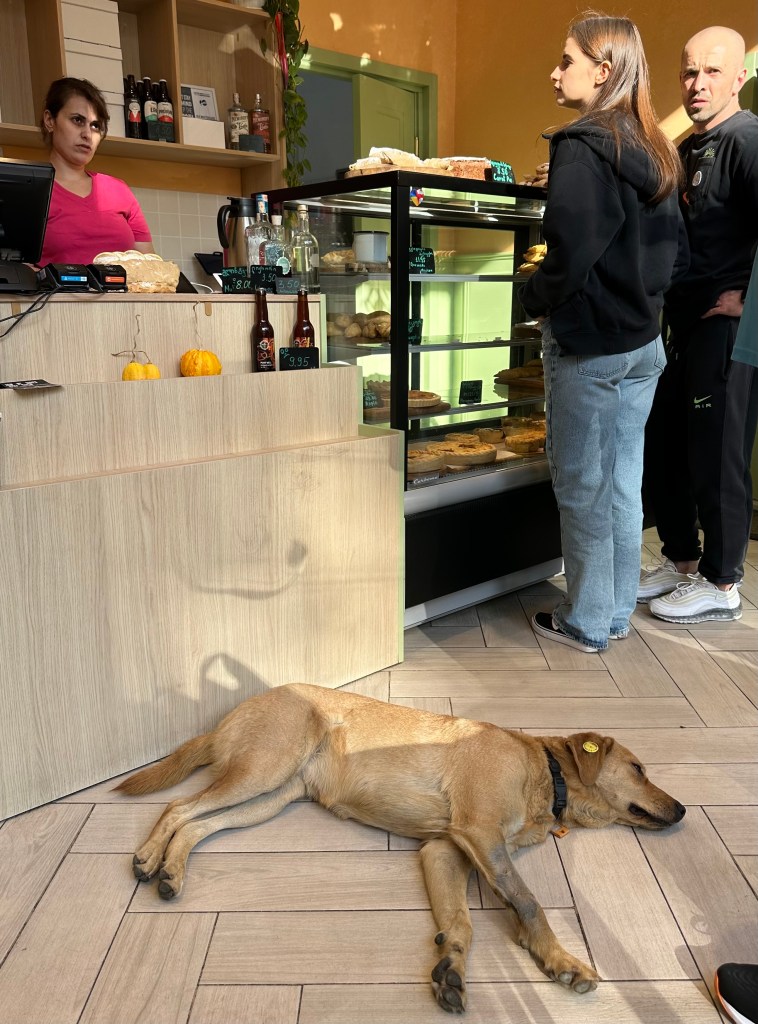
One of the wild dogs joined us for coffee this morning. And the people are friendlier than they look in this picture. 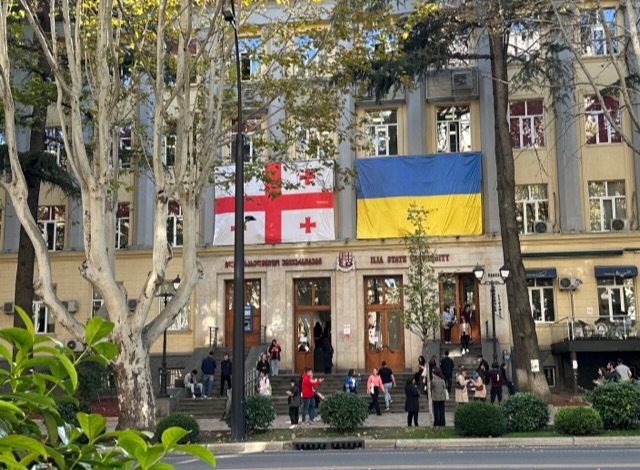
Tbilisi students stand with Ukraine. 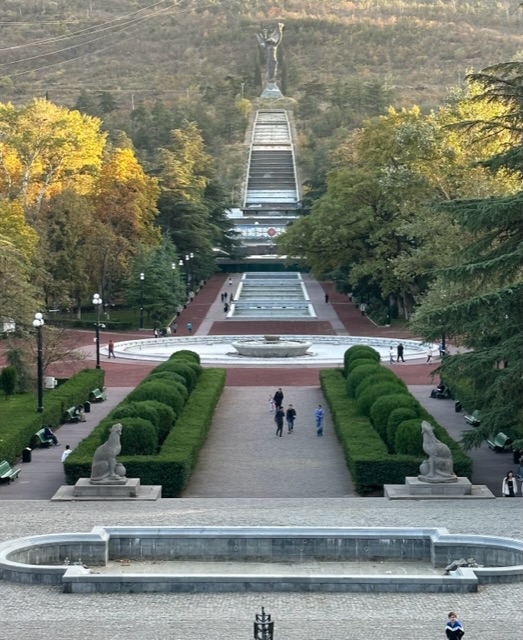
My entrance to the Vake Park. The special charm of Vake Park is added by red sand, which is used to cover the roads. 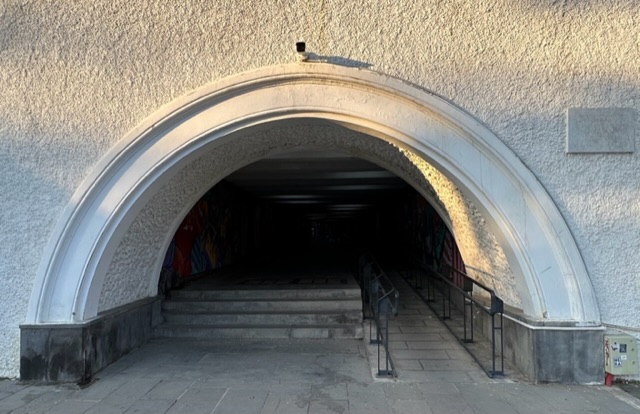
Under street passage. Much better than dodging traffic or waiting for the very long traffic lights. 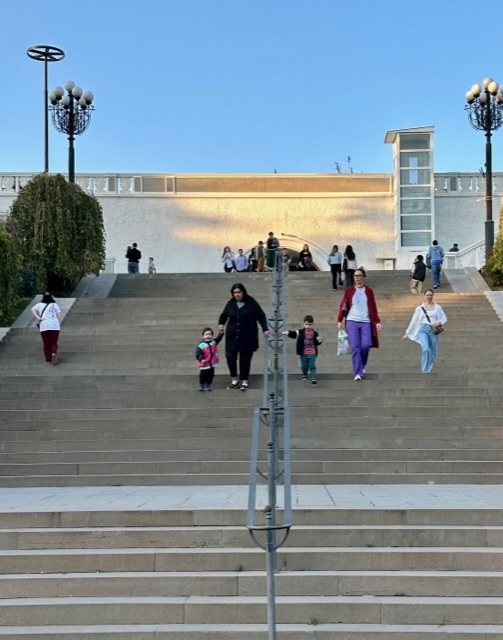
Lots of steps from my entrance. 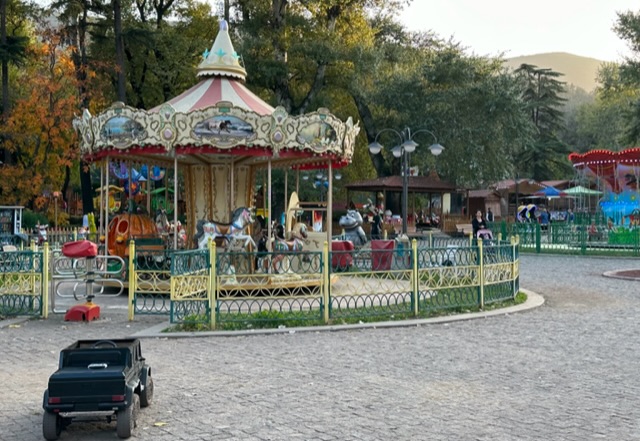
Children’s playground in the park. Vake Park has a children’s town, open-air cinema, cafes and restaurants. 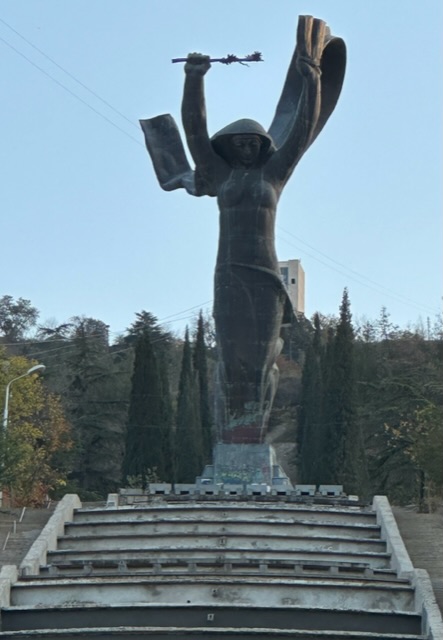
What makes this park special is that each year, I am told, actual WWII veterans gather to celebrate Victory Day on May 9. It is indeed a rare experience to meet them and hear all about their heroic stories. Uphill a statue of victory gazes down on you, which is a mesmerizing sight. It is peculiar, but the statue depicts a woman celebrating the end of the war, which they think underlines the role of Georgian women in national history. 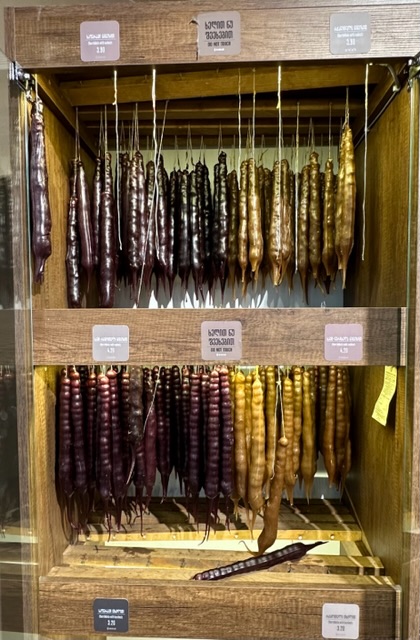
Churchkhela is a candle-shaped candy.
The main ingredients of churchkhela are grapes—a must, nuts and flour. Almonds, walnuts, hazelnuts and chocolate and sometimes raisins are threaded onto a string, dipped in thickened grape juice and dried in the shape of a sausage. Made in eastern Georgia. YUM!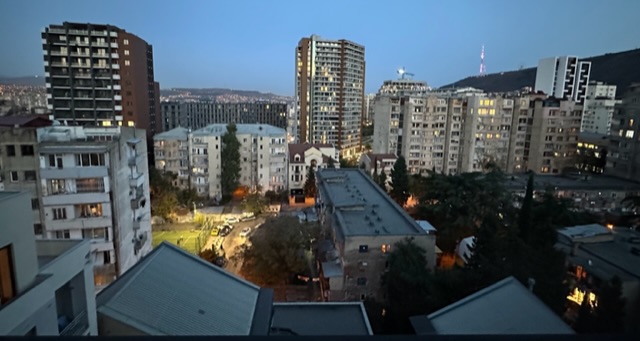
Twilight from my balcony. 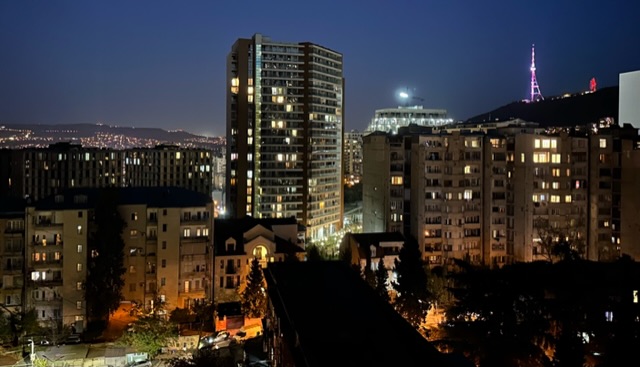
Dusk this evening from my balcony. Wednesday, November 1.
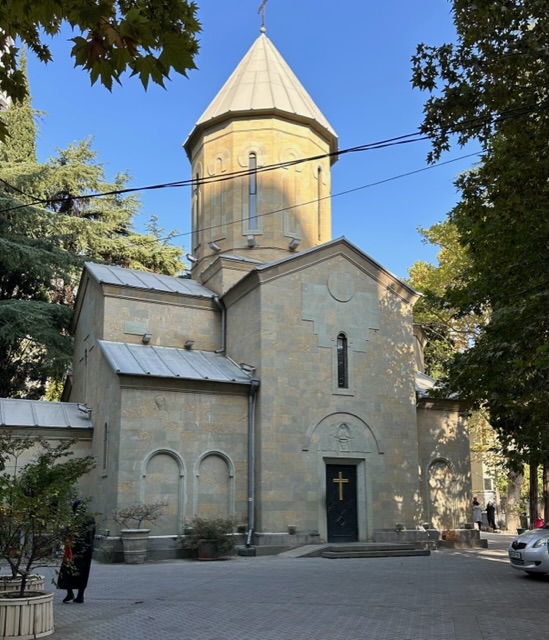
Orthodox Church near my apartment. Many make the sign of the cross even when they just walk by. And I think I have noticed that they make the sign of the cross from forehead to sternum then first to the right shoulder (not the left, like us) and then to the left shoulder. I’m going to try to notice this more. Stay tuned. 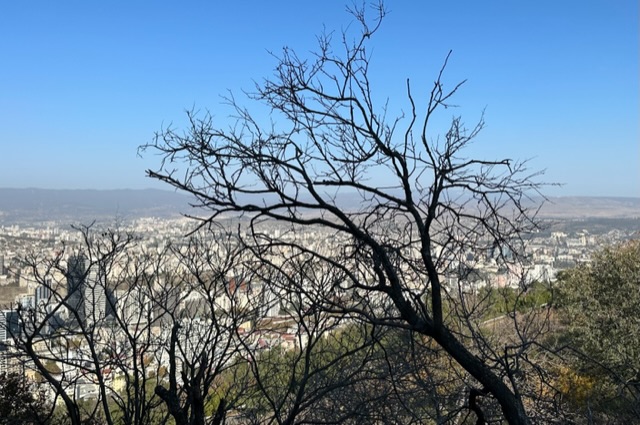
Turtle Lake and cable car to get there. I did this all by myself today. 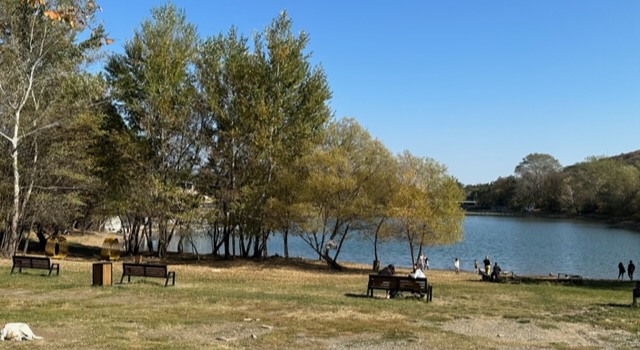
People just hanging out and enjoying this beautiful day. I walked the loop. 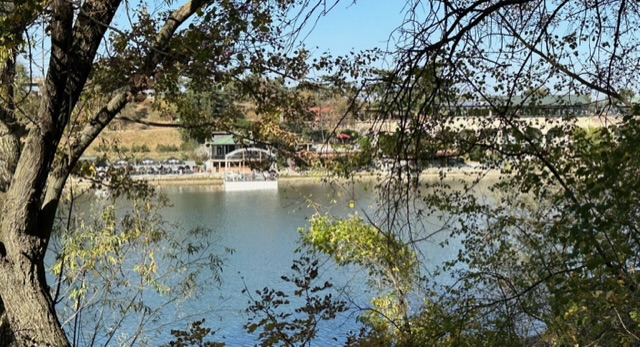
Restaurants. Taken from the other side of Turtle Lake. 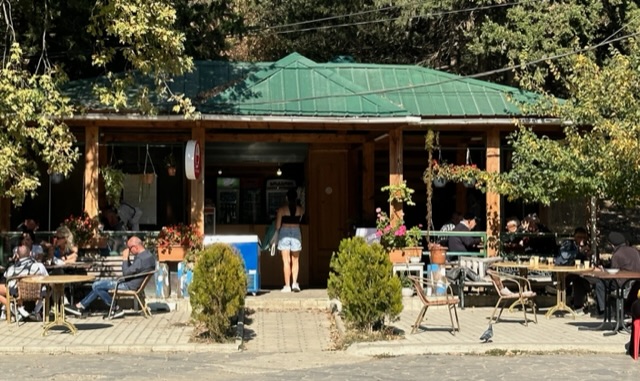
Another Turtle Lake restaurant. PS Chacha is a Georgian pomace brandy, clear and strong! Ranging between 40% alcohol for commercial production to 65% for home brews. It is made of grape pomace, the grape residue left after making wine. If aged for at least five or six months and often infused with tarragon, peach or apple (to name a few) they call it brandy. No aging = chacha—clear and strong. I can’t remember if I mentioned this before. I can’t drink, too strong. Like our moonshine I guess.
-
Beautiful Kakheti wine region.
A couple of wineries for Mike and me today.
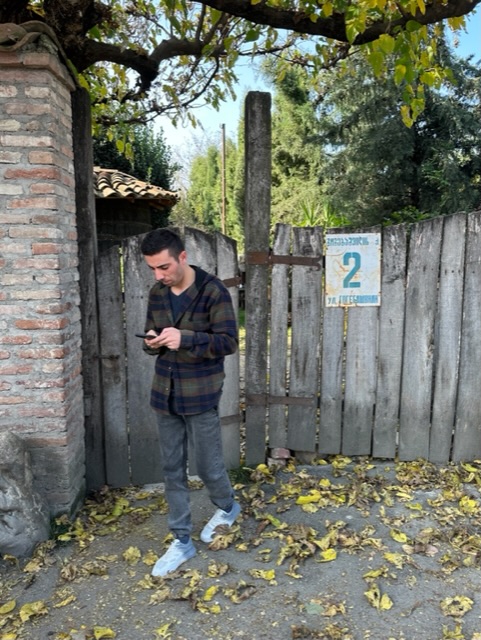
Our first winery. A small, family run winery. Nikolai, affectionately called Coco, was our driver and de facto guide for the day. 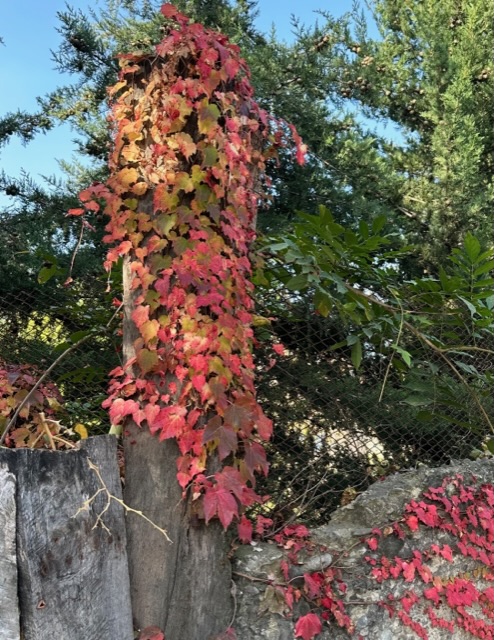
The landscape is beautiful this time of year. It is autumn in the Kakheti region too. 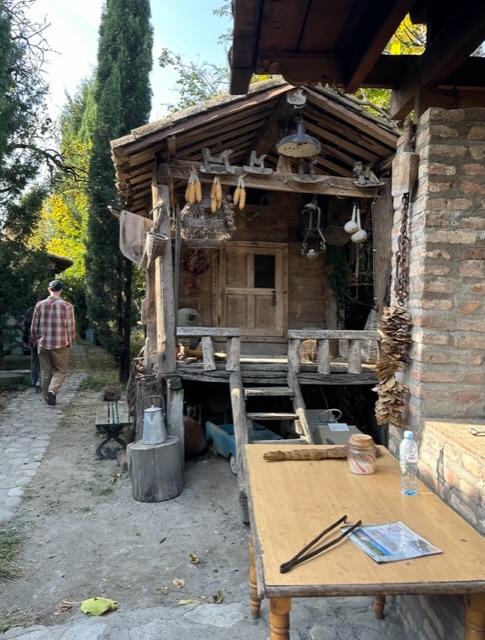
Mike strolling around the property. 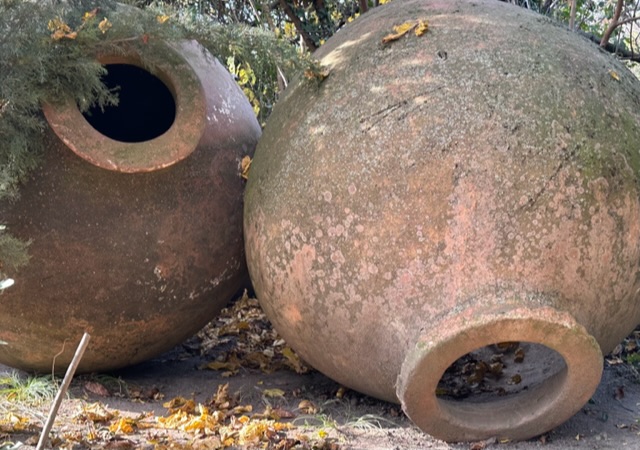
Qvevri. 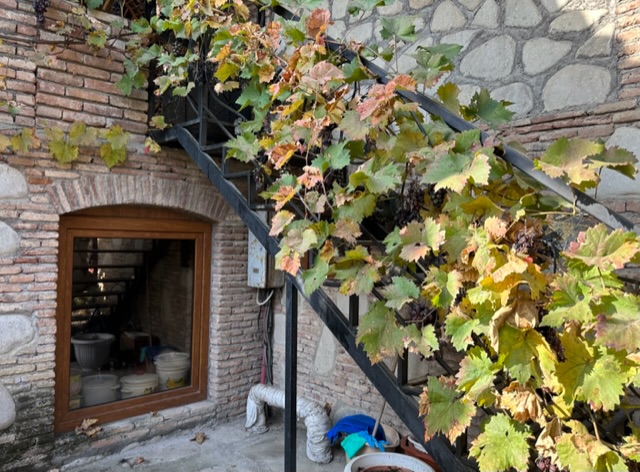
The harvest is complete. These grapes are for the birds.
Here we were introduced to the ancient Georgian wine making process.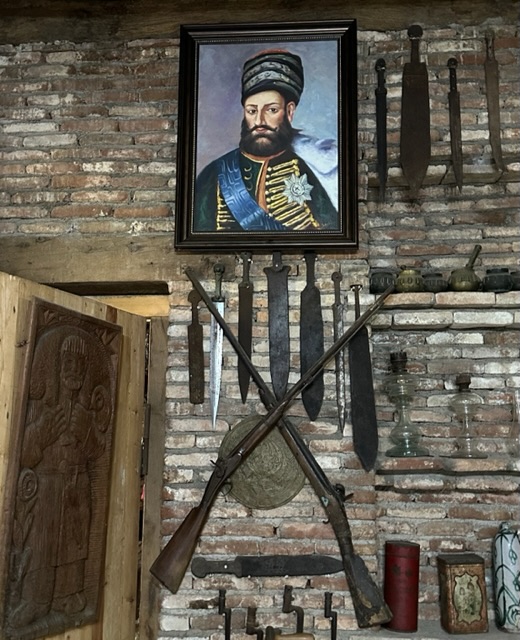
The people of Kakheti love Erekle II.
Heraclius (Erekle) II, King of Kartli and Kakheti, was born in 1720, in Telavi. During his reign he achieved many victories and became a legend. He first participated in a battle at the age of 15, and appeared to be a great warrior despite of being not tall or too athletic, which is why the people lovingly referred to him as “The Little Kakhetian”.
In Georgia, thrown into chaos by conquest, there had not been a Christian king on the throne of Kartli since 1632, about a century before, when, on the first day of October in 1745, Erekle’s father, Teimuraz II, was crowned King of Kartli in Svetitskhoveli. Erekle II was proclaimed King of Kakheti. And the love affair began.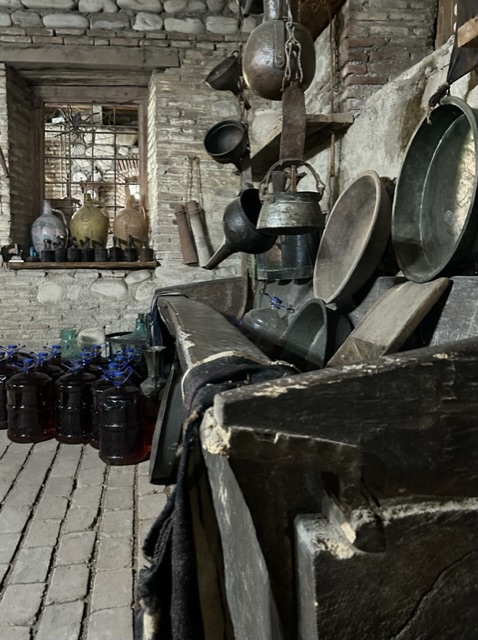
Many traditional winemaking tools are still in use today here in Georgia. Wooden pitchforks, gourds, slabs of cherry bark and other tools are still in use when it comes to winemaking using qvevris. Check out this antique grape press. 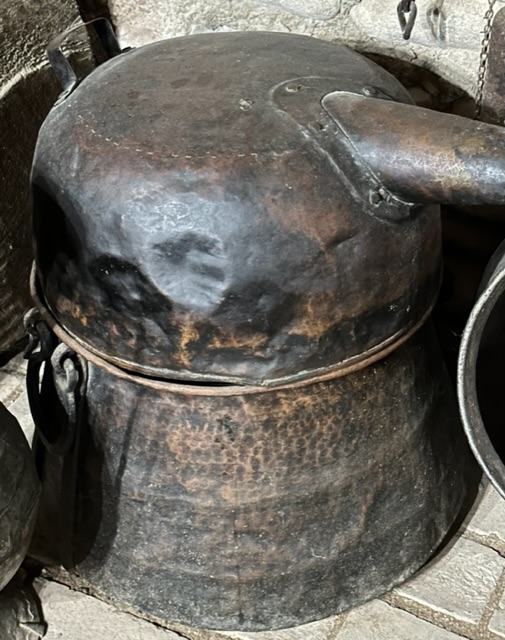
Chacha pot. 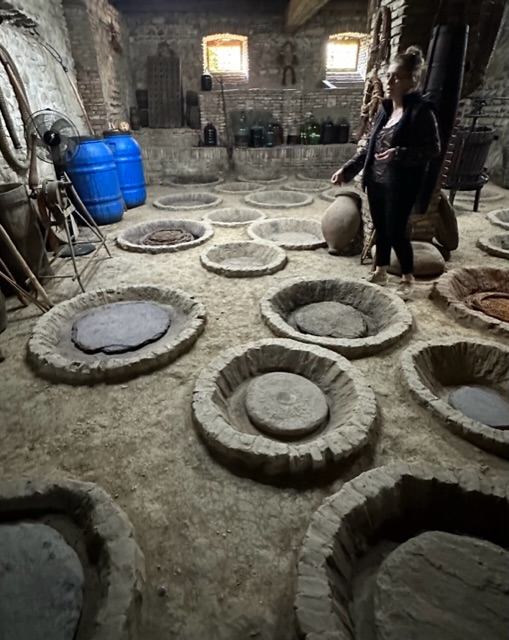
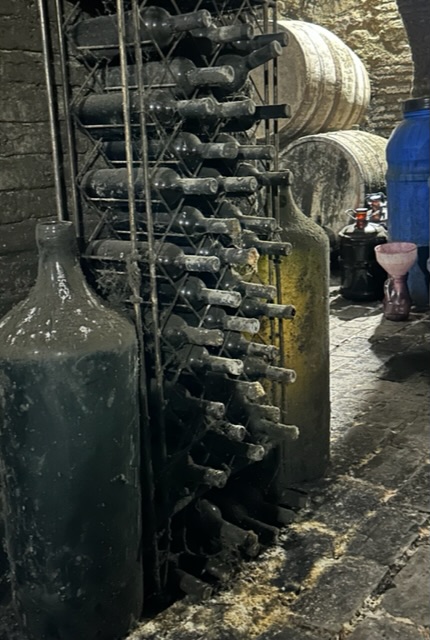
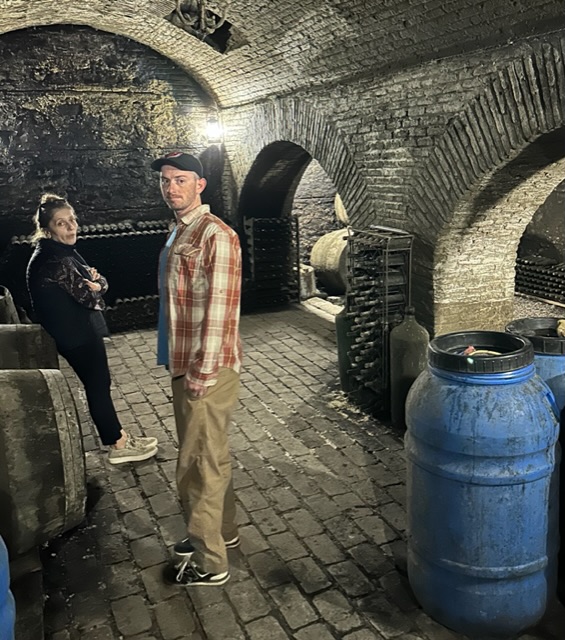
Qvevri room. The ones with wicker tops are in the fermentation process and need to be stirred every few days. 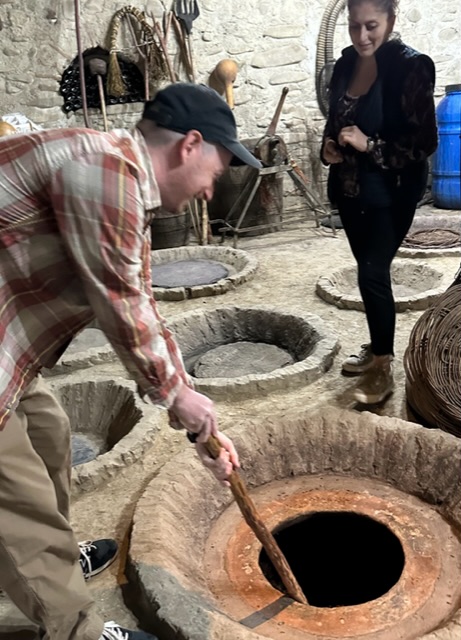
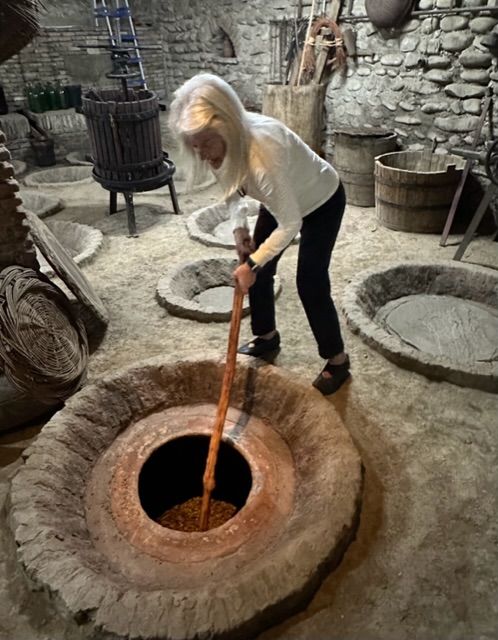
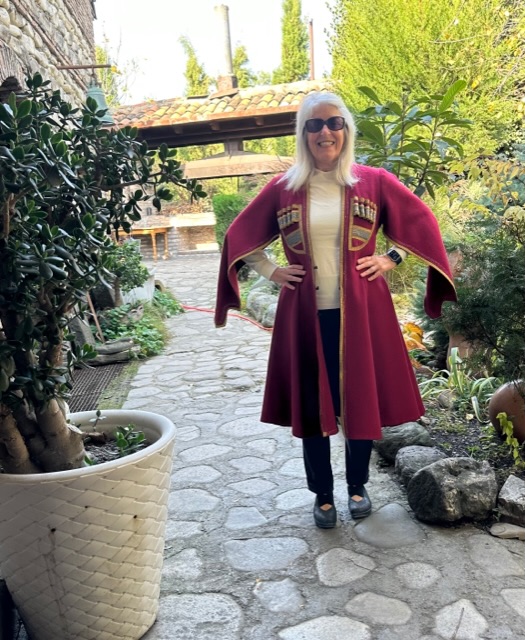
I’m a honorary Georgian. 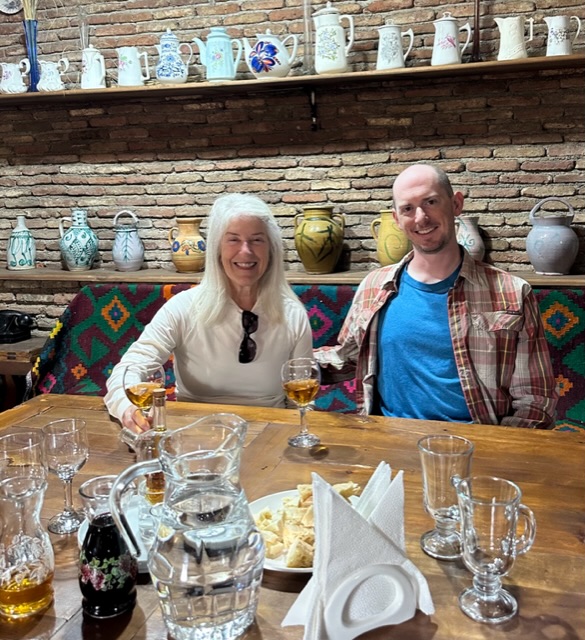
Mike and I enjoying our first tasting. Rkatsiteli white; saperavi, red/black with cheese and bread. In the lovely decanter was their homemade brandy (amber color) and chacha (clear). 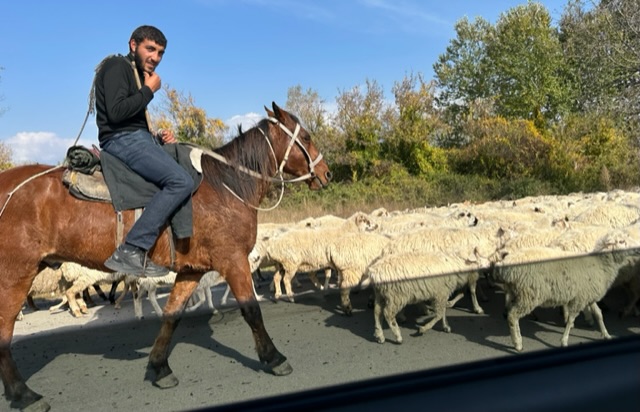
On our way to the second winery. Sheep herding. It’s a real thing in Georgia. 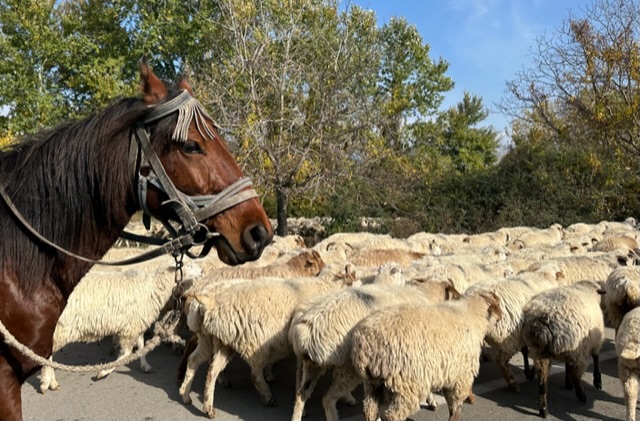
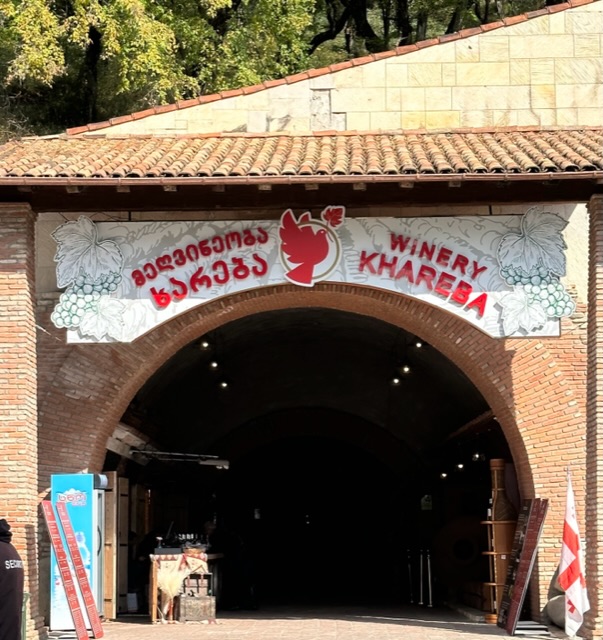
Khareba Winery. An award winning winery about 40 minutes from Sighnaghi. 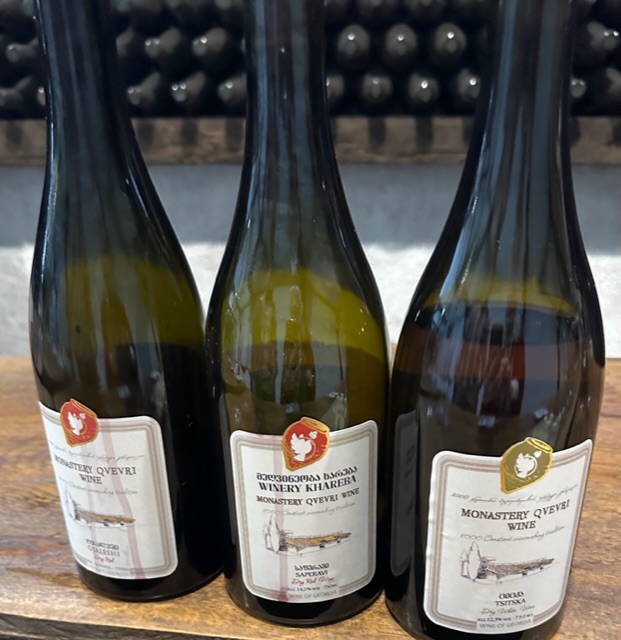
Three of their award winning wines. Two were blends. Monastery qvevri wine.
All delicious!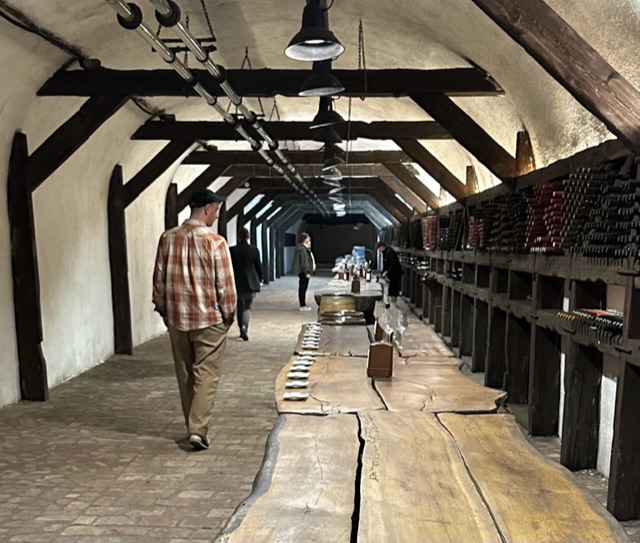
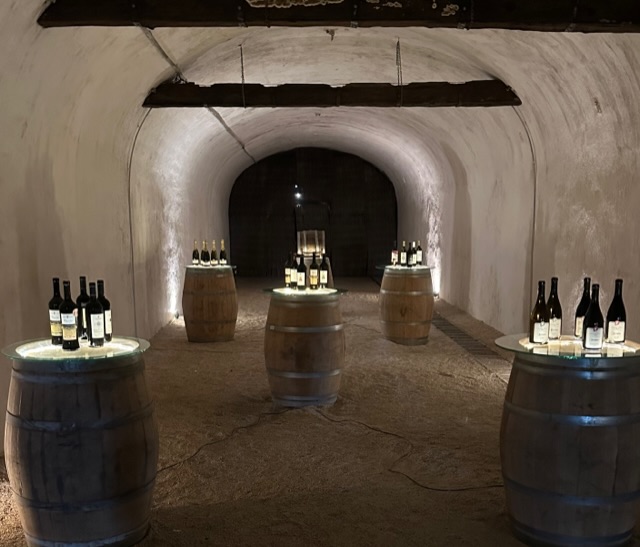
Kvareli Wine Cave is built on the edge of Alazani Valley. The cave, carved into the Caucasus rock massif, was opened in 1962 specifically for the World Congress of Vine and Wine. Stunning.
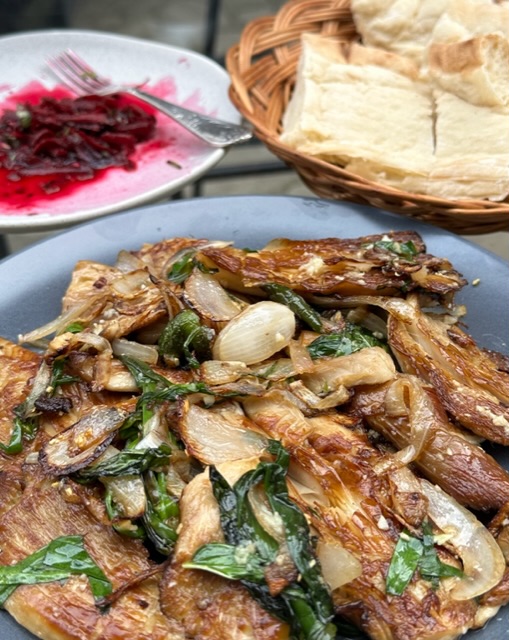
We loved the mushrooms so much, we decided to end our day back at Pheasant’s Tears for more and this time accompanied them with a beet salad. Back to Tbilisi late. Mike has to work tomorrow—somebody’s gotta work. 😉
-
Subscribe
Subscribed
Already have a WordPress.com account? Log in now.
 Dream to Travel from NCM