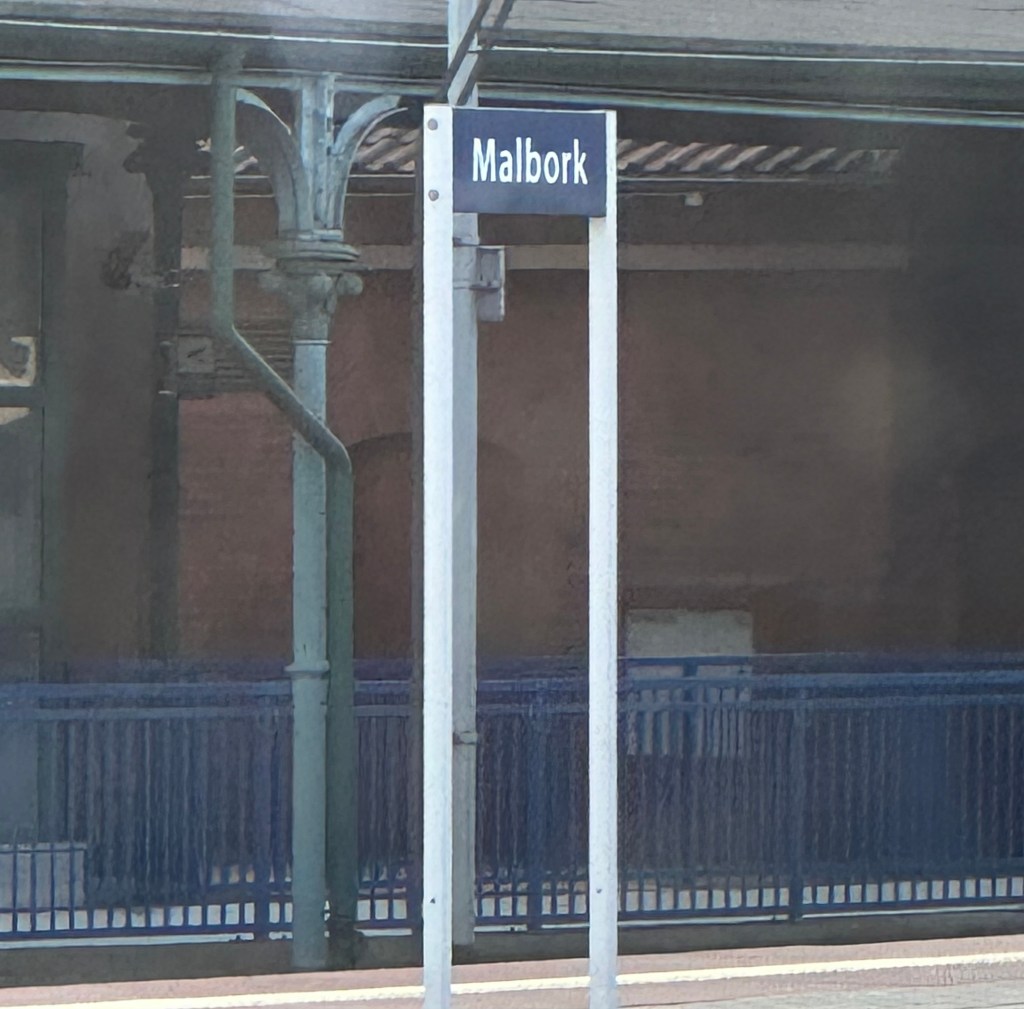
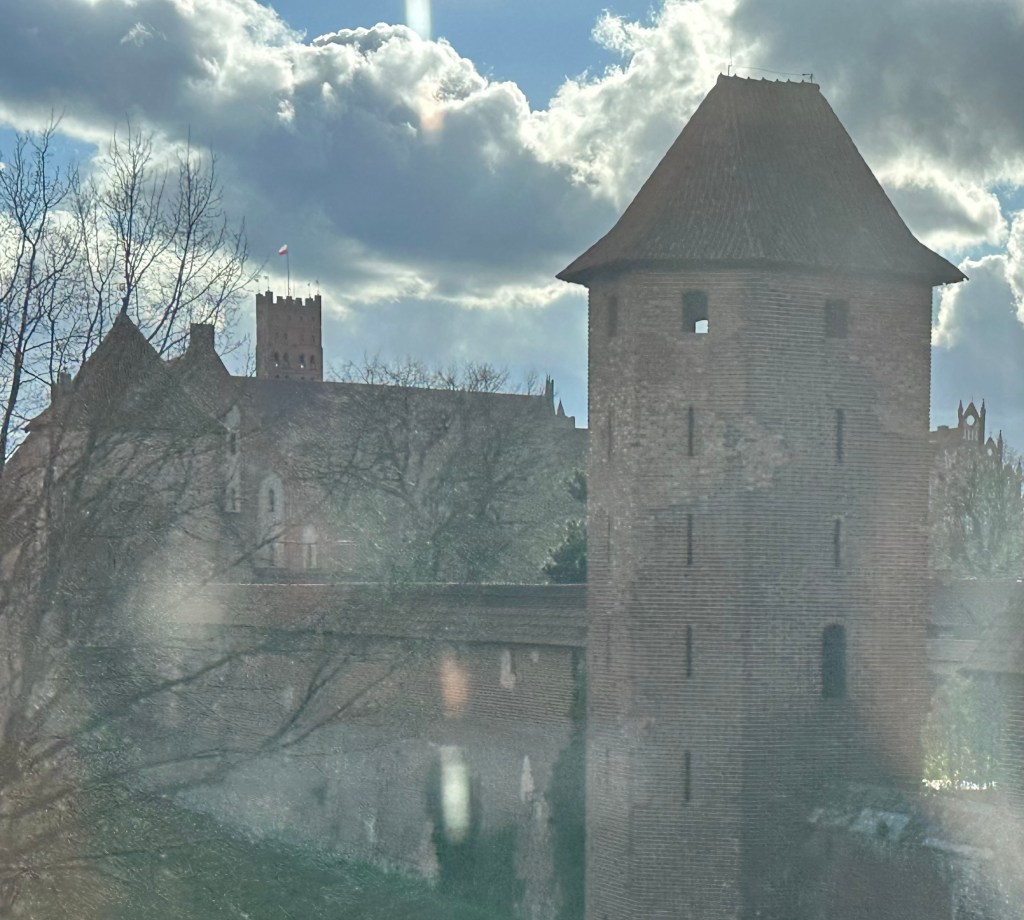
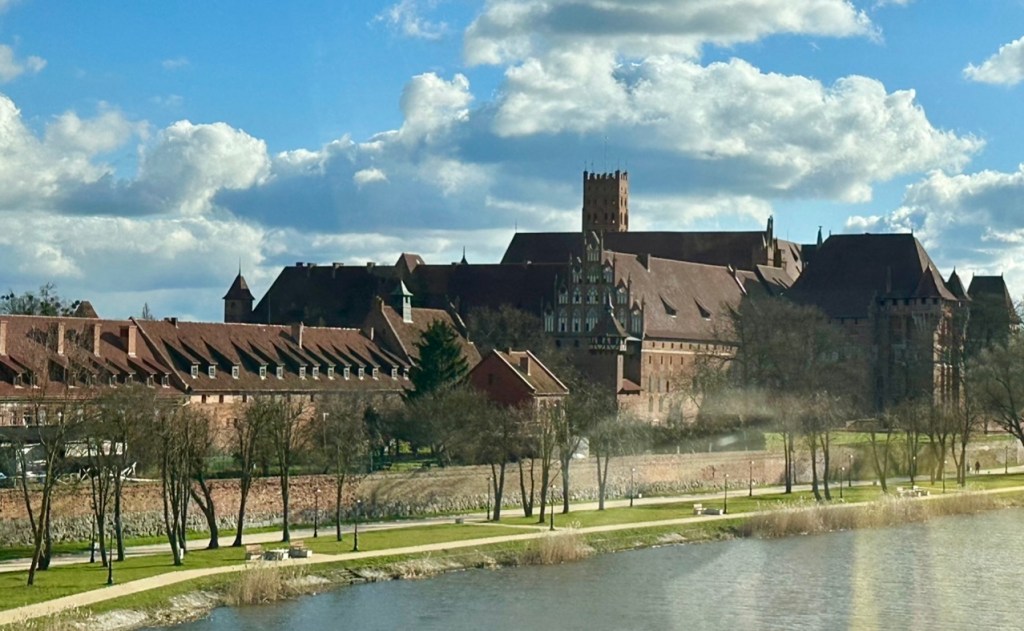
Took today off . . . your lucky day. Had to post these three pictures though. Flash back to October and November. Toured Malbork Castle in October, took pictures from the train on our way to Toruń (similar to below) in November and passed Malbork again today. : )
UNESCO designated the “Castle of the Teutonic Order in Malbork” and the Malbork Castle Museum a World Heritage Site in December 1997. It is one of two World Heritage Sites in the region (north-central Poland), together with the “Medieval Town of Toruń “, which was founded in 1231
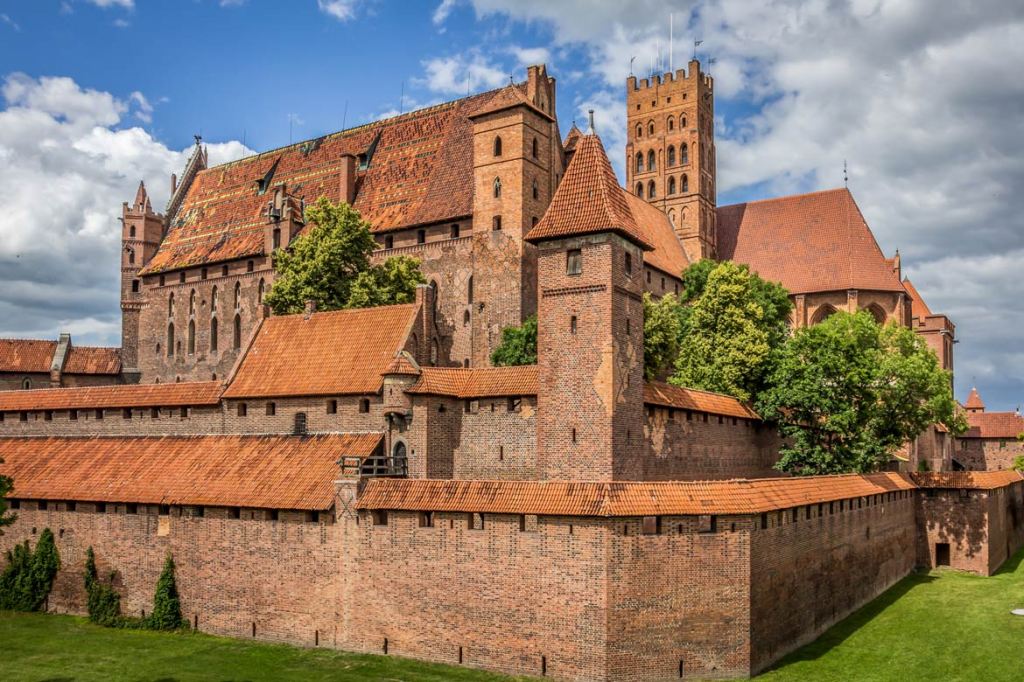
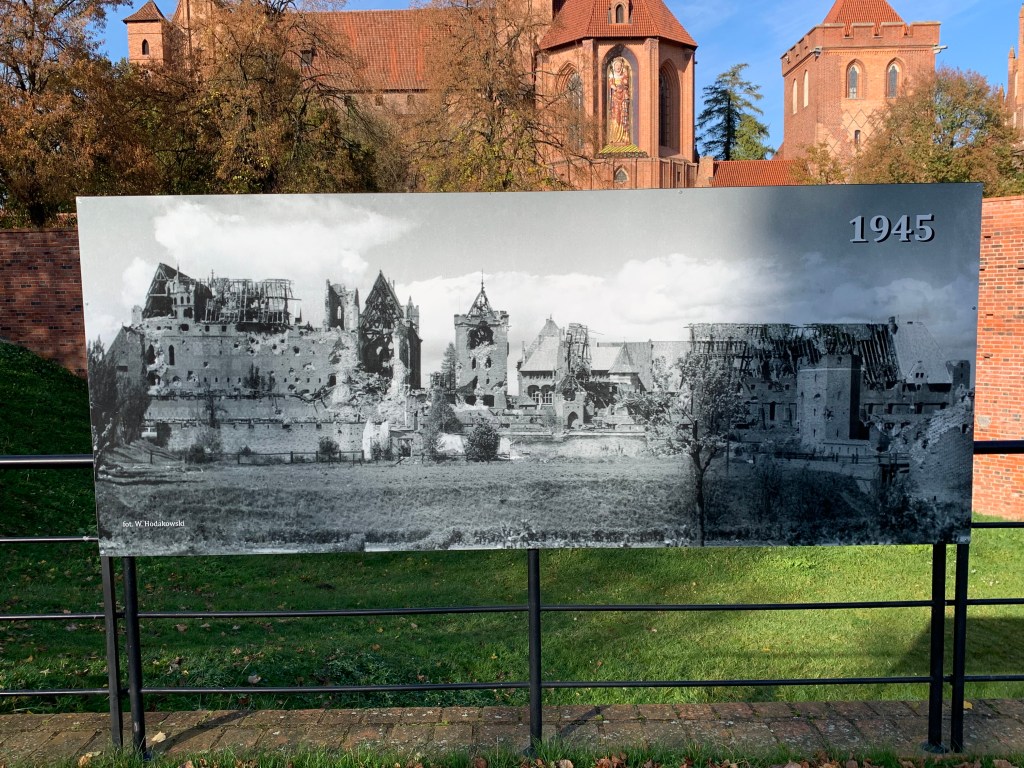
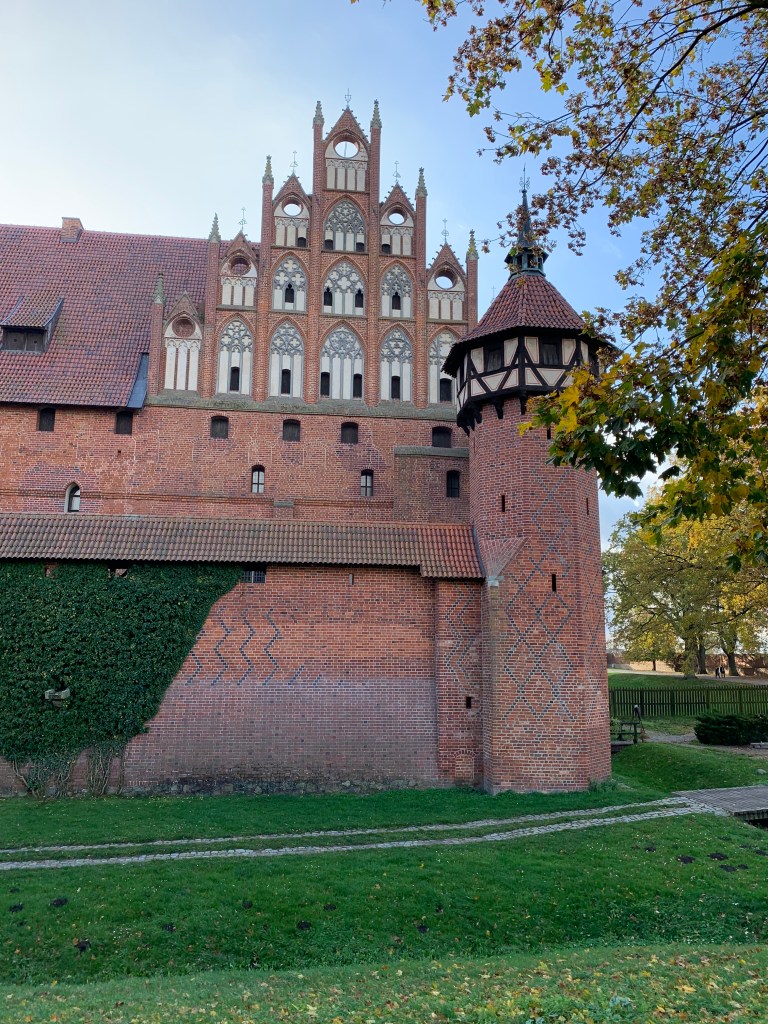
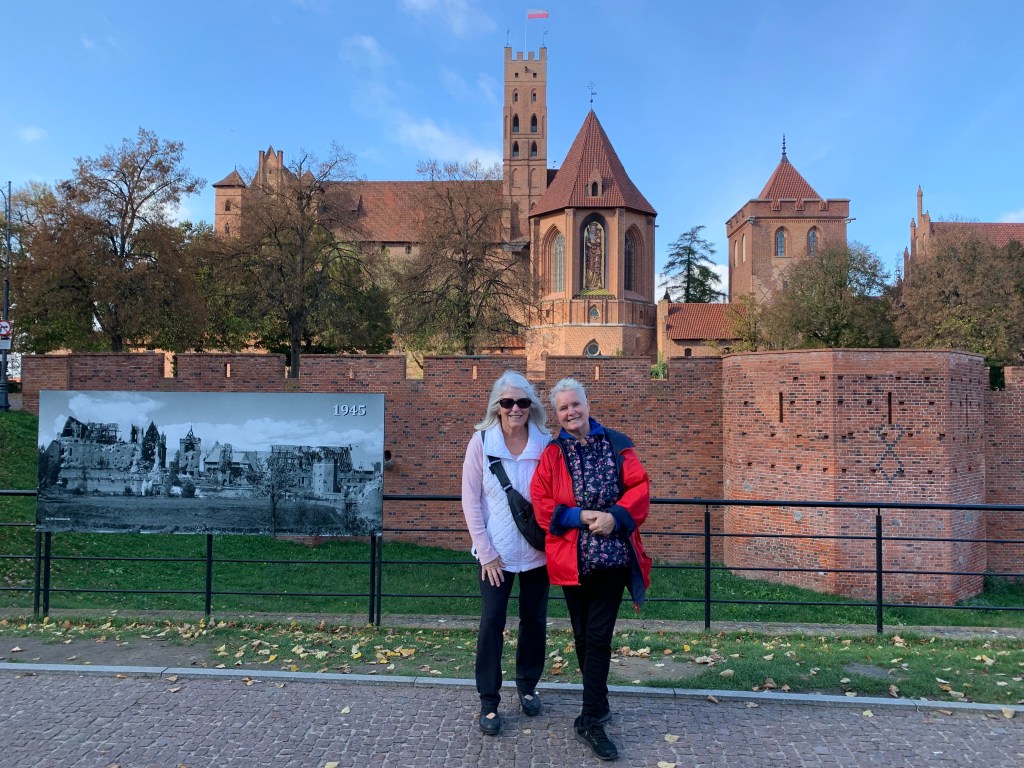
Malbork Castle is located in the north of Poland, on the east bank of the River Nogat. It is the most complete and elaborate example of a Gothic brick-built castle complex in the characteristic and unique style of the Teutonic Order. The style exemplified here evolved independently from those which prevailed in contemporary castles in western Europe and the Near East. This spectacular fortress bears witness to the phenomenon of the Teutonic Order state in Prussia. The state was founded in the 13th century by German communities of military monks who carried out crusades against the pagan Prussians and Lithuanians living on the south Baltic coast, as well as against the Christian Kingdom of Poland. It reached its greatest influence in the 14th century. The castle-convent embodies the drama of late medieval Christianity, straining between extremes of sanctity and violence. Following severe damage in the Second World War it was once again restored, using the detailed documentation prepared by earlier conservator.
Tomorrow we get ready to go Ireland. See you in Ireland.
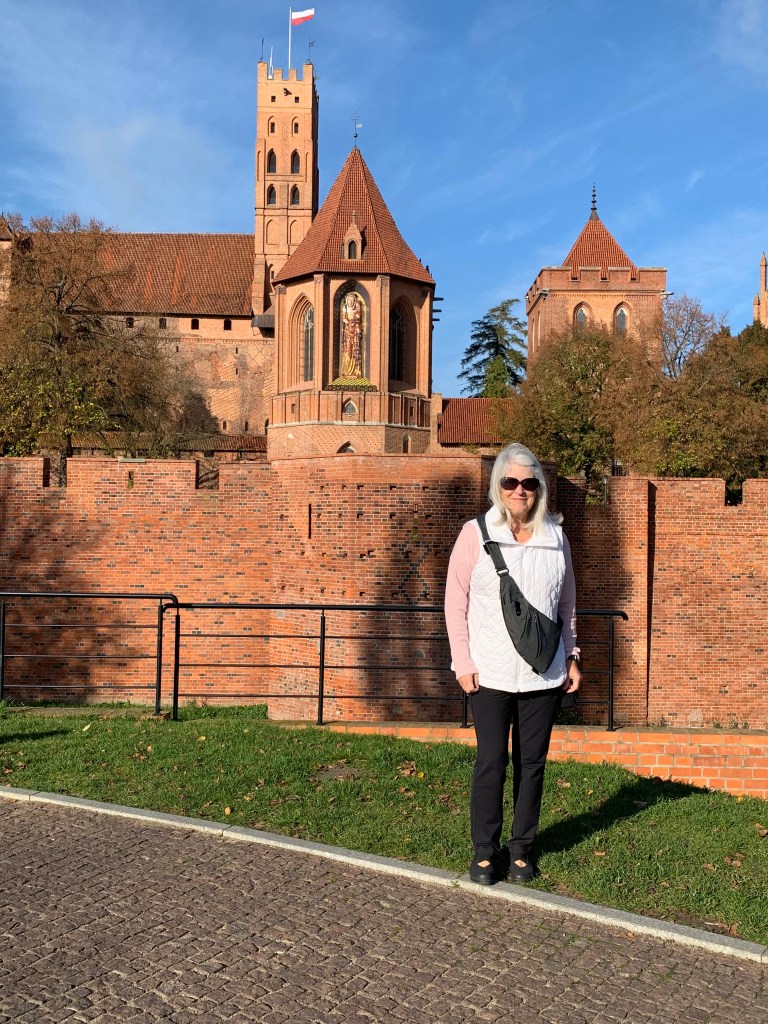
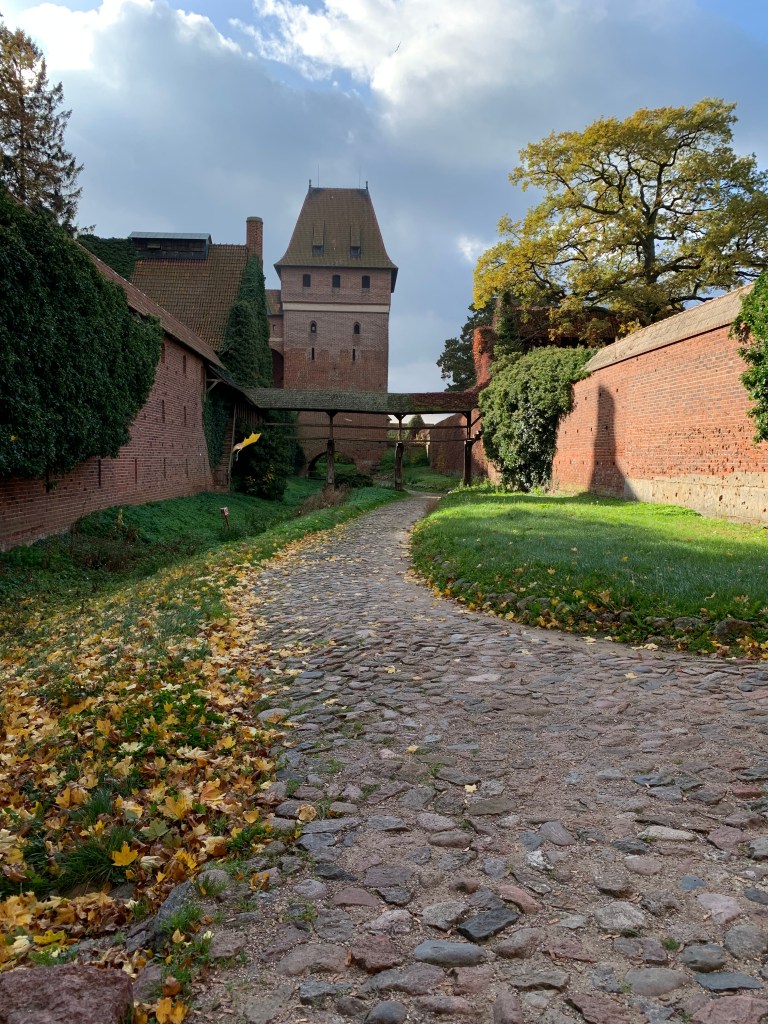
a mighty fortress! Malbork Castle was built in a few stages. The work started in 1278 after the Teutonic Order, German Catholic crusaders, had conquered the area of Old Prussia. They named the castle “Marienburg” to commemorate Mary, the mother of Jesus. It consists of three castles: High, Middle and Lower, all separated by dry moats and towers. All the rooms, the details of architecture, passages, and corners you find inside are so beautiful they definitely impress.
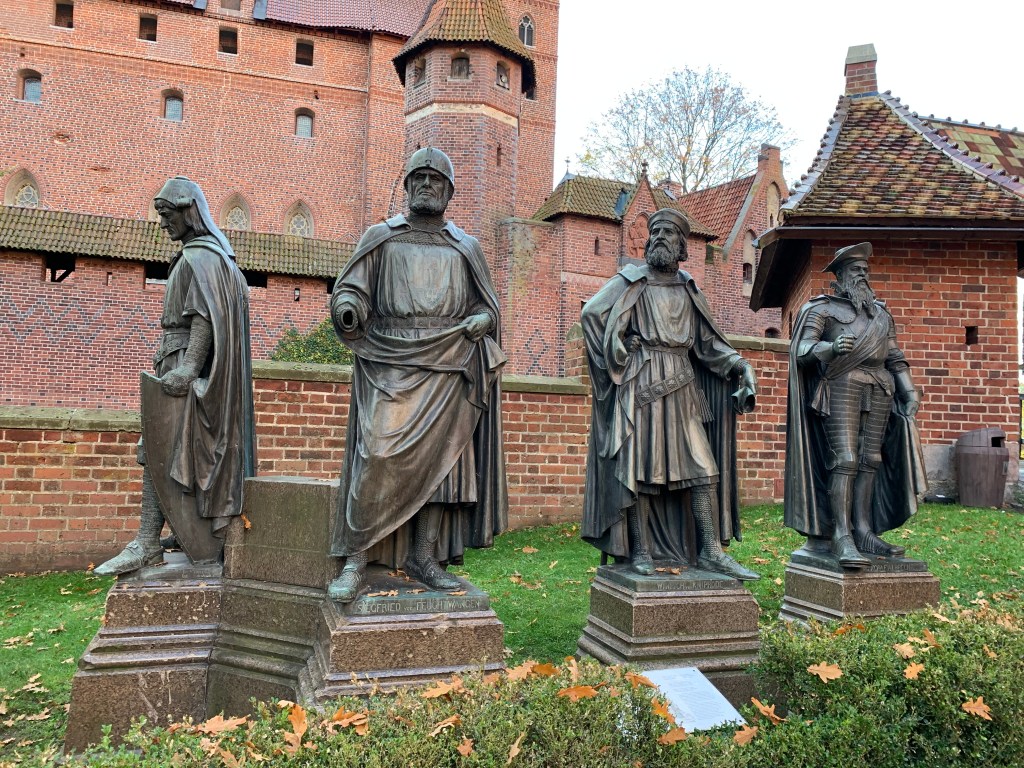
The Malbork castle is the mightiest fortress of medieval Europe. Its construction begun in the 13th century. But major transformation begun in early 14th century, when the Grand Master Siegfried von Feuchtwangen moved his office to Malbork (statute of him further down). The castle was promoted to the status of being the capital of one of the most powerful states on the southern coast of the Baltic.
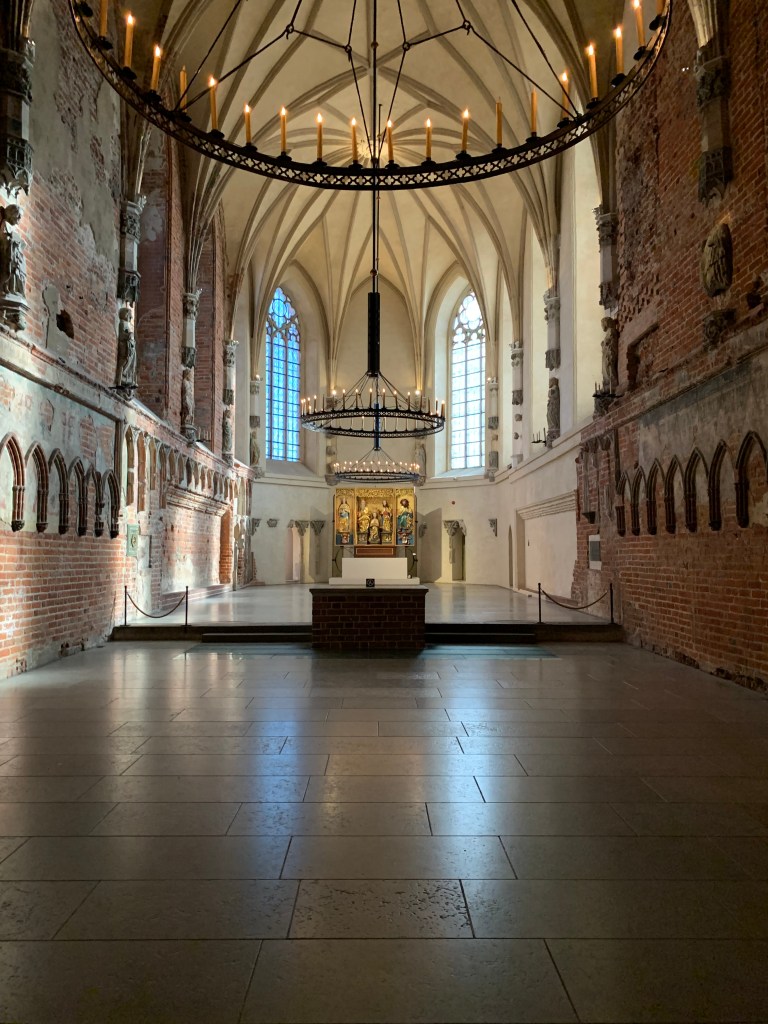
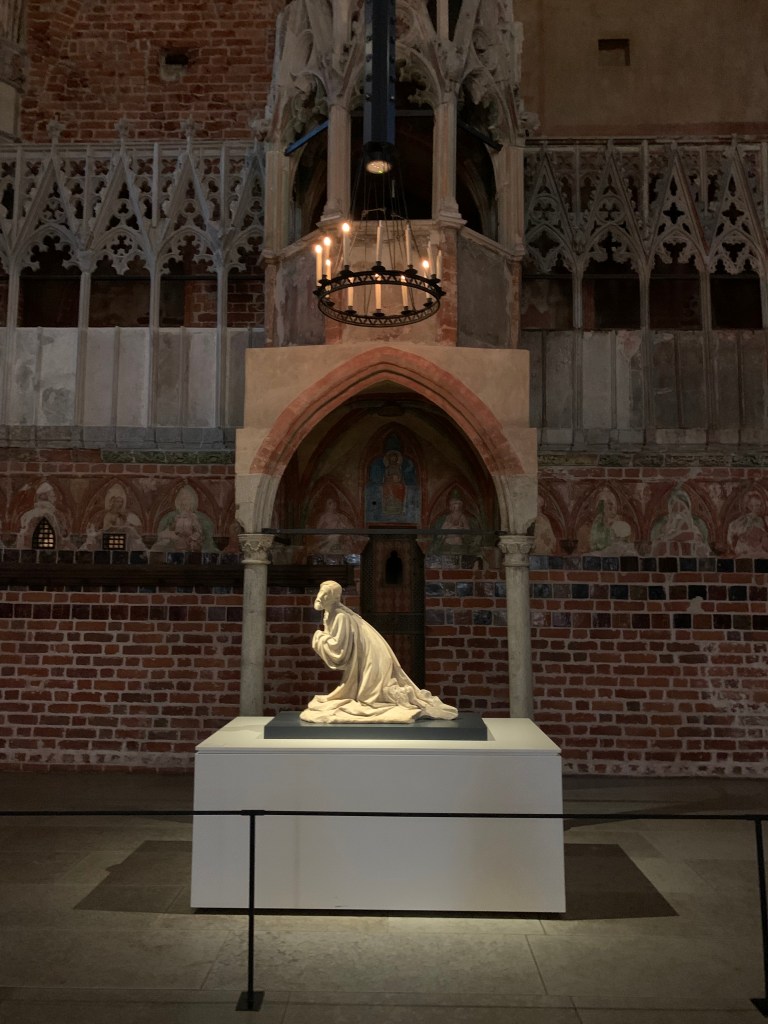
The old structure apparently could not fulfil its new functions in its current form. It took almost half a century to transform a convent house into a strongly fortified High Castle. Surrounded by deep moats and several rings of defensive walls, it housed several representative rooms. Among these are: the church of the Blessed Virgin Mary, enlarged by a new chancel, and St. Ann’s chapel beneath it – the burial site for the Grand Masters. The old settlement outside the outer walls was also expanded, becoming a spacious and functional Middle Castle available to knights – guests from Western Europe. (from their website)
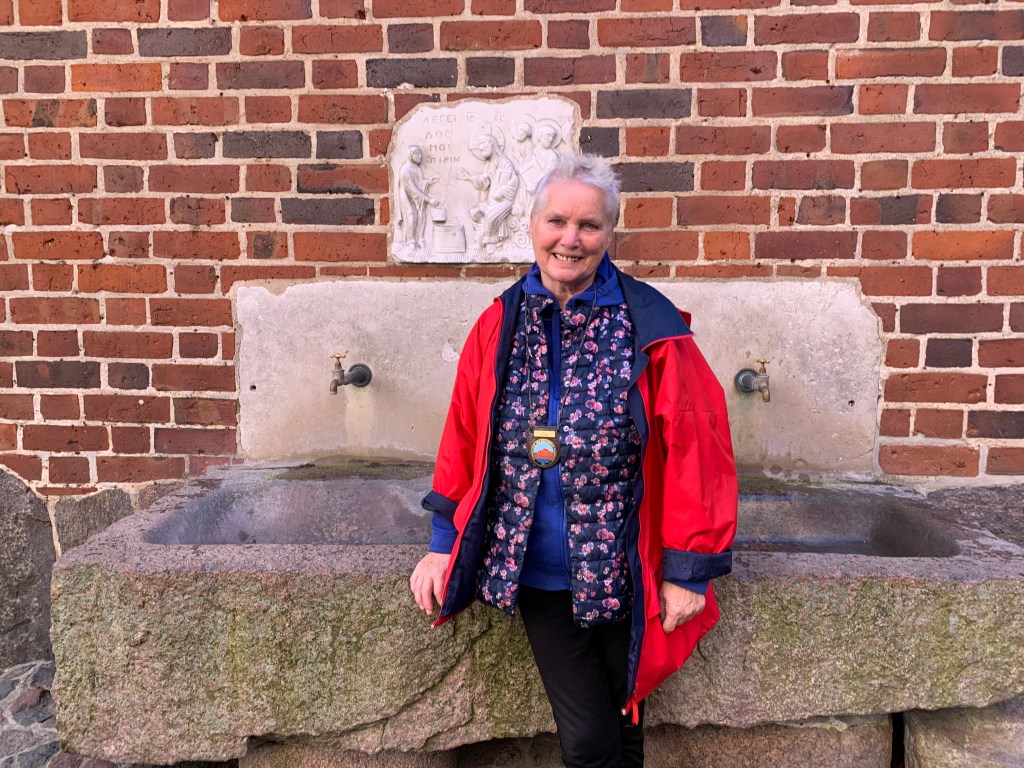
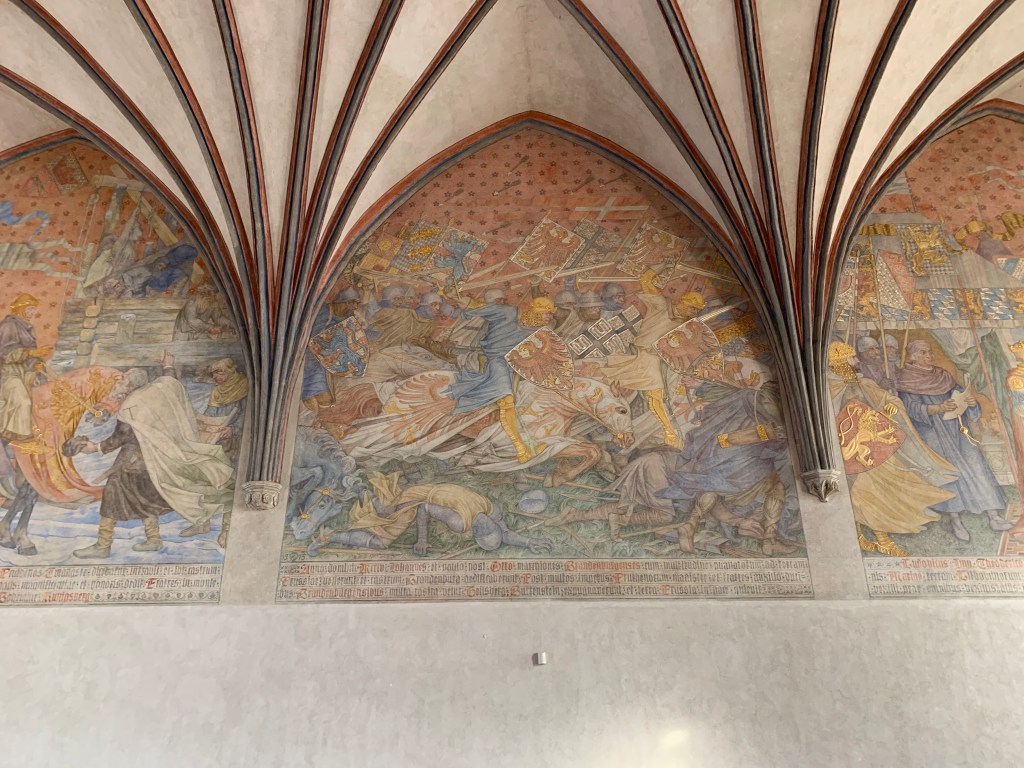
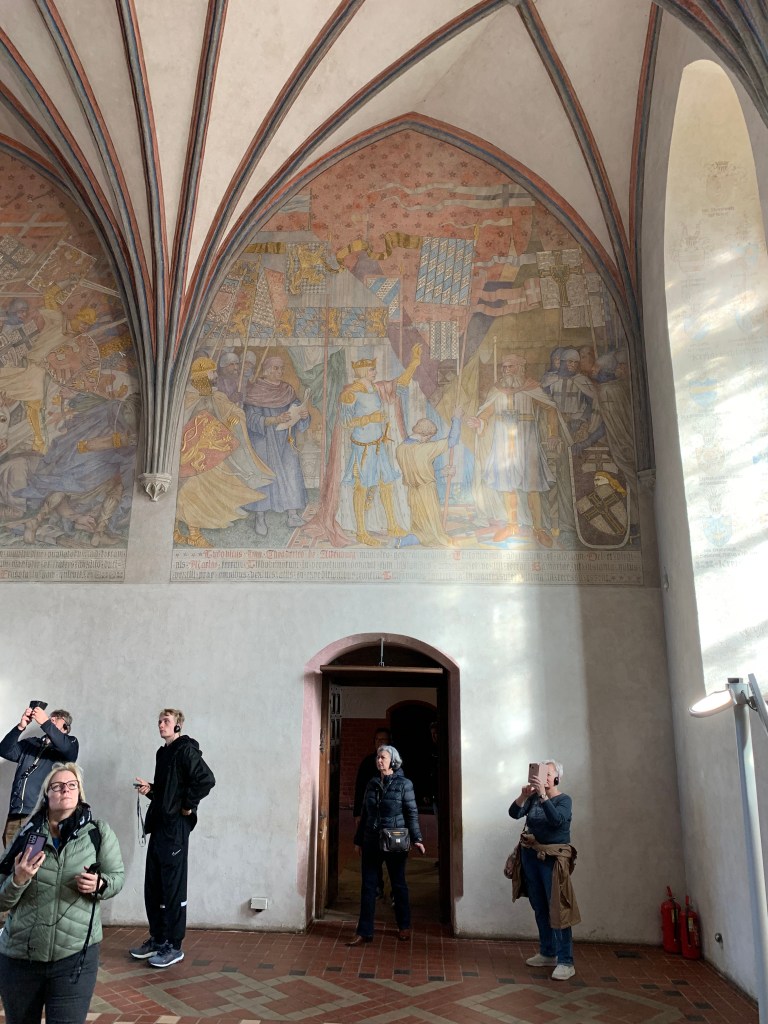
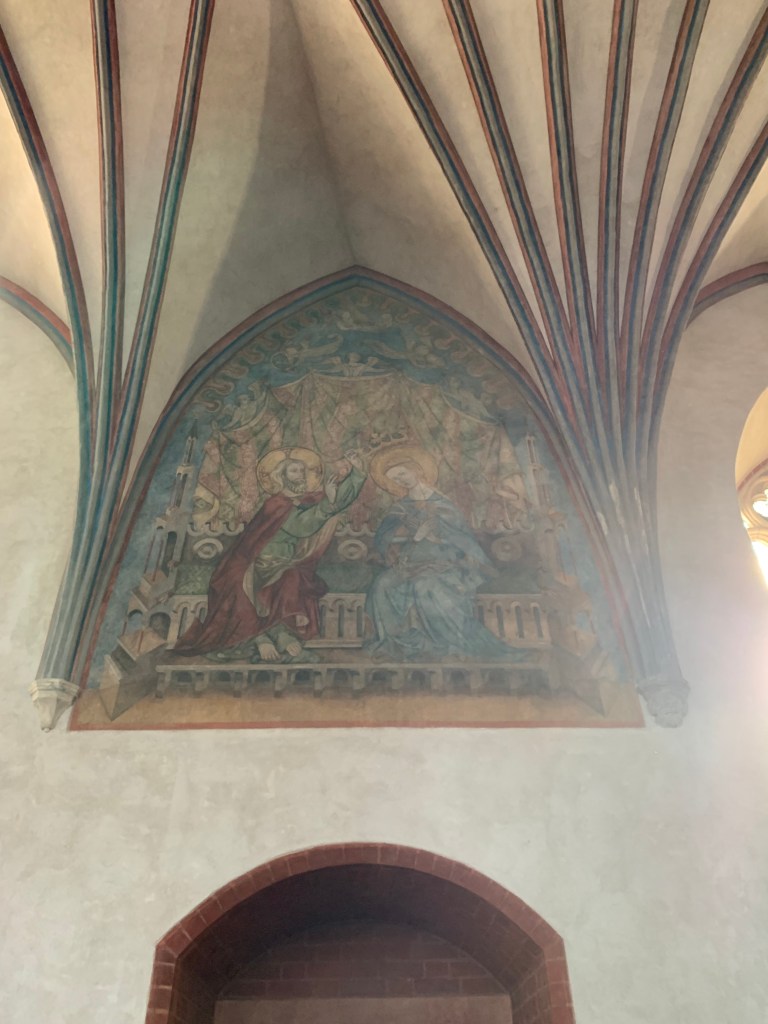
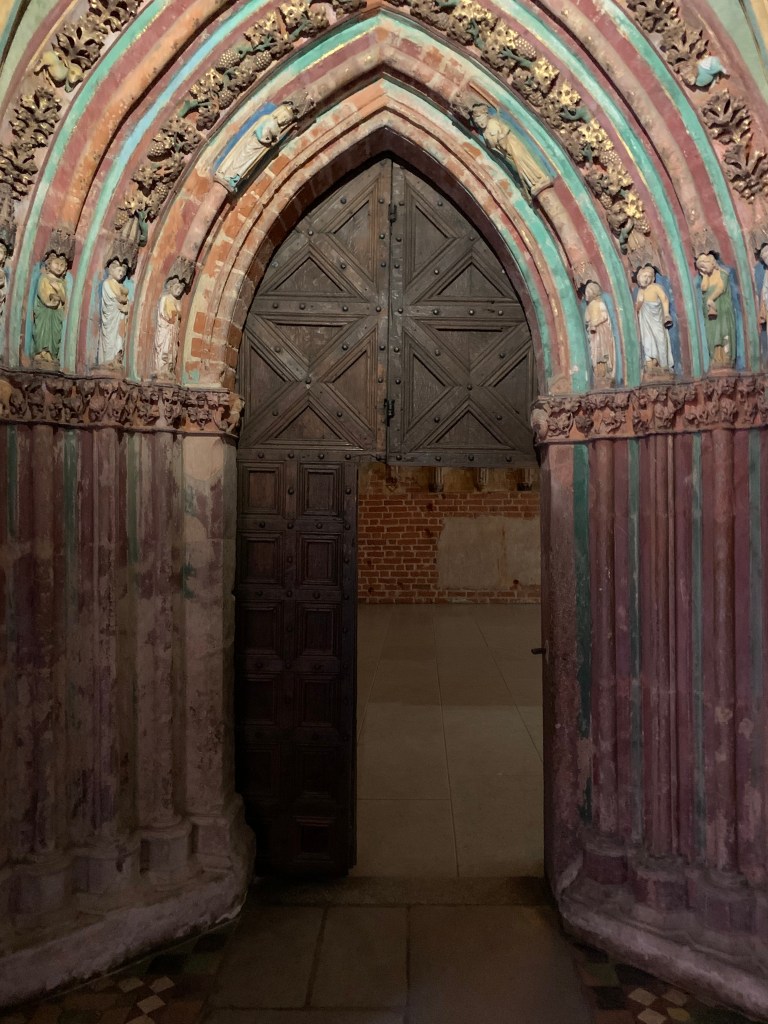
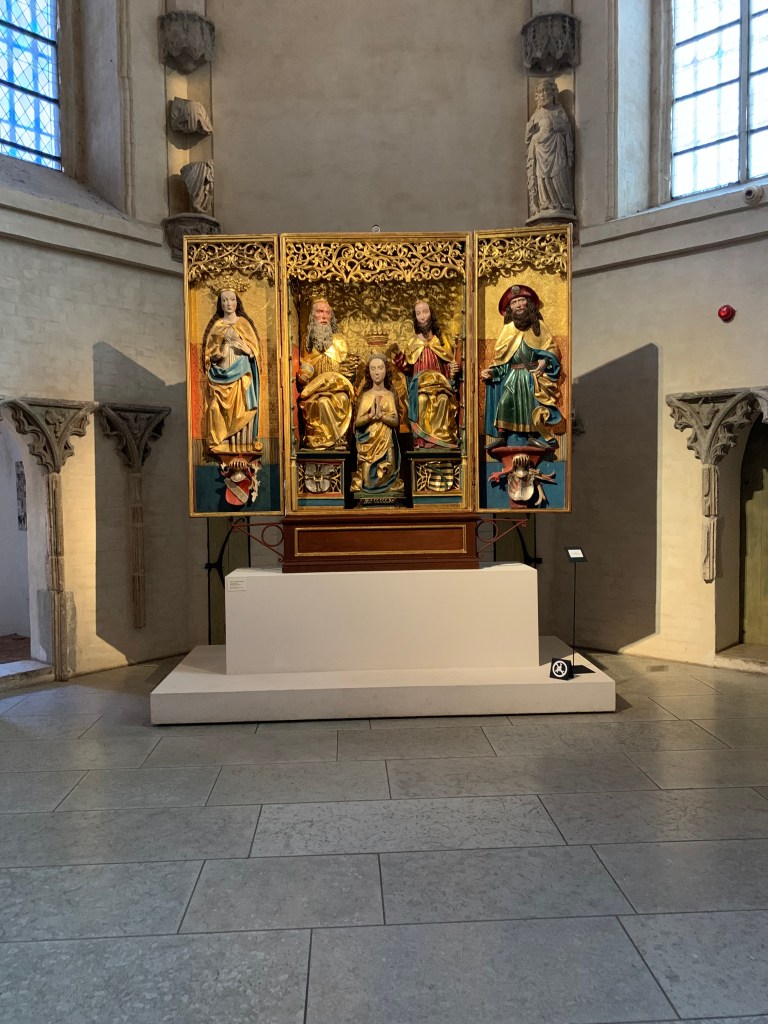
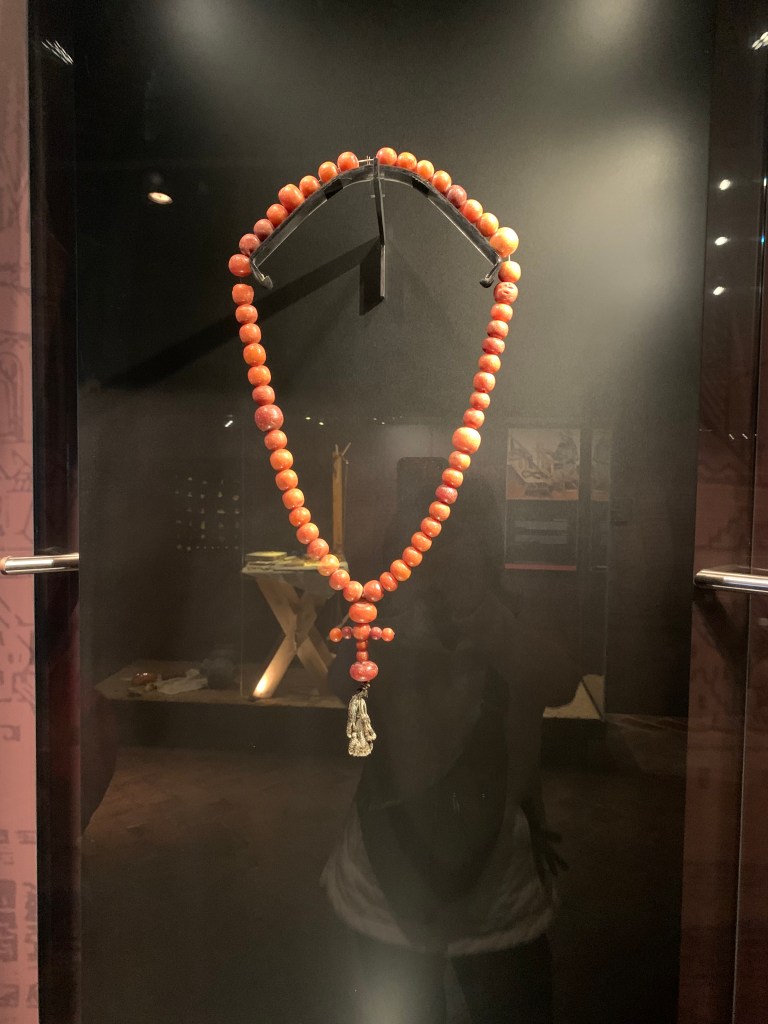
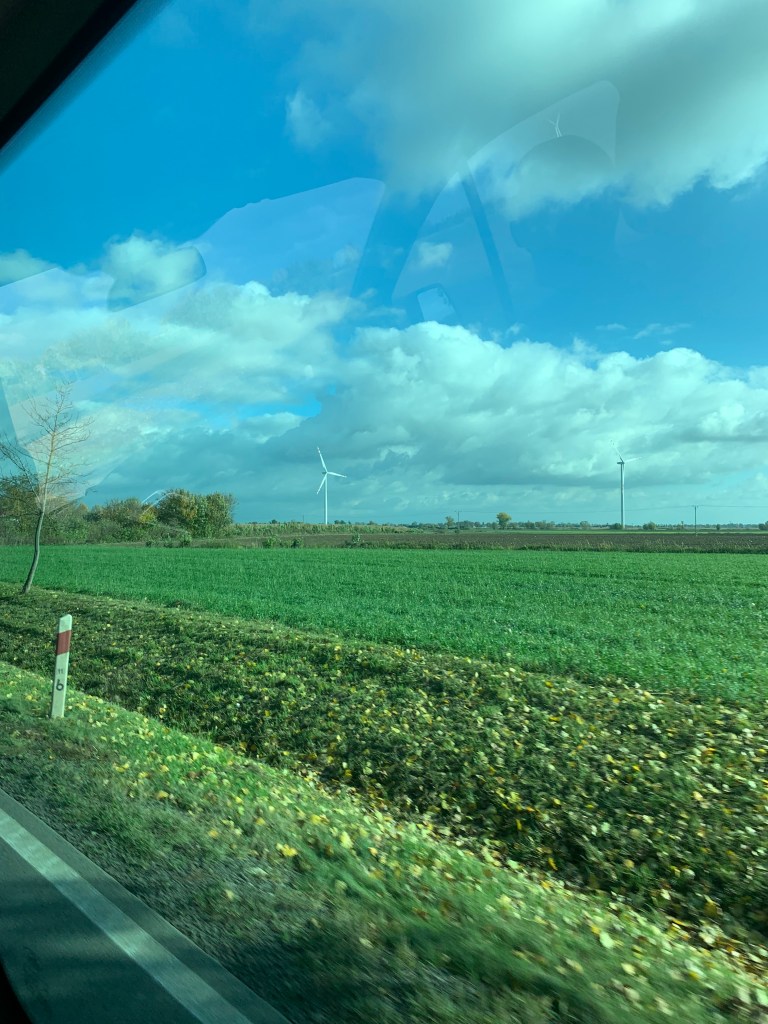
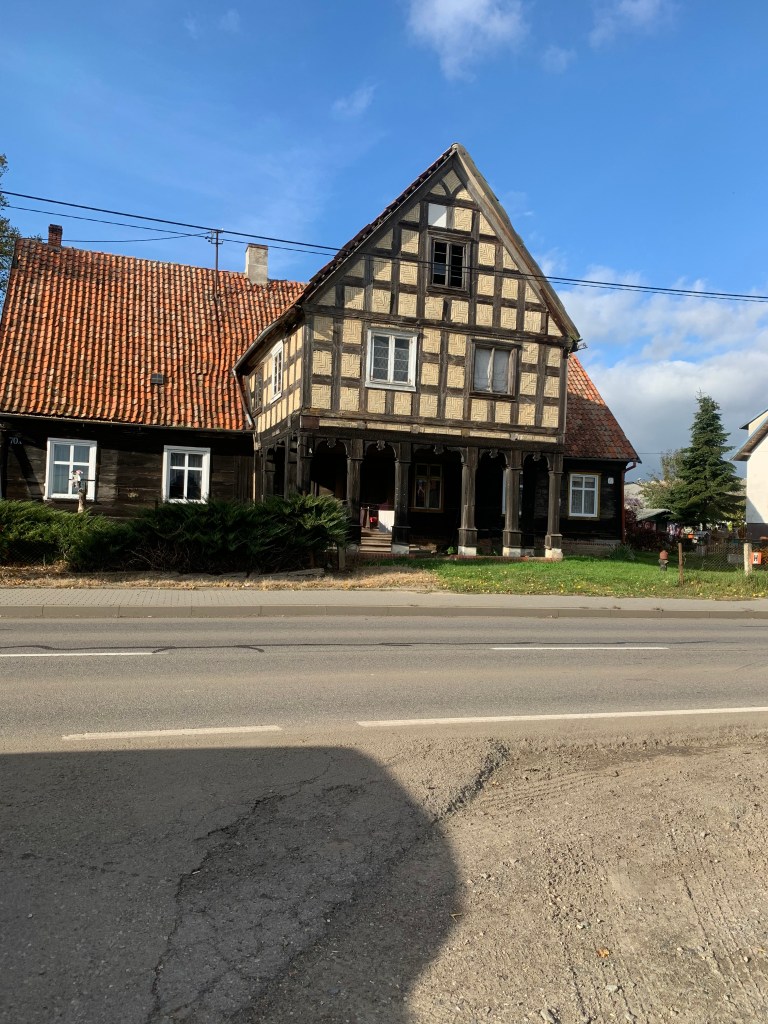
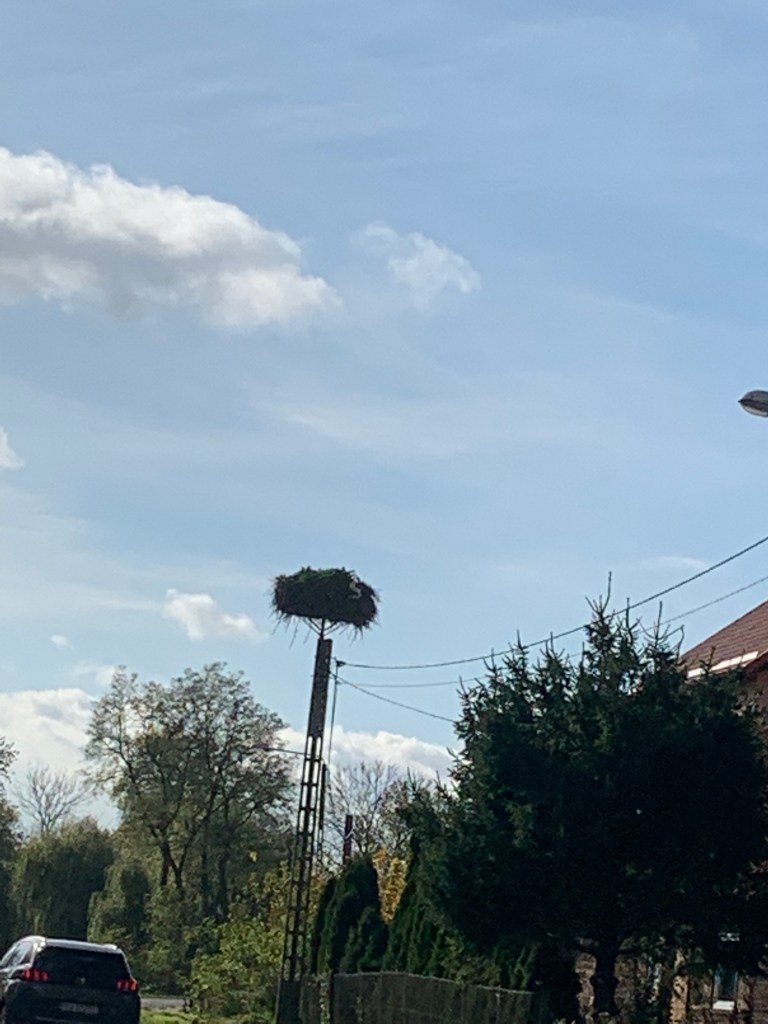
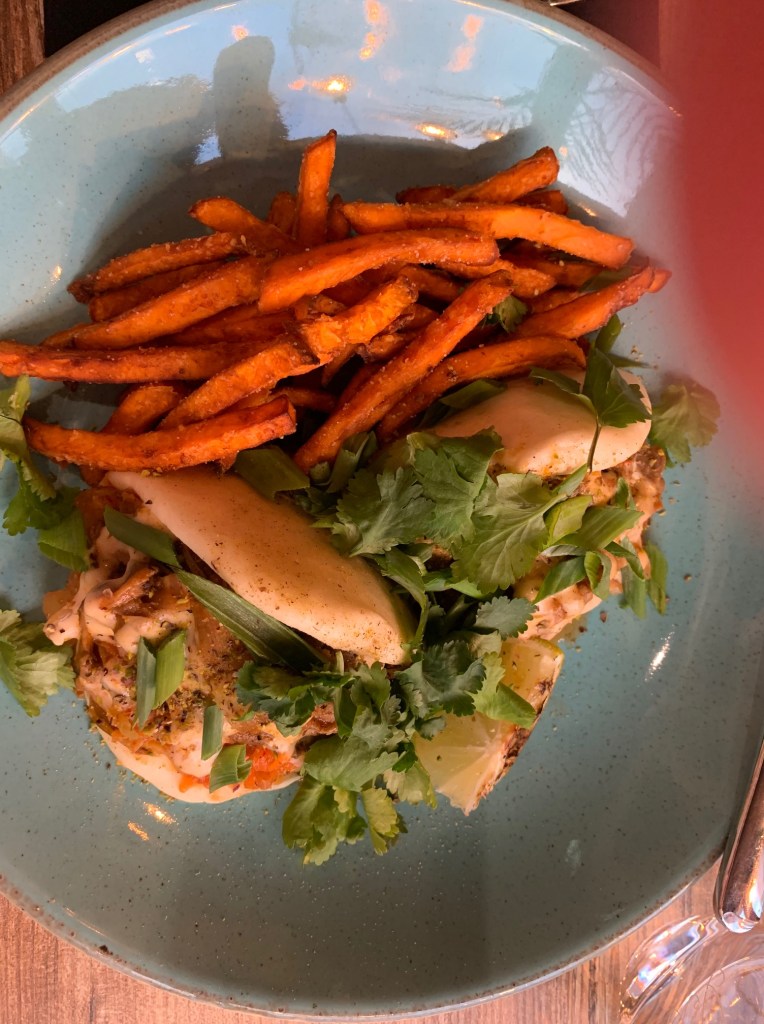
The castle was almost completely destroyed during WWII. Even a compound as fortified as Malbork Castle couldn’t escape the horrors of World War II.Today.Alicia, my guide.Frescos.Frescos.And more frescos. One more beautiful than the next.Grand Master Siegfried von Feuchtwangen and a few of his friends.Entrance to the church of the Blessed Virgin Mary.I don’t think this was the original alter. This alter was recovered from a nearby castle of the same period.Amber rosary beads. My mom collected rosary beads; I immediately thought of her when I saw these. Miss you mom.Saying goodby.The castle is massive! My pictures don’t really do it justice.Alicia and I ending where we started from.Saw lots of wind turbines on the way to and from Malbork Castle.Polish Mennonites. They settled down in Żuławy near the Malbork Castle. Zulawy is Poland’s largest area located below sea level. Historically the area was an estuary of the longest Polish river, the Vistula, which flows into the Baltic Sea. It was in the 14th century when the arduous process of taking the land from the sea started. Poland was the most tolerant kingdom in Europe. It was here where they could find new home, peace, and freedom. The Polish Mennonites were skillful farmers and the cheeses from Żuławy were appreciated all over Europe as a great delicacy. Who knew??A stork’s nest!! In Żuławy. Legend has it the Pols welcome the birds in their village and on their roofs (or poles–no pun intended) in exchange for good luck. Again, who knew? In the US, storks bring babies, right?ENDI WINE HOUSE, Sopot. Dinner this evening. Almost went back to the apartment for leftover pierogis. Glad I didn’t! Bao with oyster mushrooms, chives, coriander, sweet chilli soyonnaise and a side of sweet potato fries. YUM! Not quite a dumpling/pierogi, not quite a crepe, not quite a basket bun, bao here was a DELICIOUS way to encase oyster mushrooms and all the fixings with a side of sweet potato fries. This dinner was delicious! A great way to end a great day.
 Dream to Travel from NCM