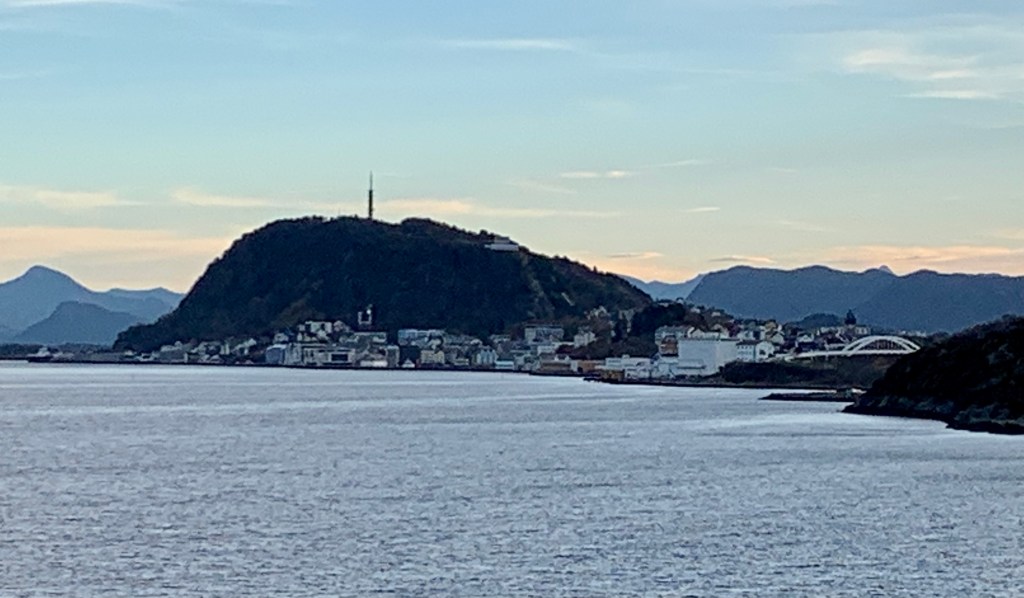
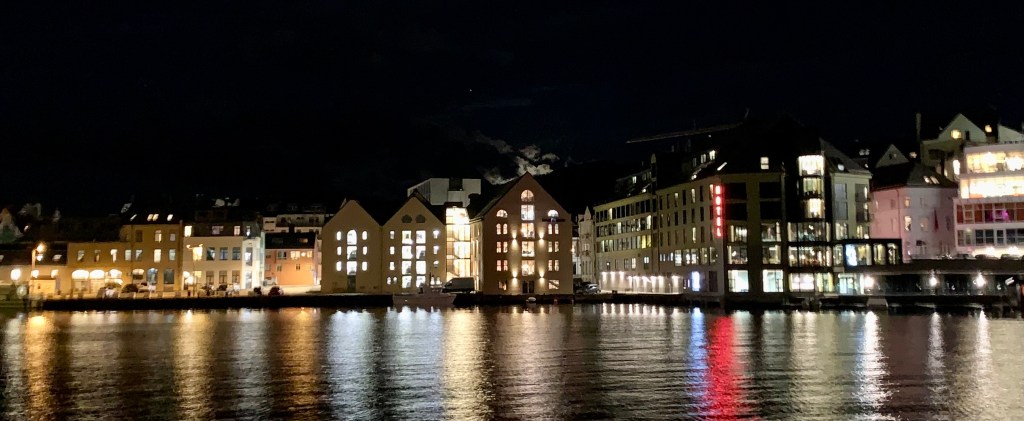
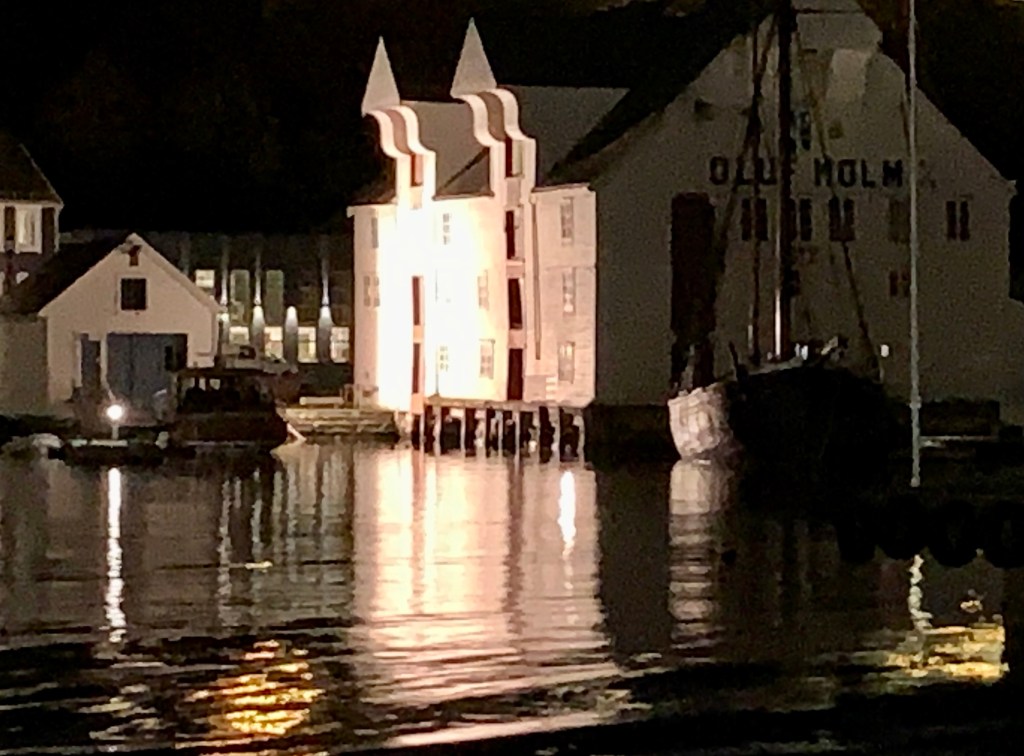
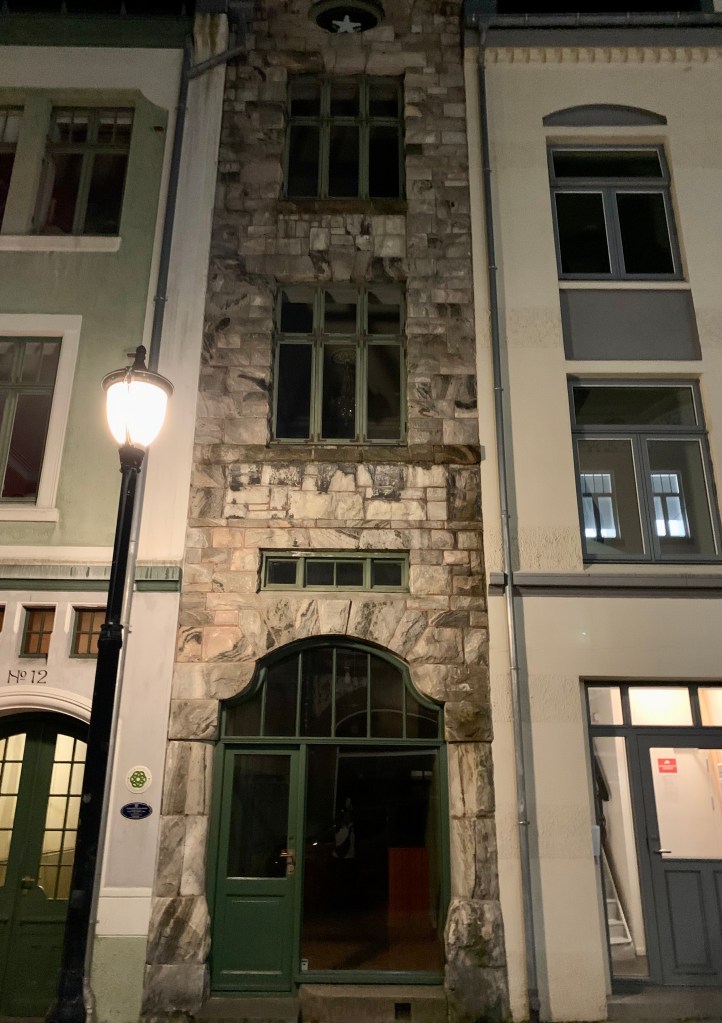
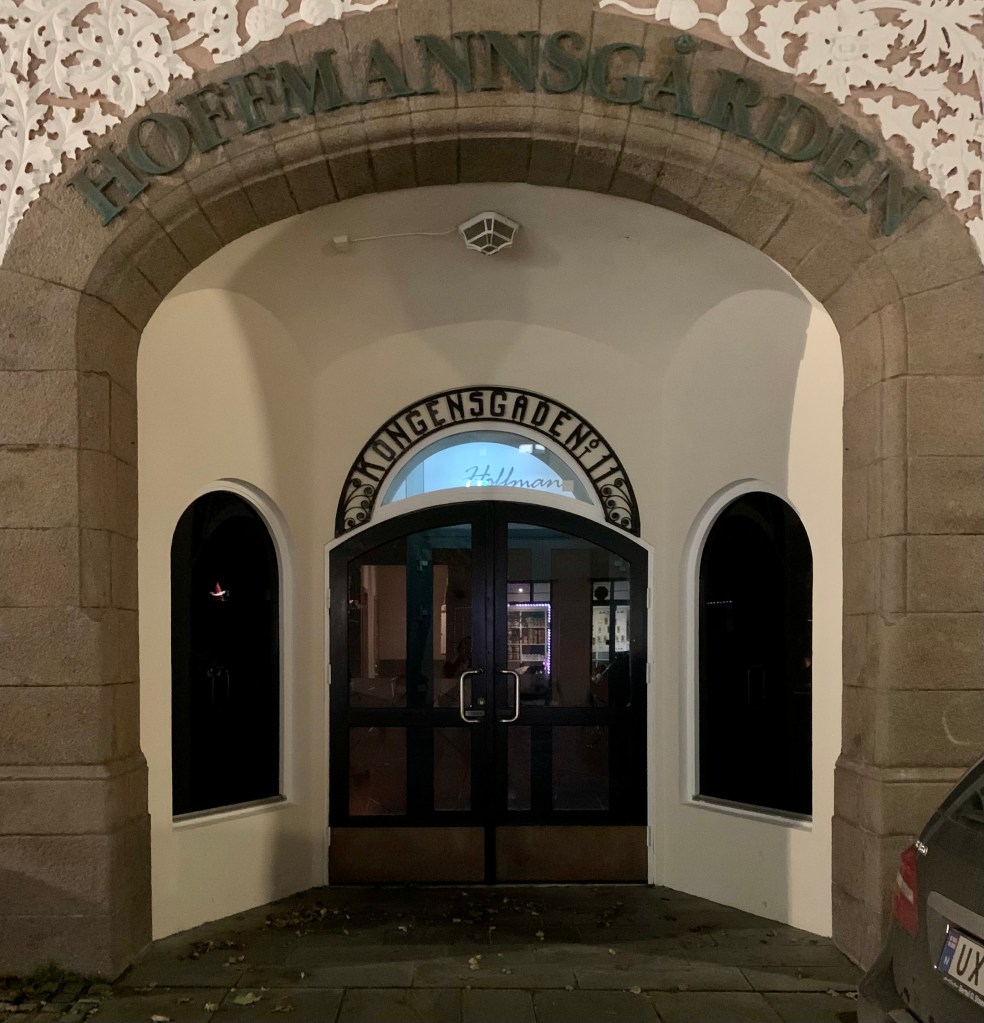
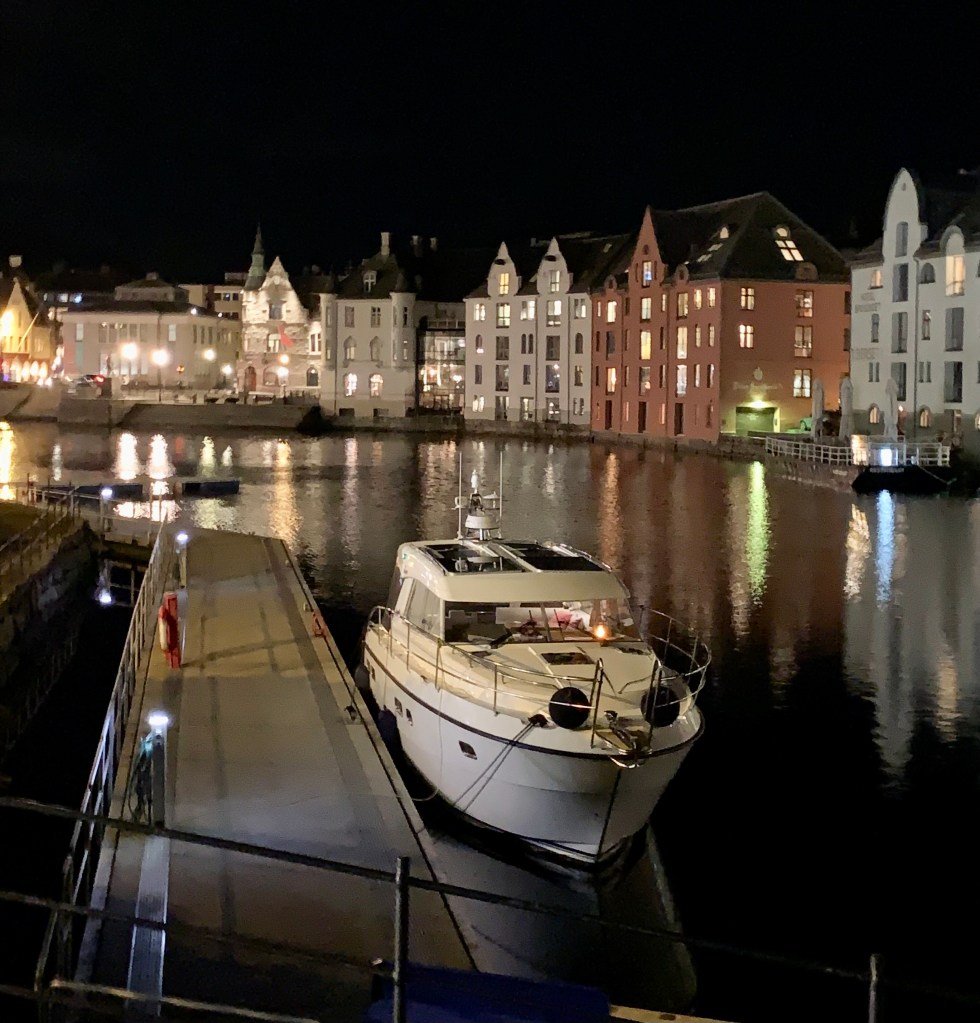
all by boat until Alesund. Here I exited the ship and took a guided Art Neuveau walk in the stunning town of Alesund. The town’s architecture is a museum in itself. Forget the frivolous decorations of Gothic, Renaissance and Baroque architecture. Art Neuveau seems much simpler, more organic–all buildings made of stone original to this area. This style came to Alesund as the town was completely reconstructed after a fire had razed it to the ground on the night of January 3, 1904. The fire broke out inside a factory building. Within a matter of hours, more than 800, then wooden houses were destroyed.
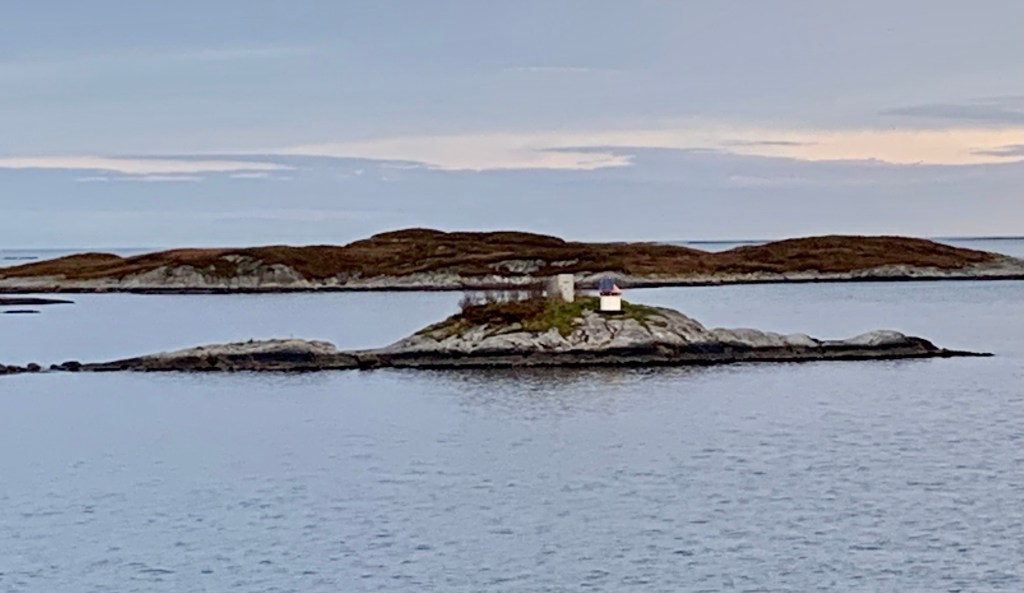
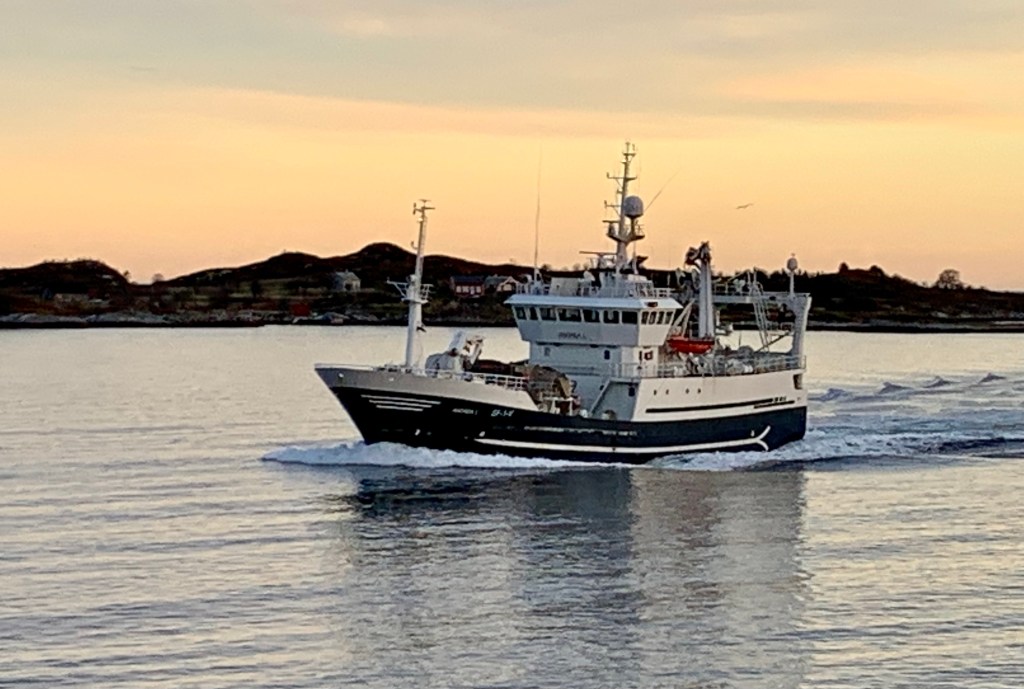
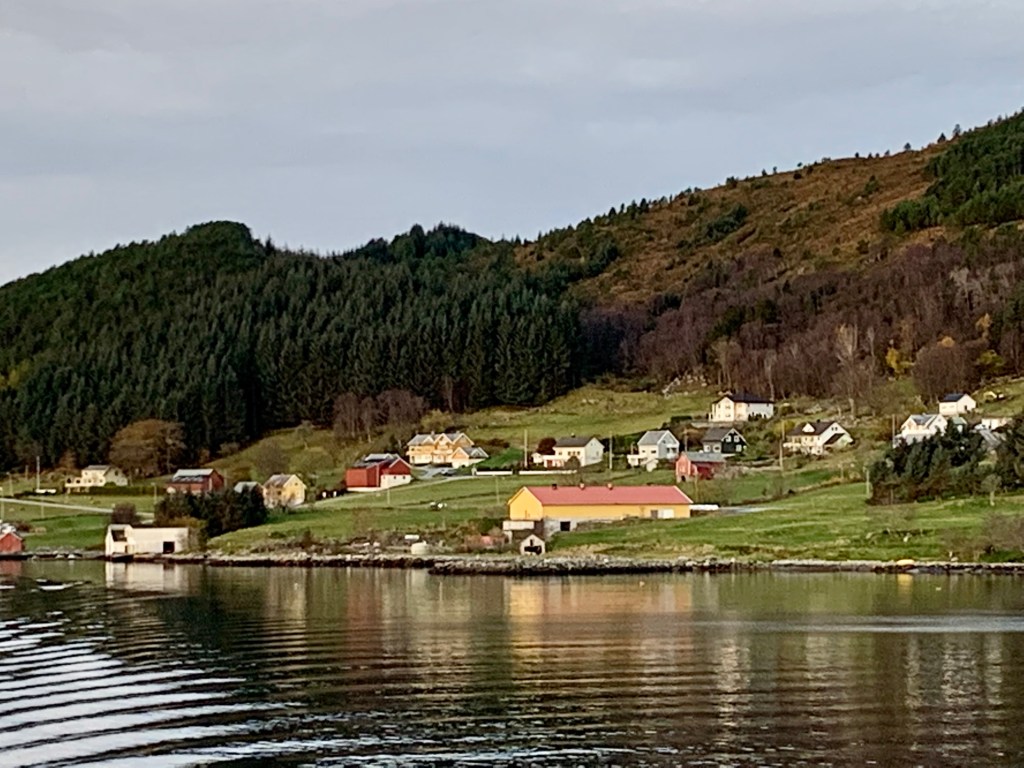
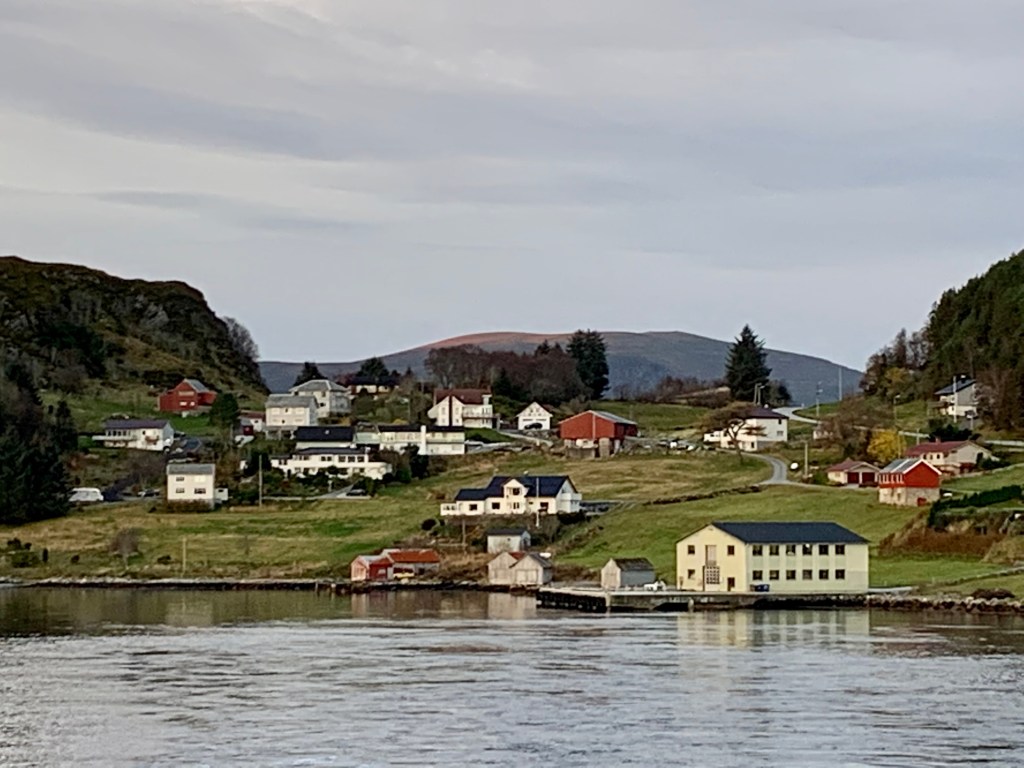
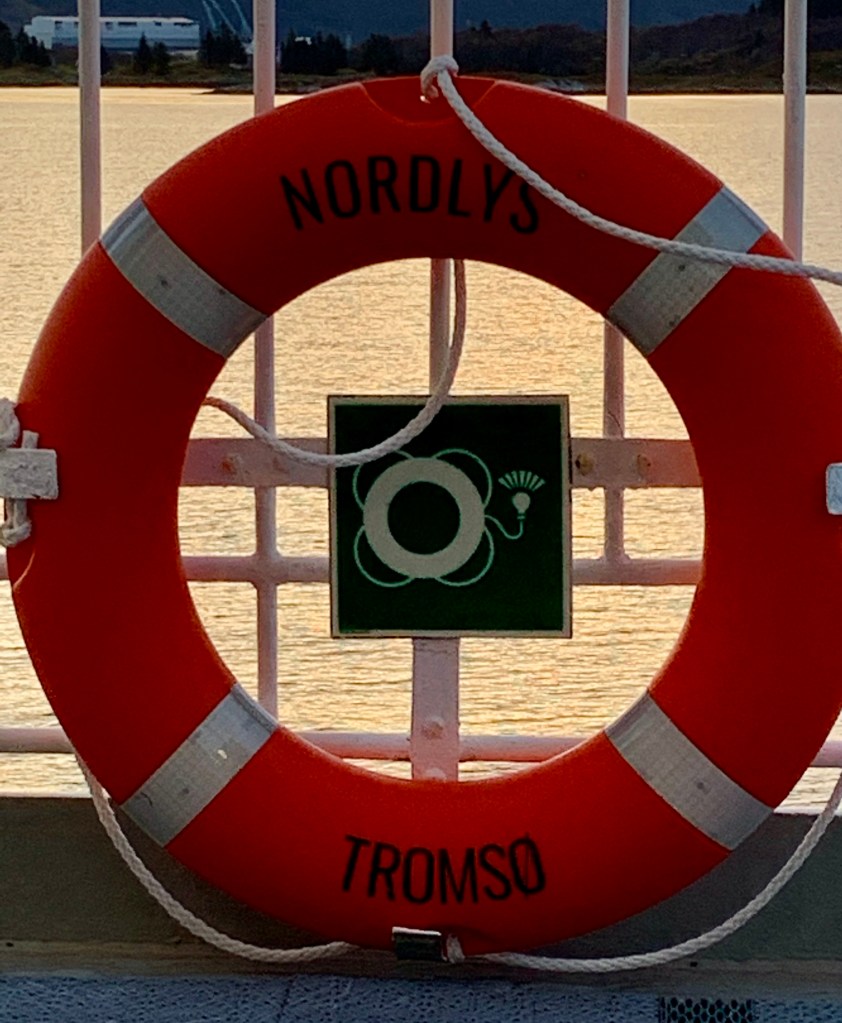
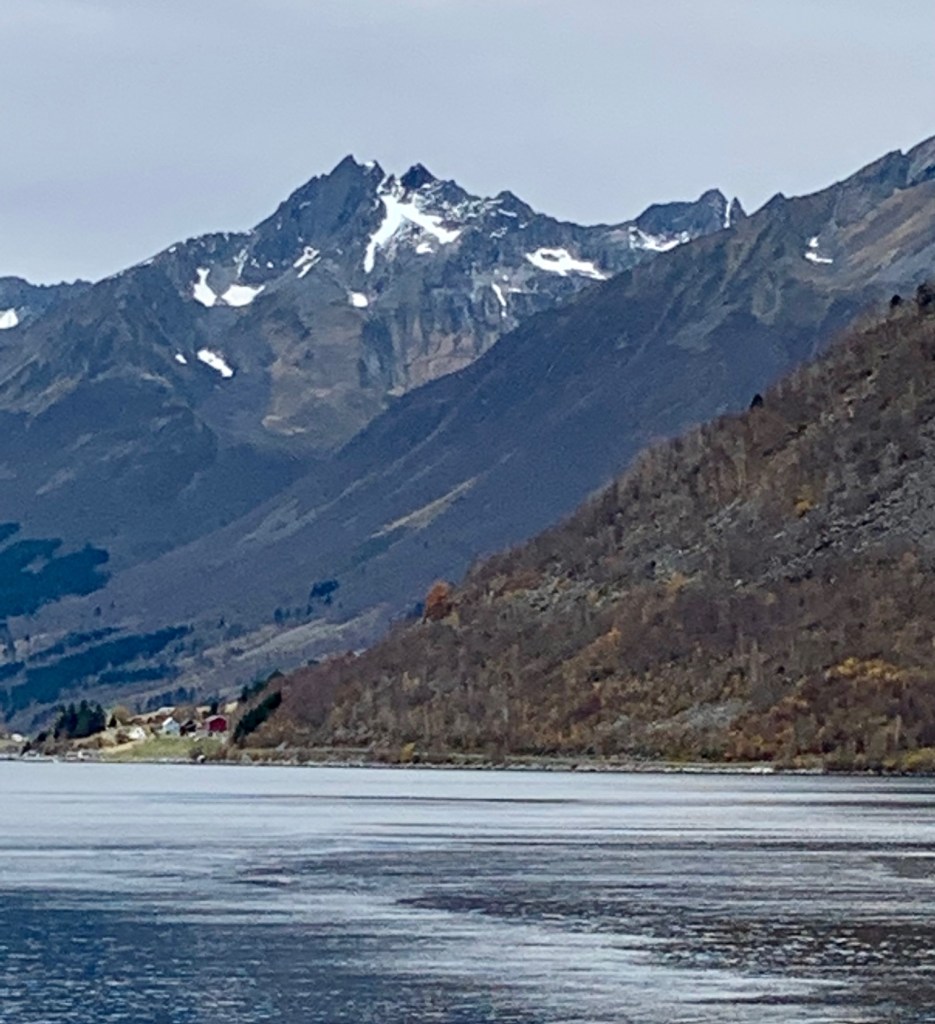
from the ship today,
And just like that there were snowcapped mountains.
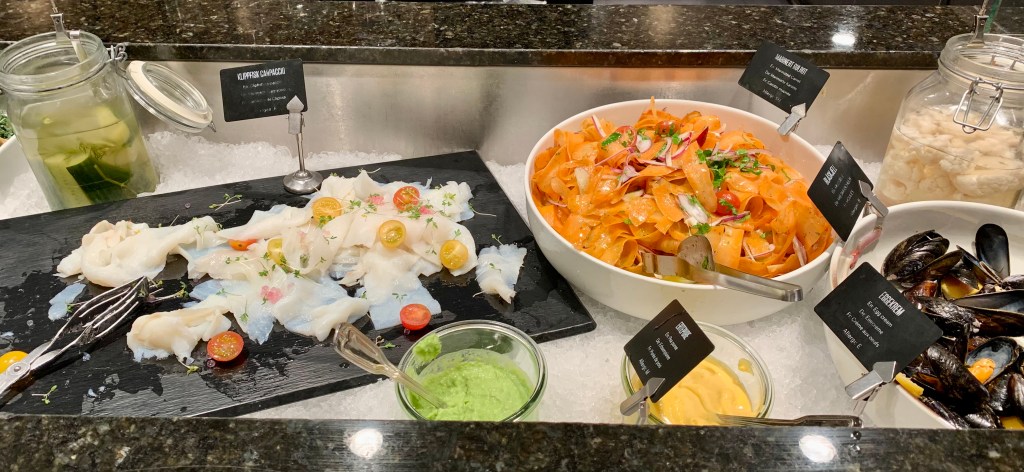
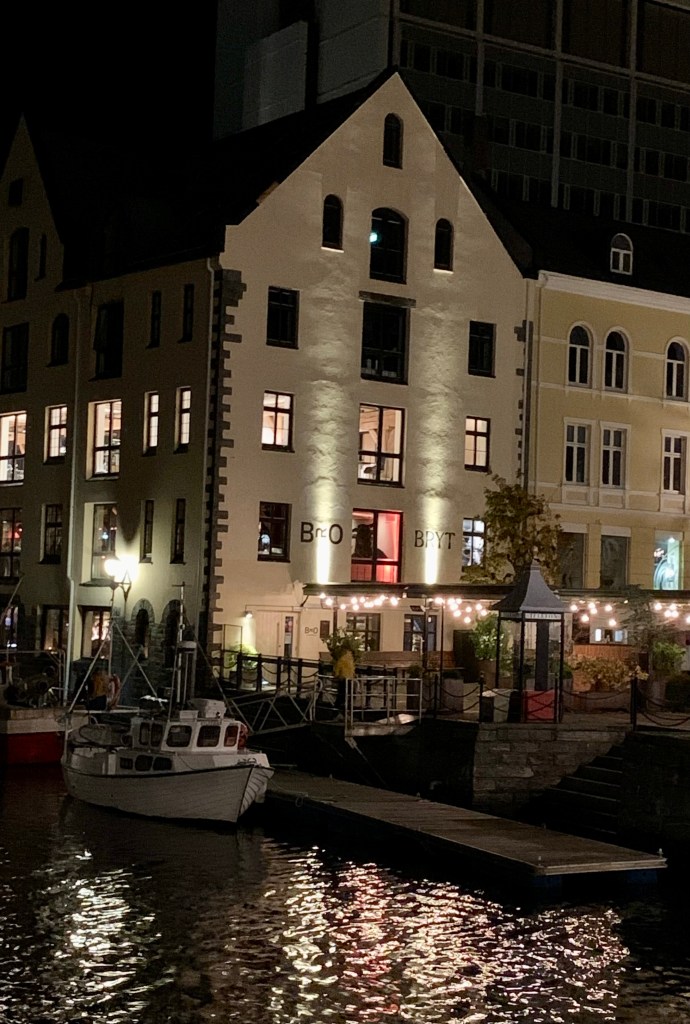
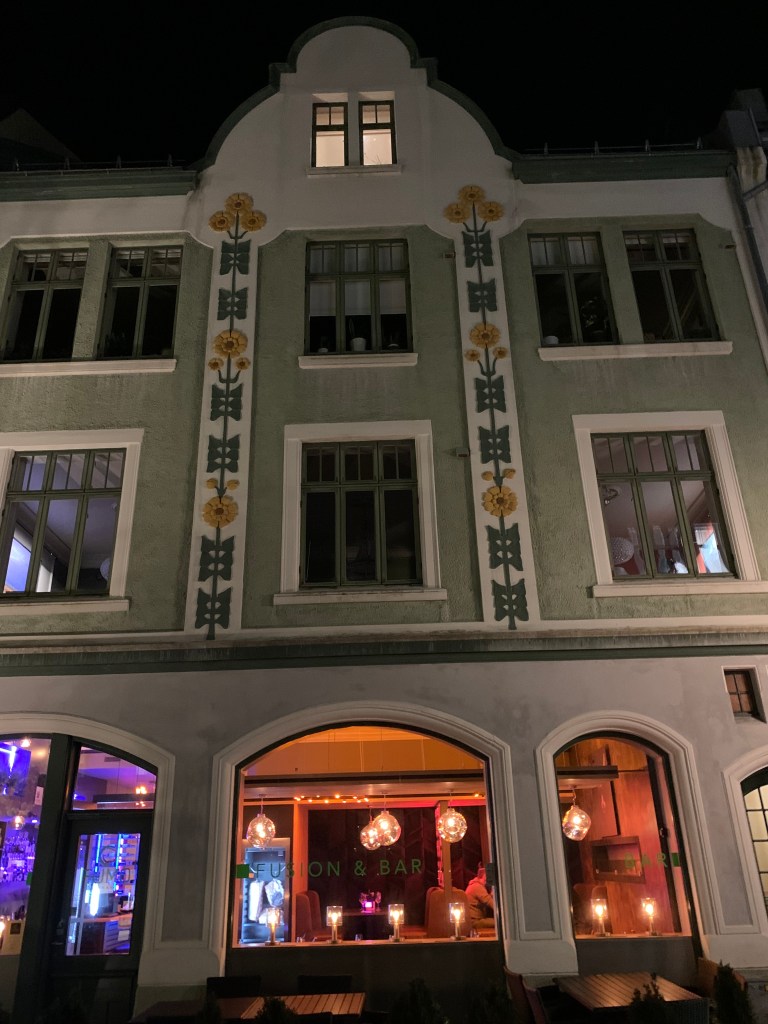
Pictures from dinner and Alesund,
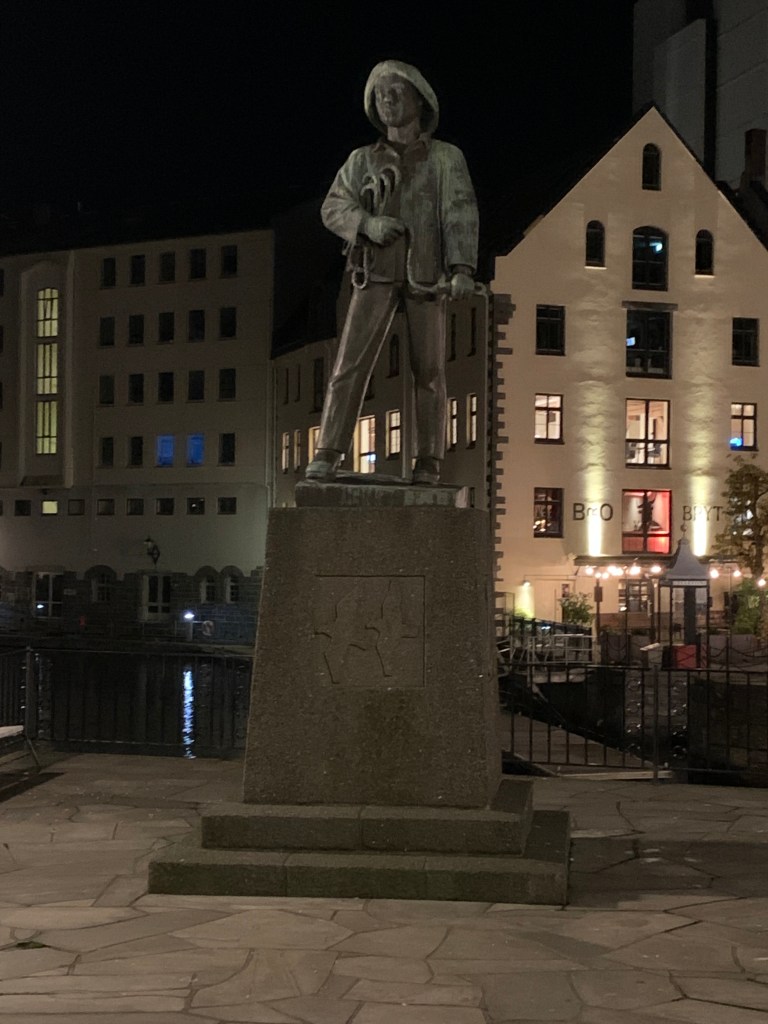
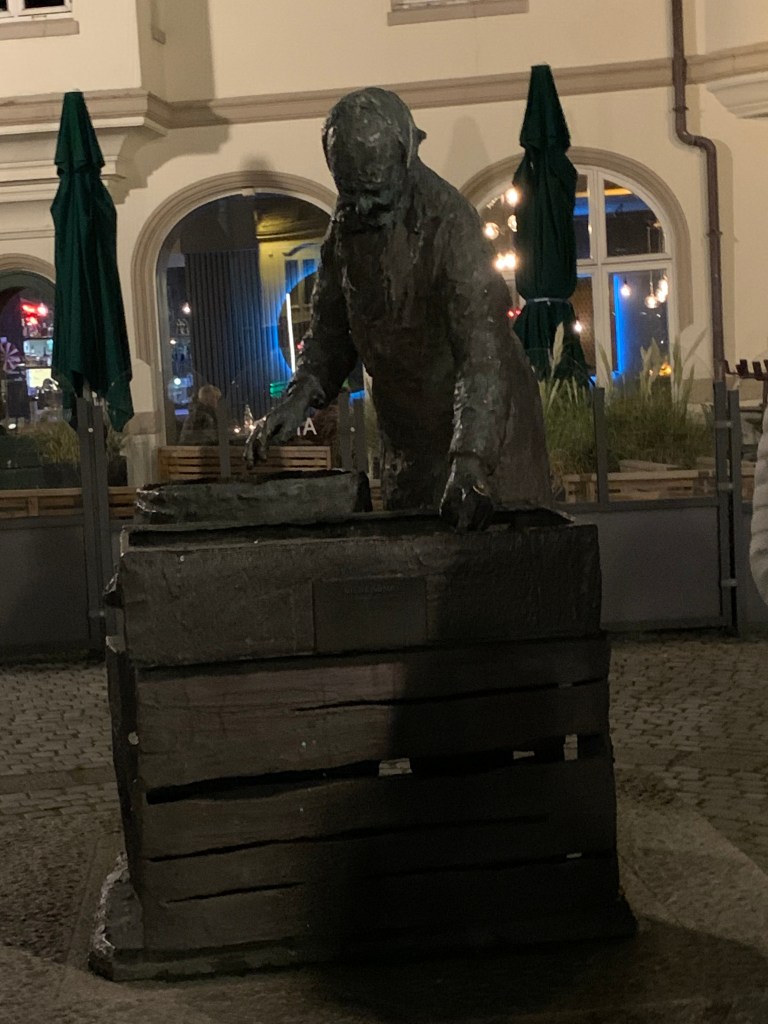
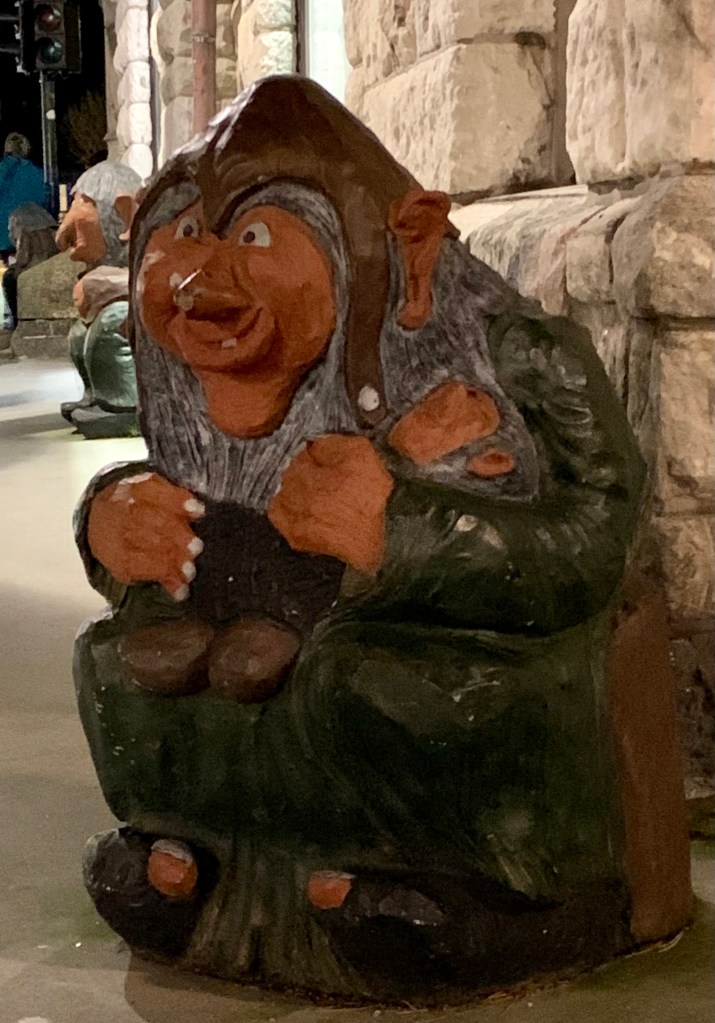
Klippfish carpaccio, marinated carrots and mussels. Fish for this evening’s dinner. Klippfish, dried and salted cod–excellent!Walking tour was at 6PM this evening.An original wooden home. Pre 1904.Most narrow building in Alesund.Thistle flowers adorn this building.Sculpture of the fisher boy overlooking Alesund harbor.Statue of a fisherwomen sorting through a days catch of fish.From Fjords to Trolls.A Viking owl.Sunflower home. Colors were added in the 1970s.
Bergen is the second-largest city in Norway but offers small town charm alongside its metropolitan character. Bergen is the Gateway to the fjords of Norway. As a UNESCO World Heritage City and a European City of Culture, the Bergen region has the ideal combination of nature, culture and exciting urban life all year around. Here is where I board my northern lights cruise at 6PM this evening. Oh, by the way, it rains here on average 238/days year.
Leisurely breakfast with Mike yesterday morning. Then flew from Gdansk to Amsterdam; Amsterdam to Bergen. Upgraded again. I may never be able to go back to coach seating.
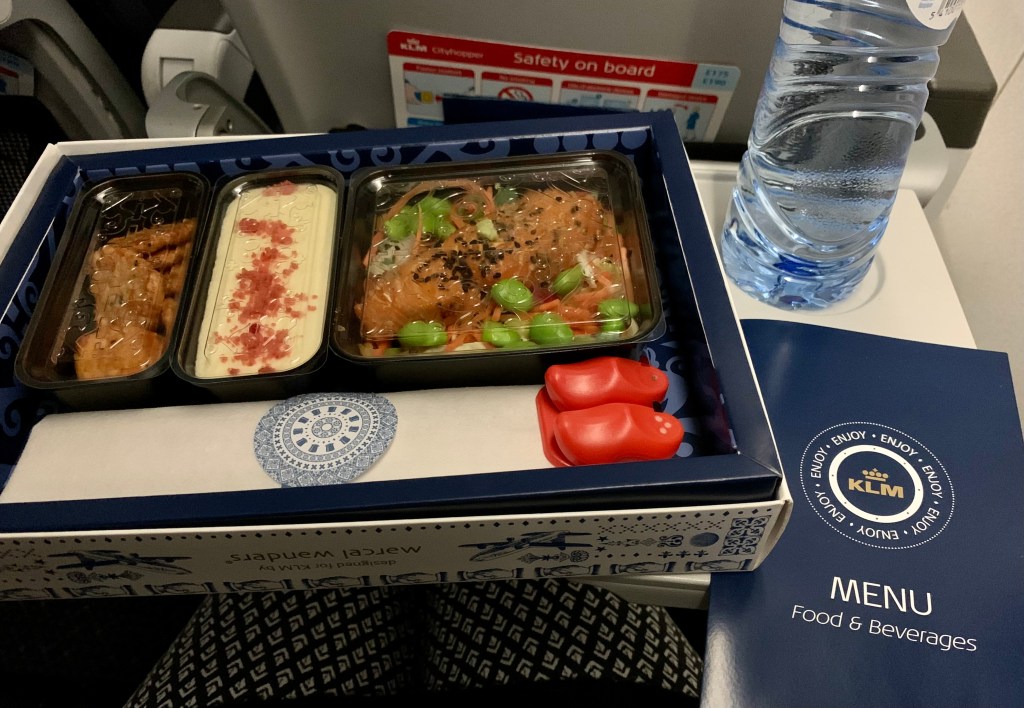
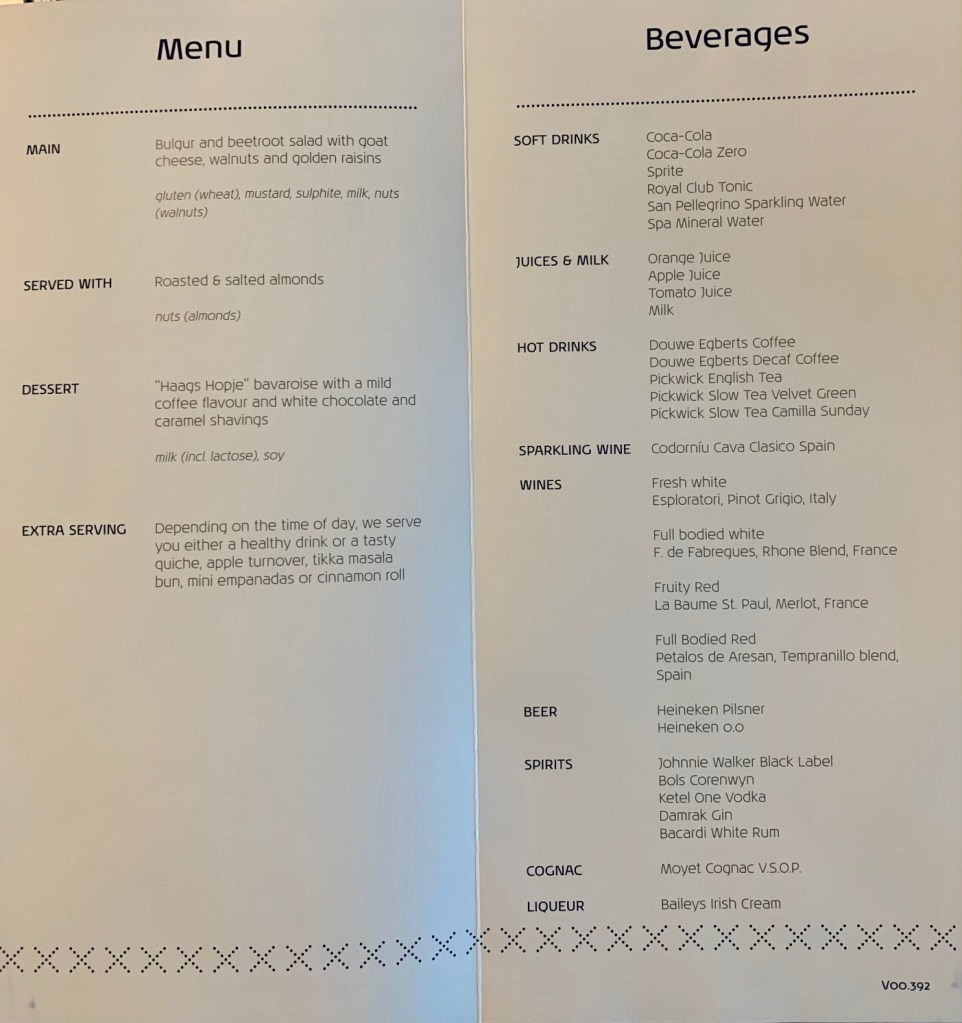
Dinner, Gdansk to Amsterdam.Snack, Amsterdam to Bergen. The beetroot salad was excellent.
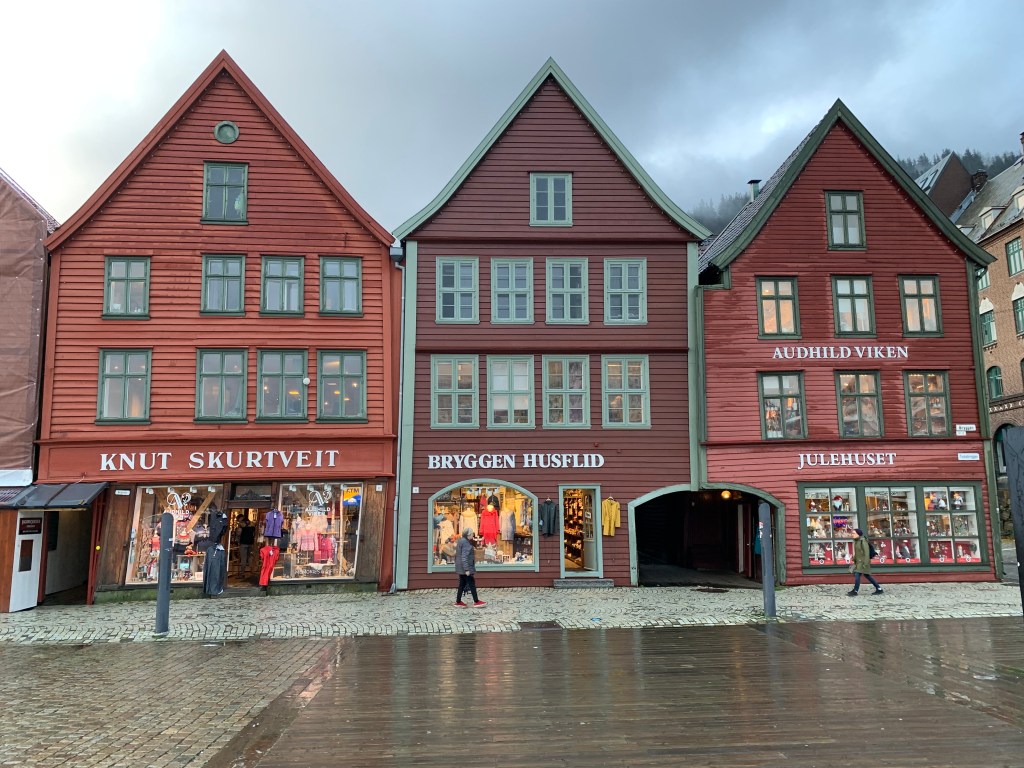
I spent last evening at the Clarion Hotel Bergen–got in just before midnight. It is in the heart of Bergen–historical dock area called Bryggen, easy walk to Floibanen funicular railway, St. Mary’s Church and the Torgallmenningen square.
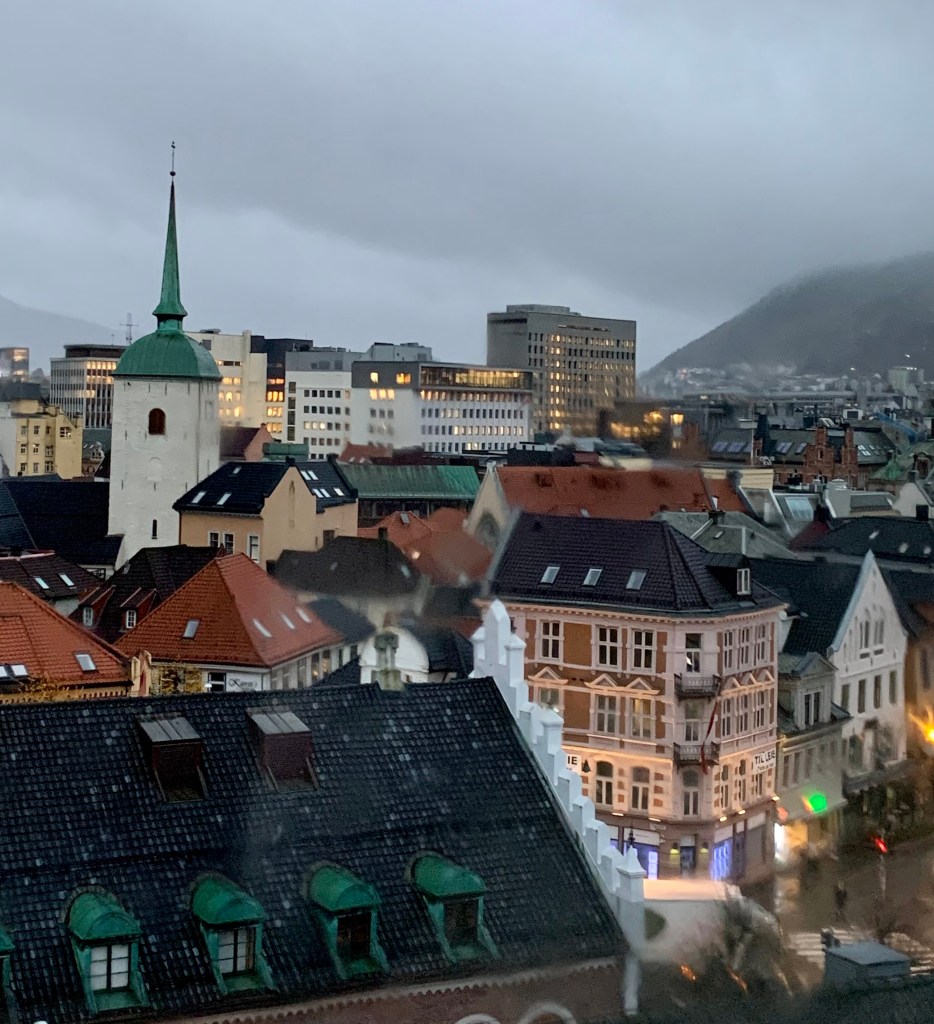
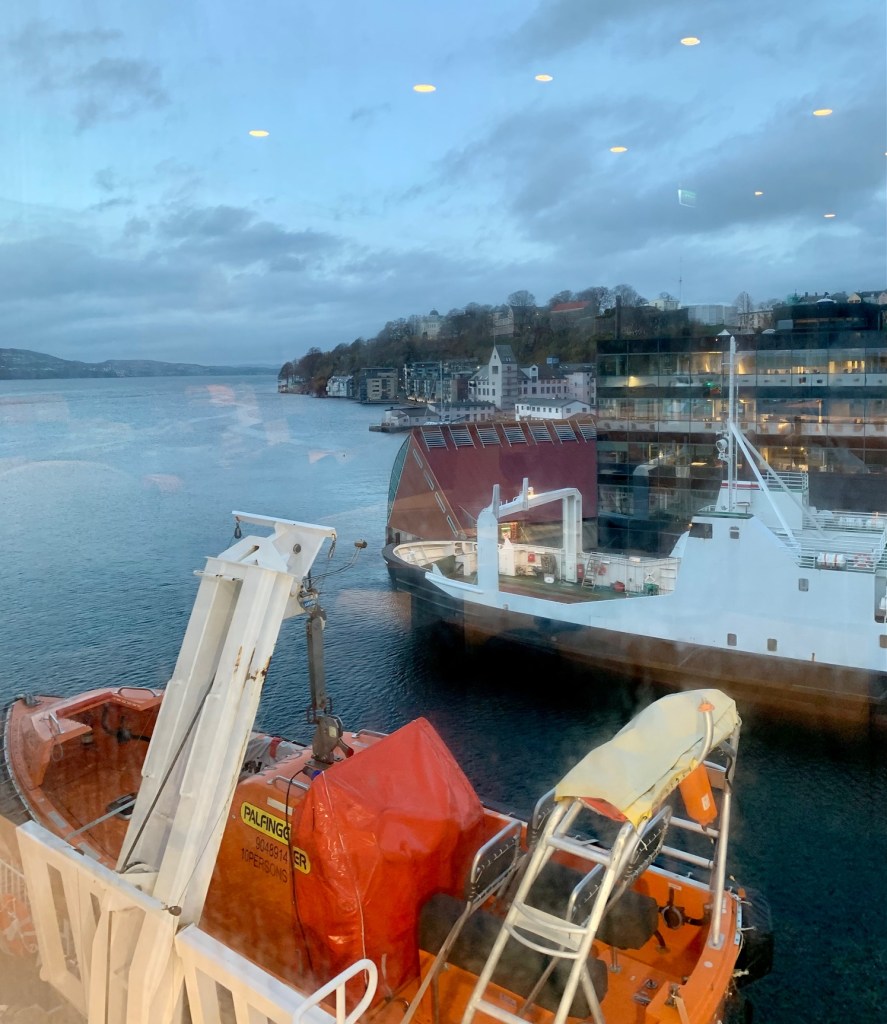
View from my room this morning. Those are raindrops on my window. ; )
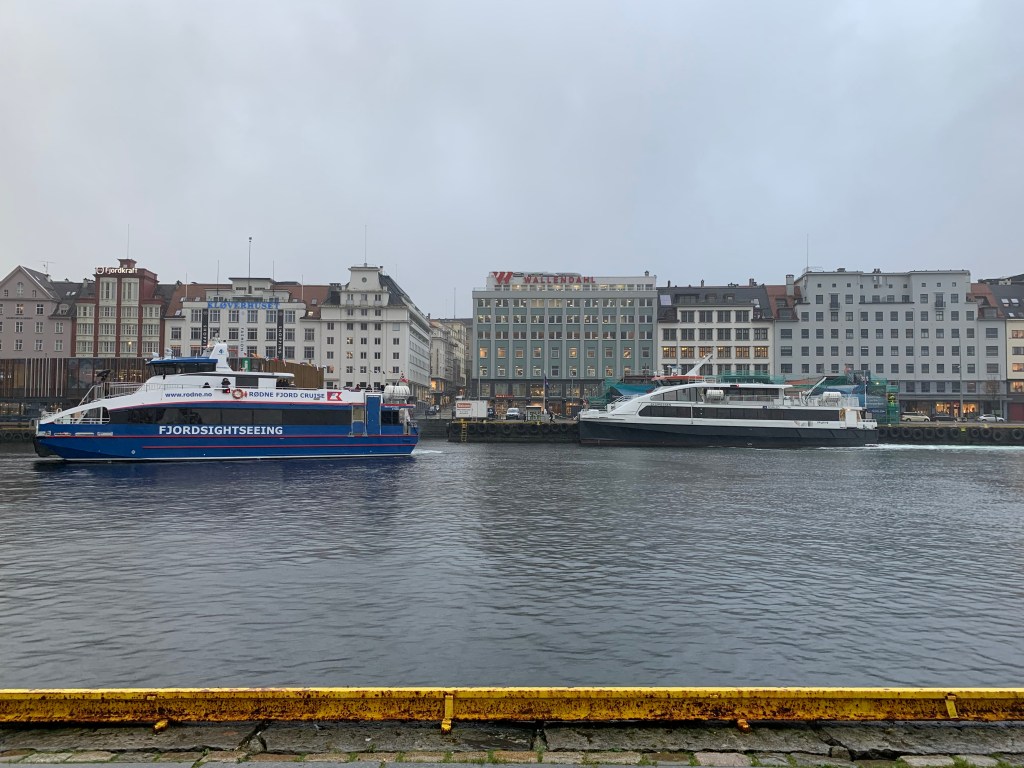
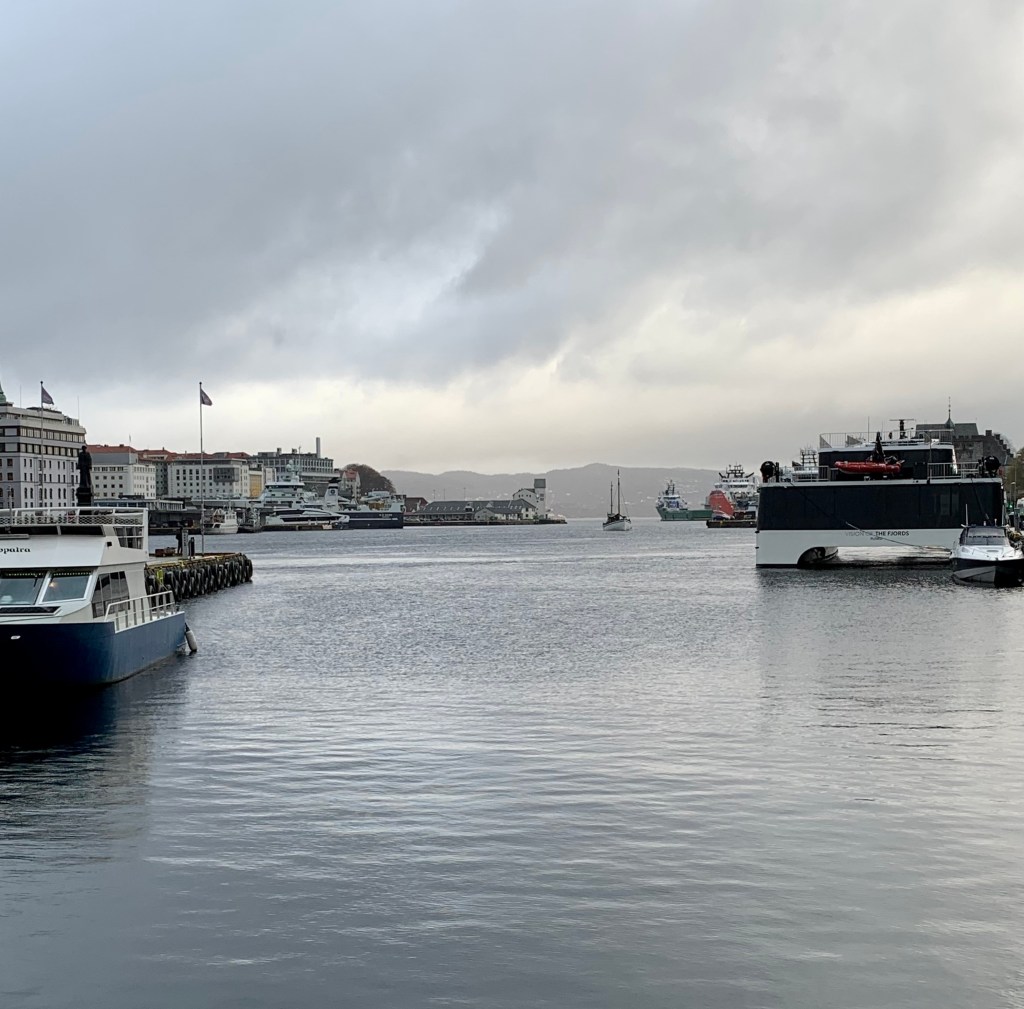
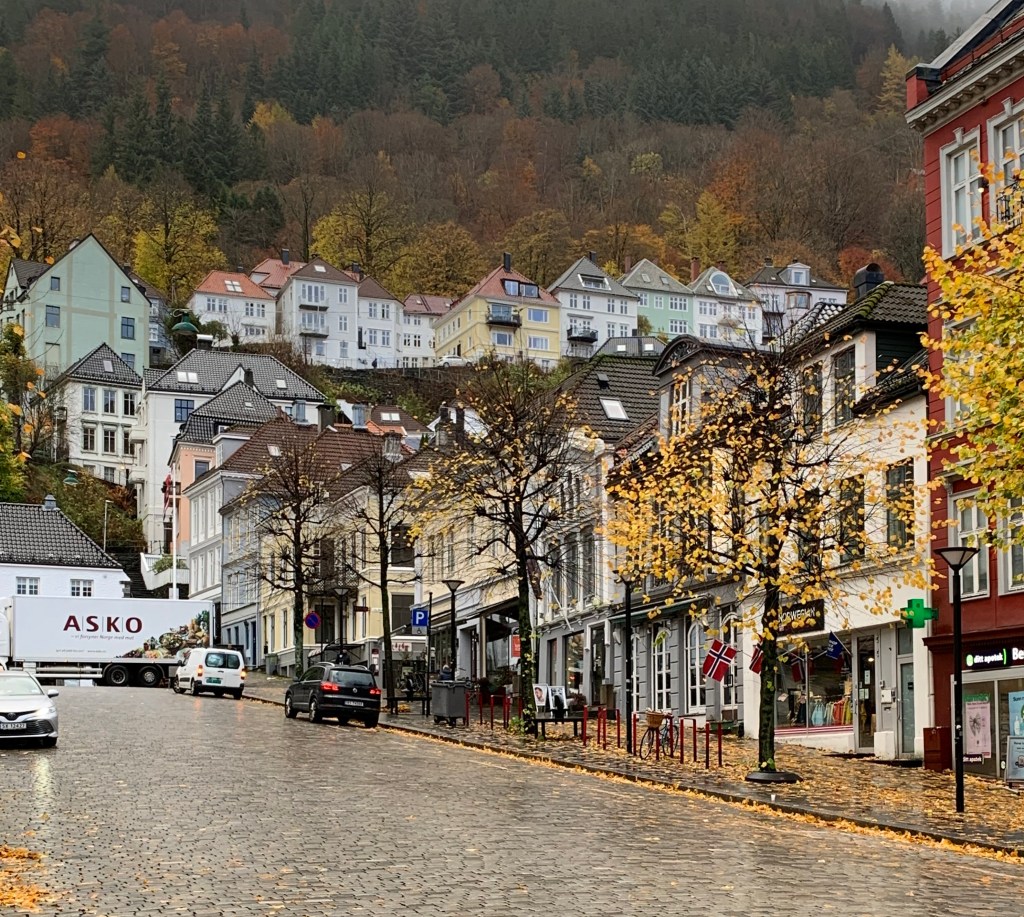
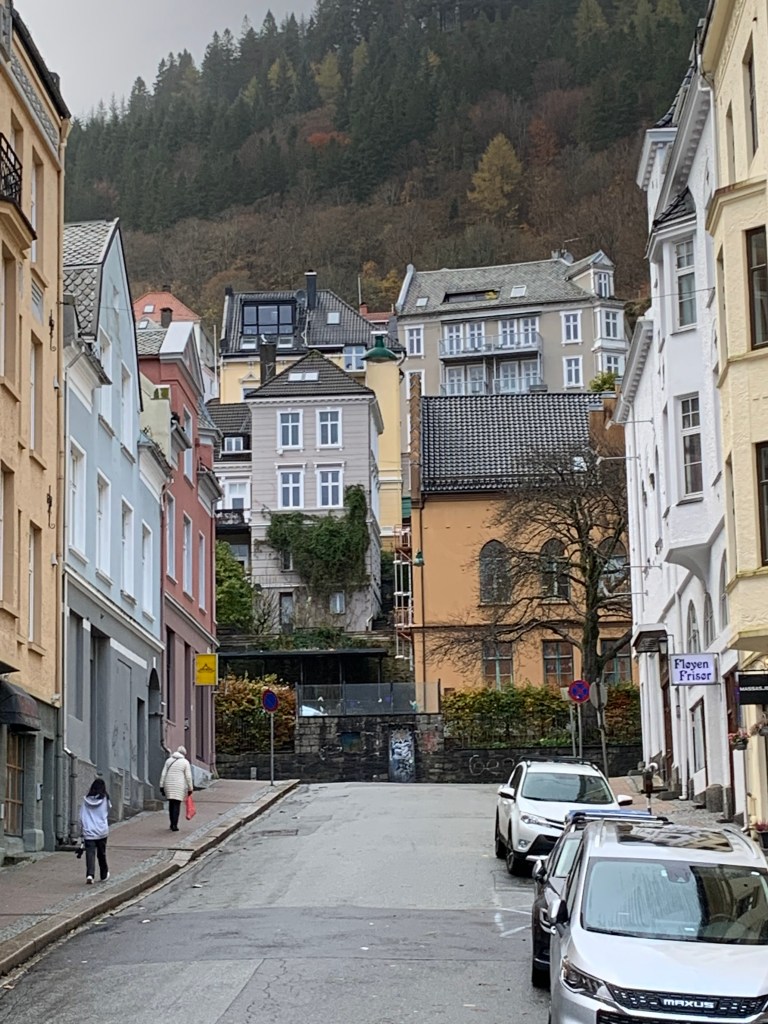
My morning stroll. Of course, it was drizzling during most of my walk, but at least it was not too cold. Some pictures from my walk.
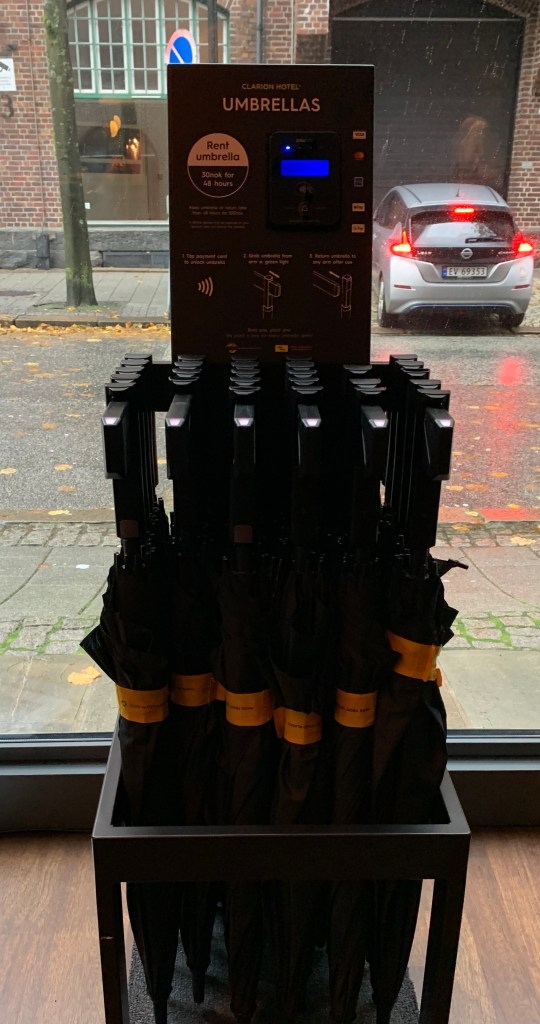
It rains so often that the hotel rents umbrellas.
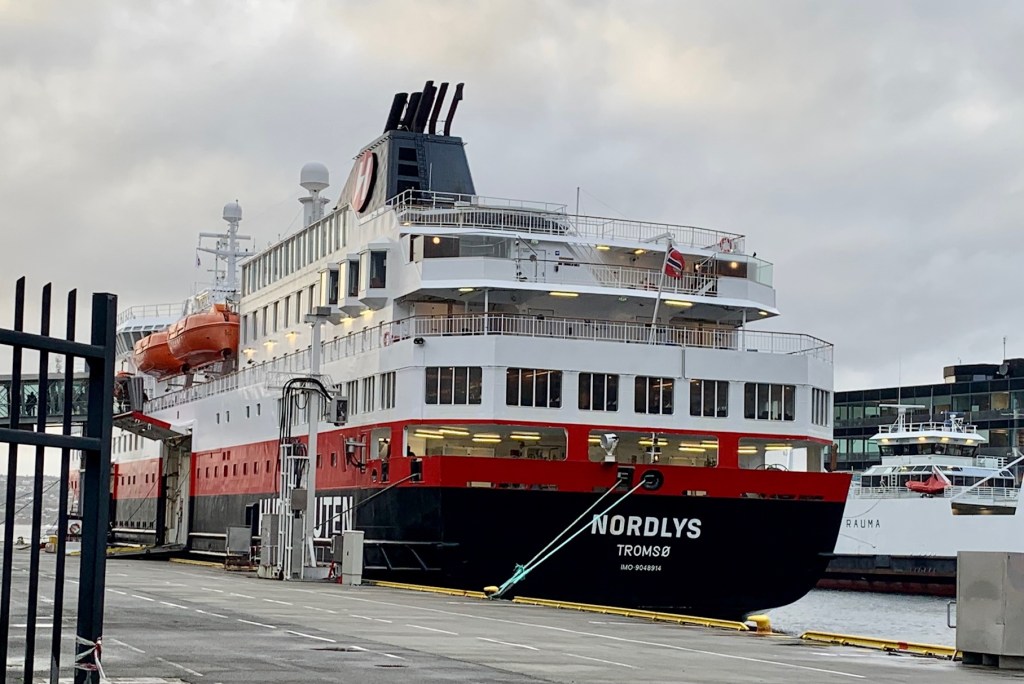
Cruise ship; and we’re off. Well really not quite, we start moving about 8:30PM Bergen time. But I have checked in, gotten to my cabin, unpacked and had dinner. Buffet style this evening because of boarding.
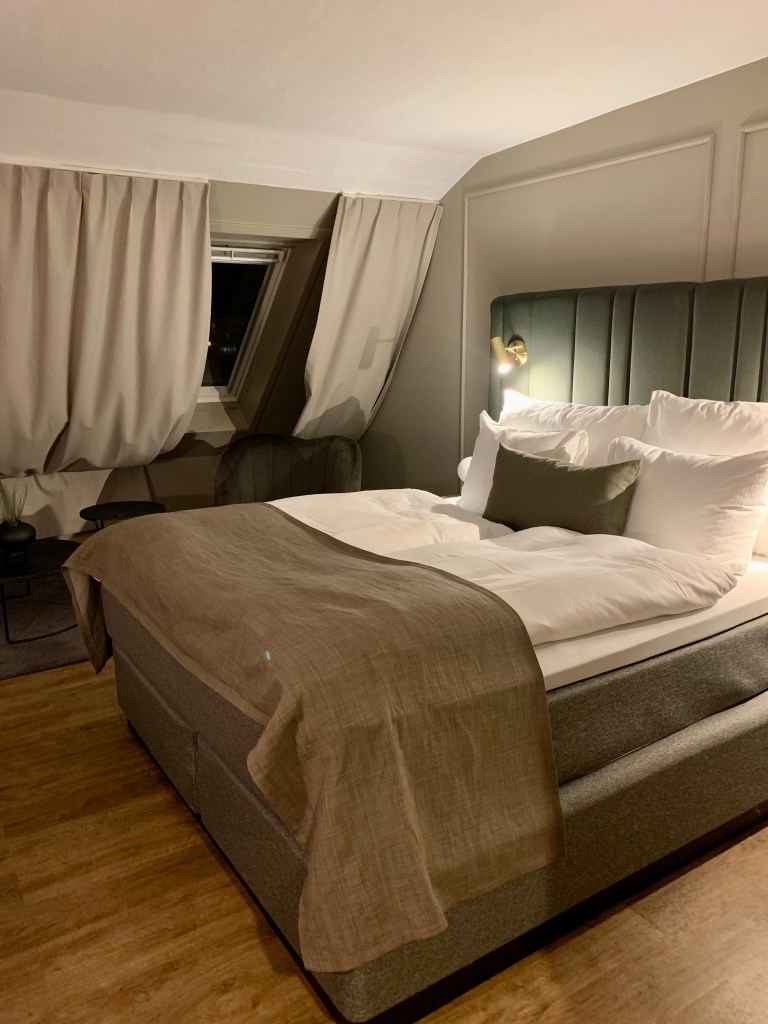
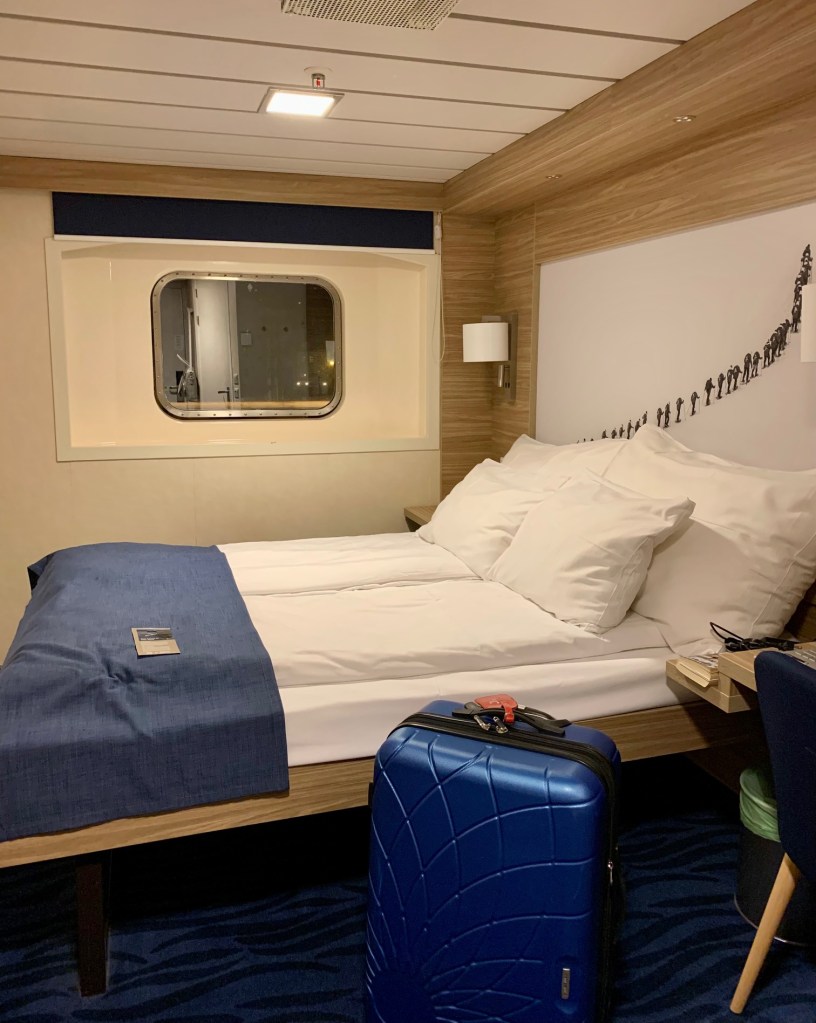
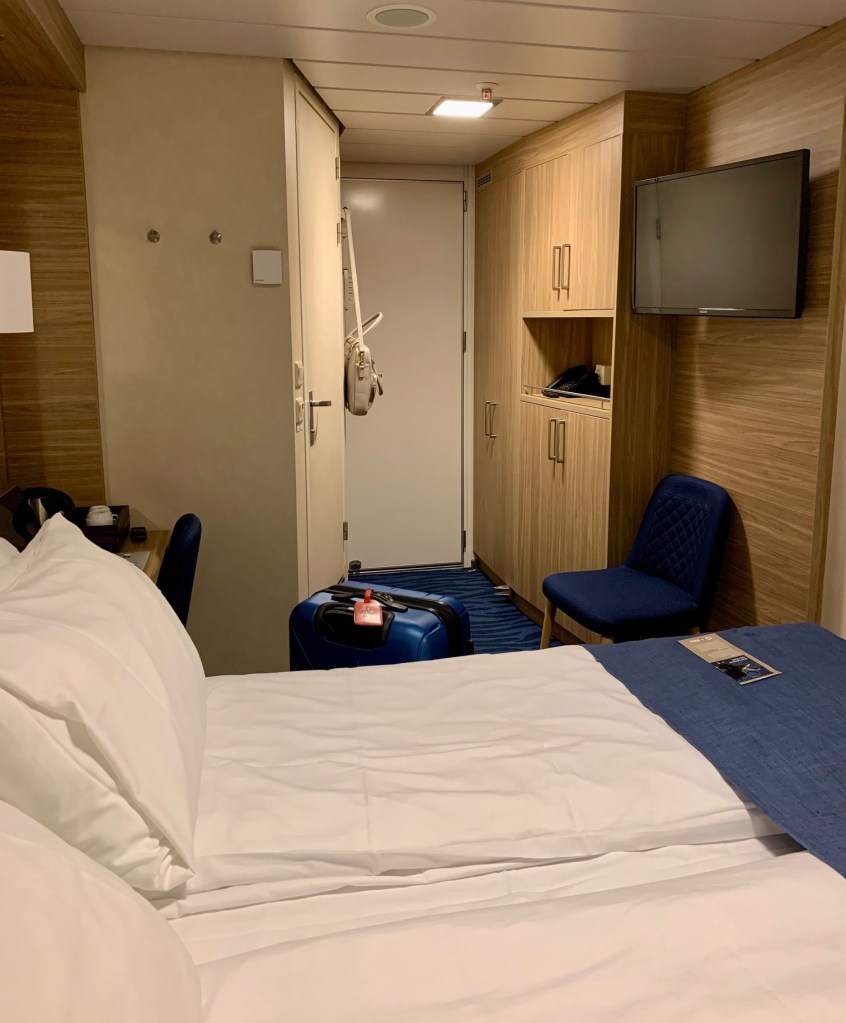
My room. It’s nice(ish), but there is no way this room accommodates two people!
for full disclosure, I have had my first few bumps-in-the-road–getting from Bergen airport to hotel (very late last night) and hotel to cruise ship. Hurtigruten lacks a bit in customer service and easy to navigate documentation–and I heard this from a few others during check-in. I have been in Europe for three weeks and I have not had one issue until Hurtigruten/Bergen. And quite frankly, I don’t even know what to expect tomorrow morning. However, during dinner this evening, I did upgrade to the better wine package. : ) Hey, maybe I will finally just sleep in and have a totally relaxing day. But with a lovely stroll around Bergen this morning and if we see the northern lights, all will be forgotten!
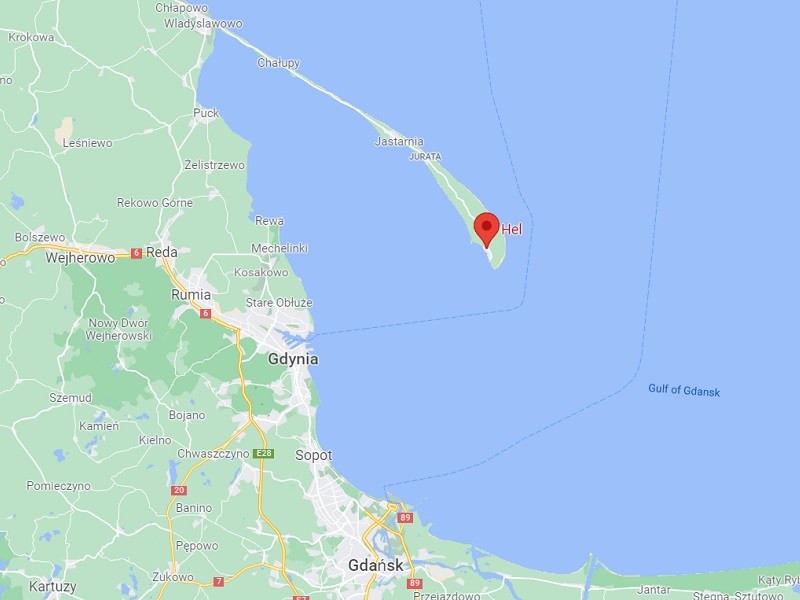
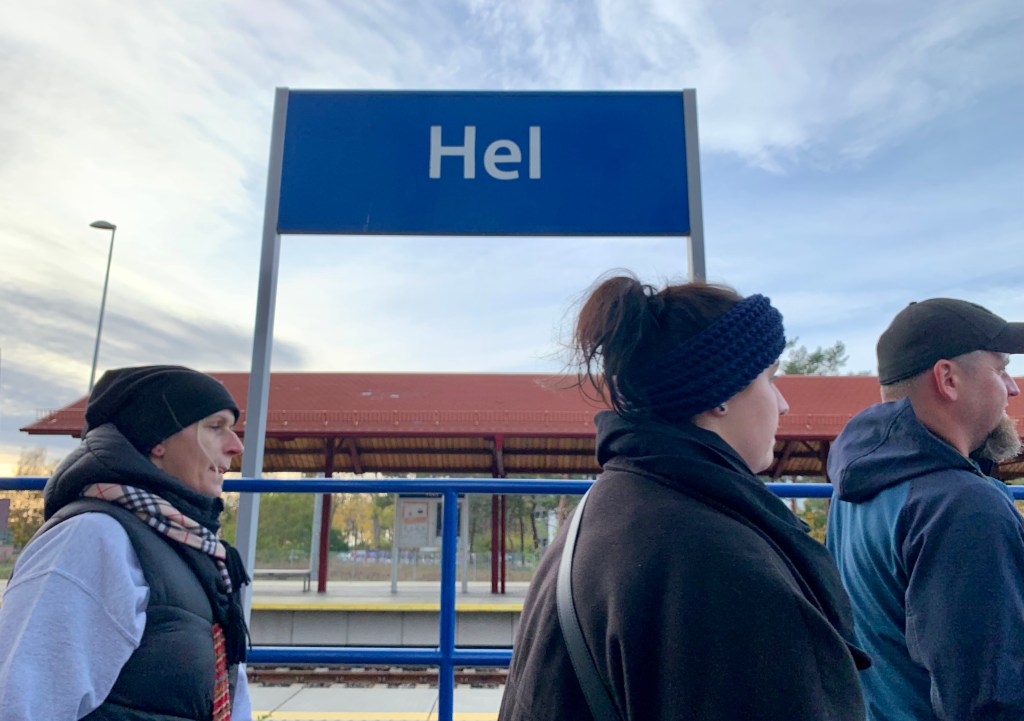
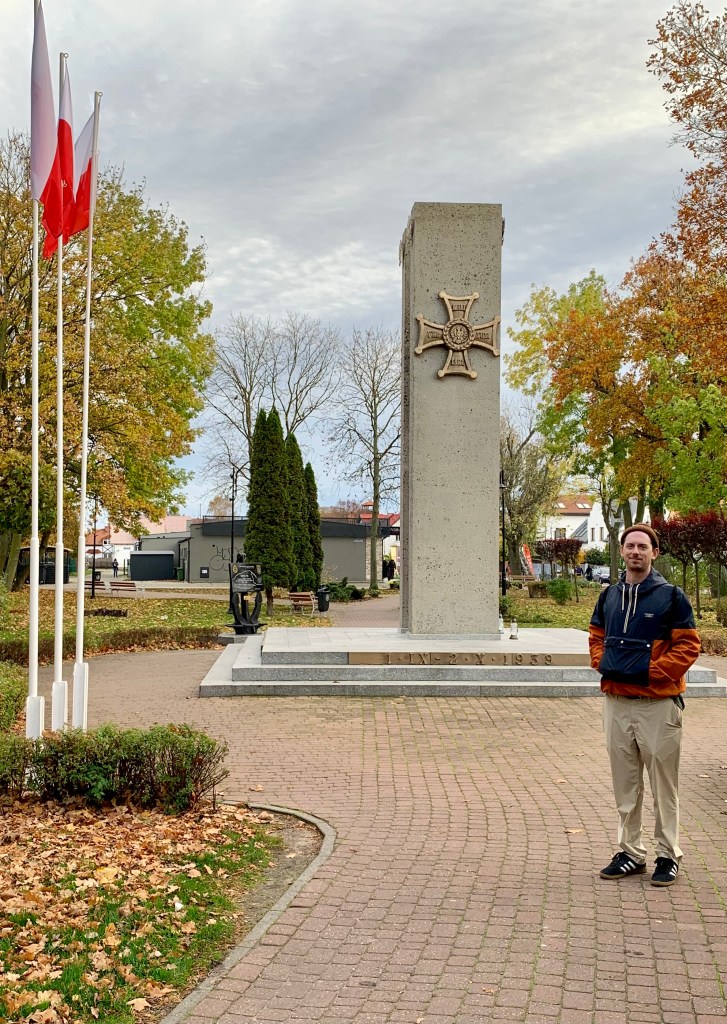
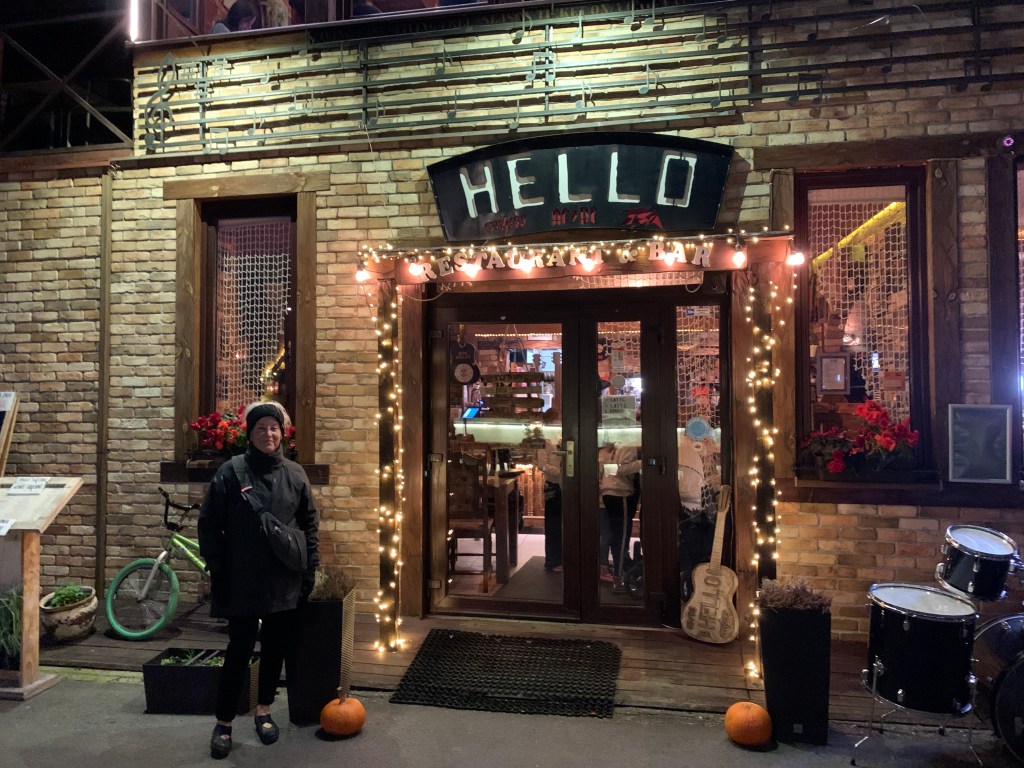
Before World War II it was decided to limit access to the town and the peninsula in order to create the Fortified Region of Hel, a strategic defensive point. After the aggression of Germany on September 1, 1939, Hel became famous as one of the heroically and long defended regions of Poland. The city was liberated in 1945, and after the war it grew not only as a fishing port, but also as one of the most popular Polish holiday resorts.
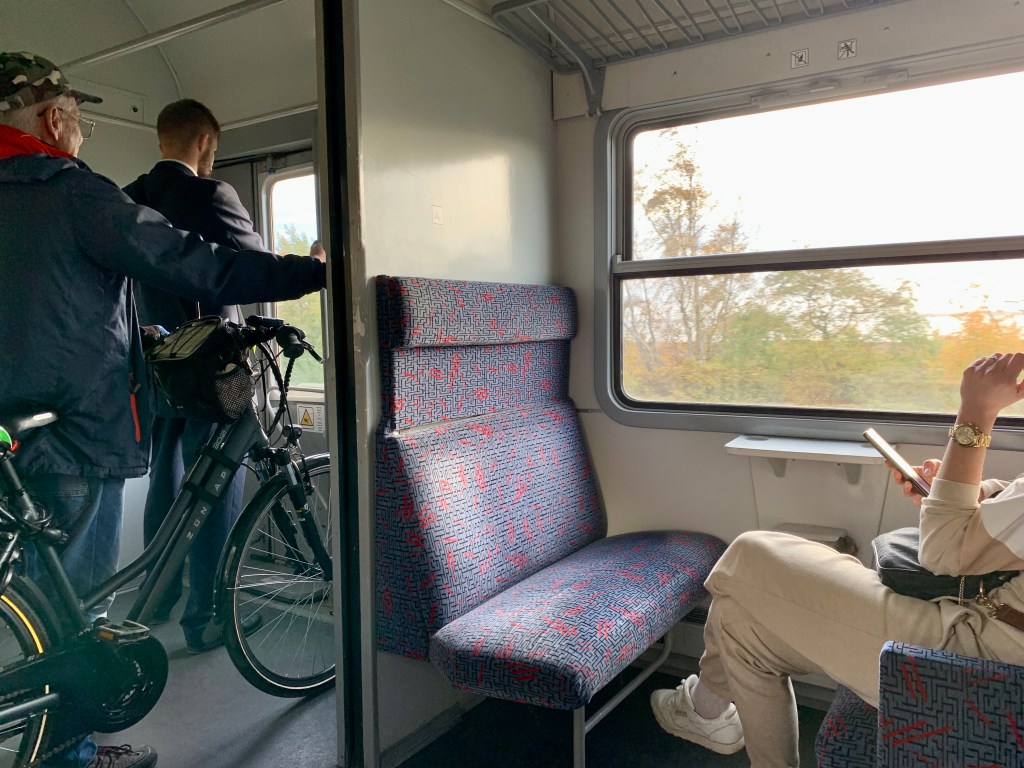
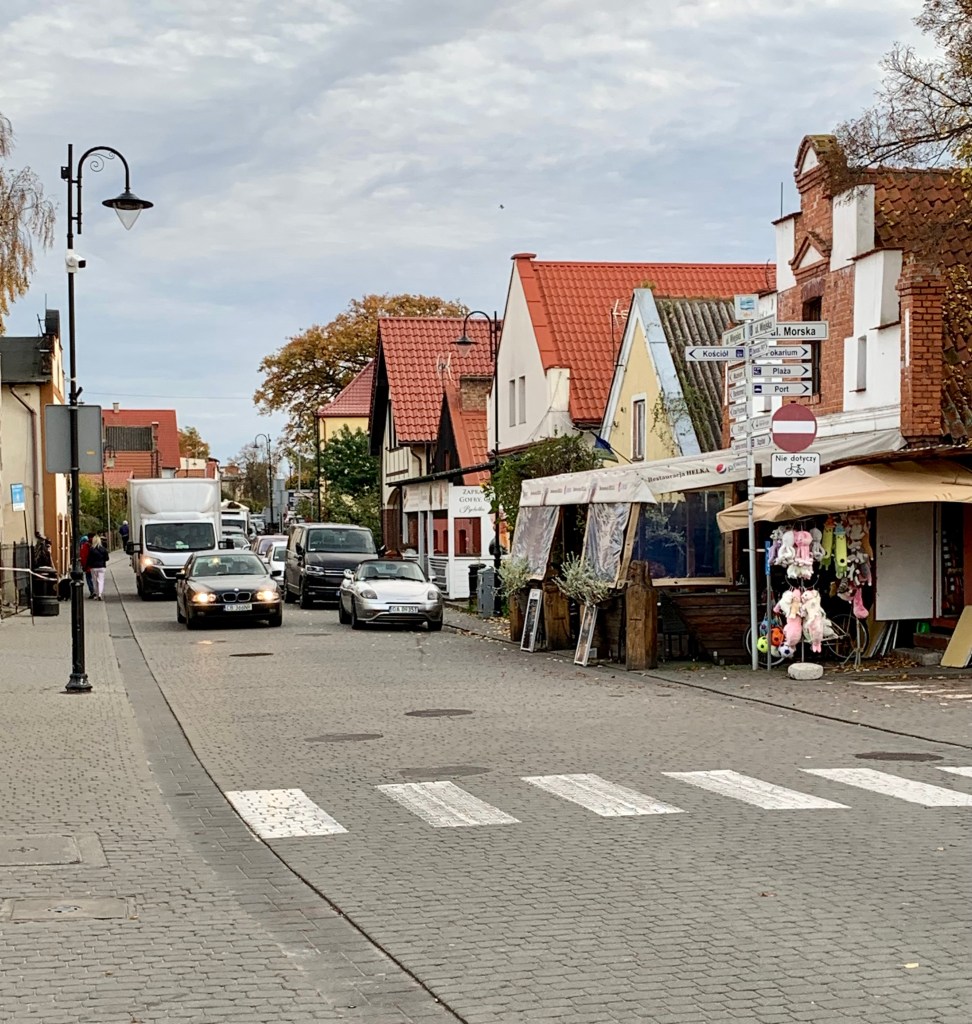
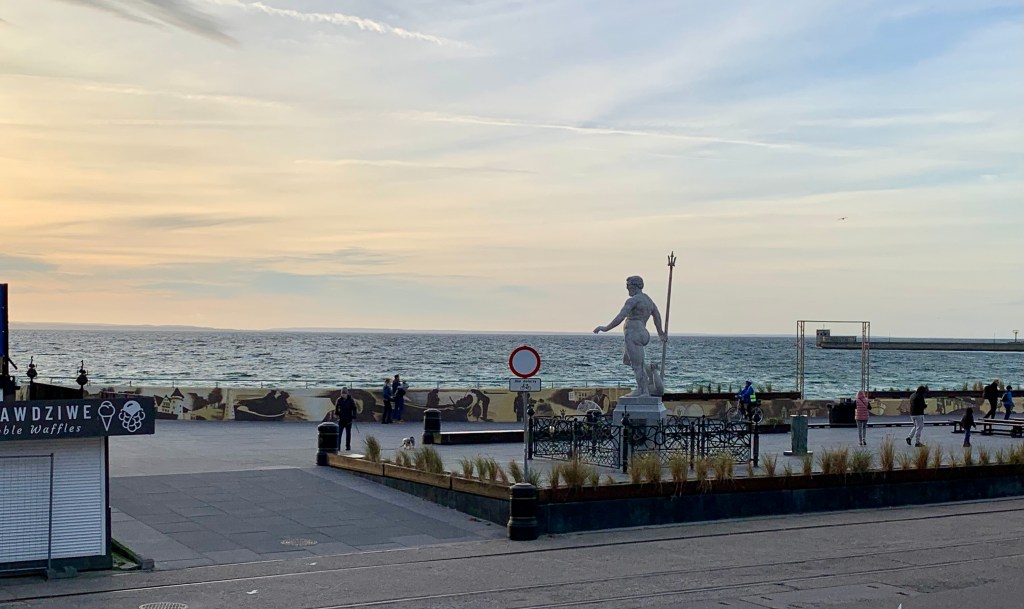
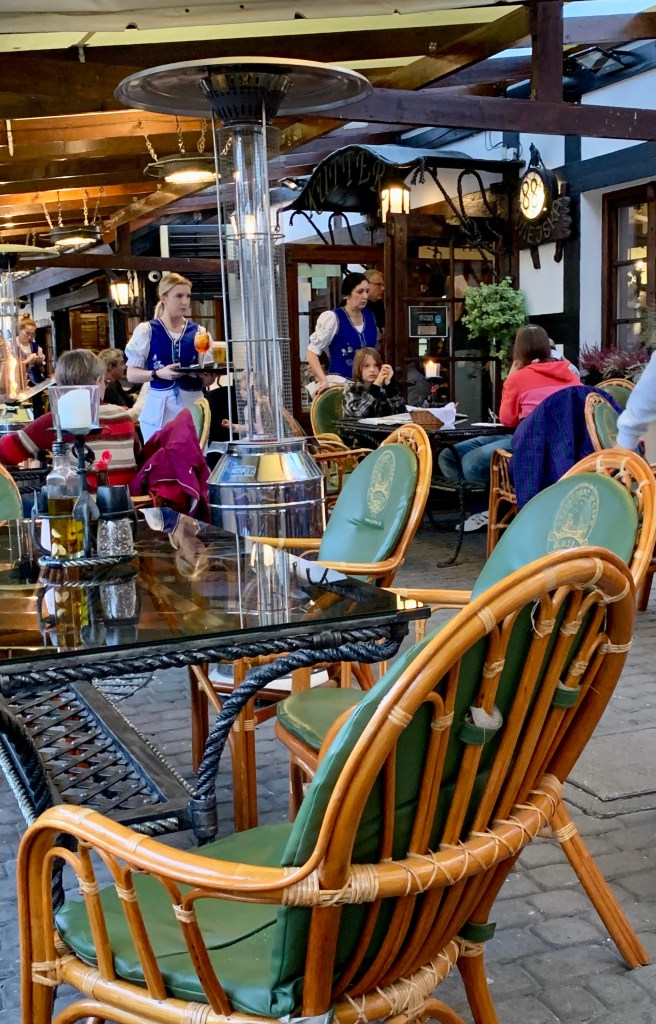
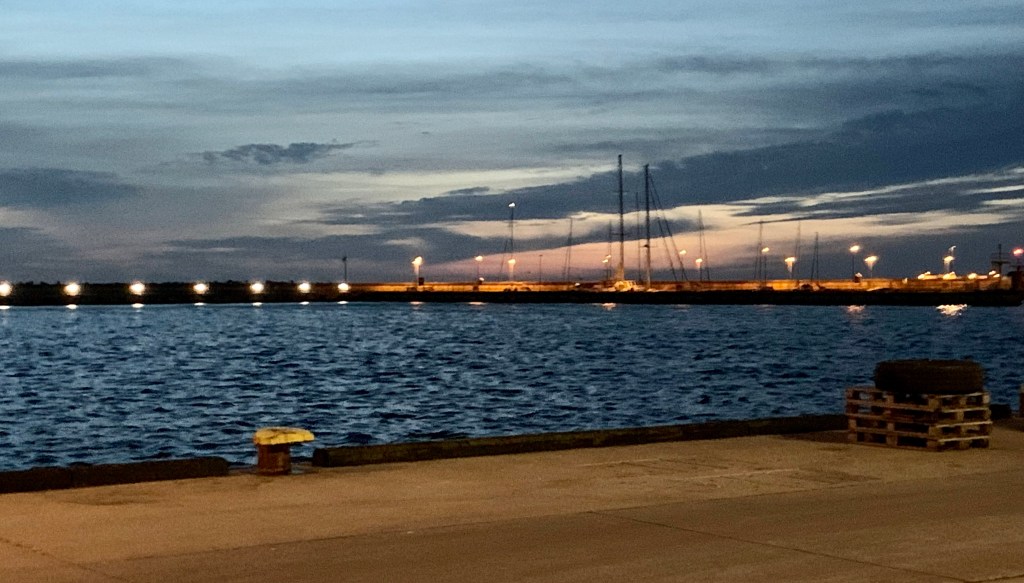
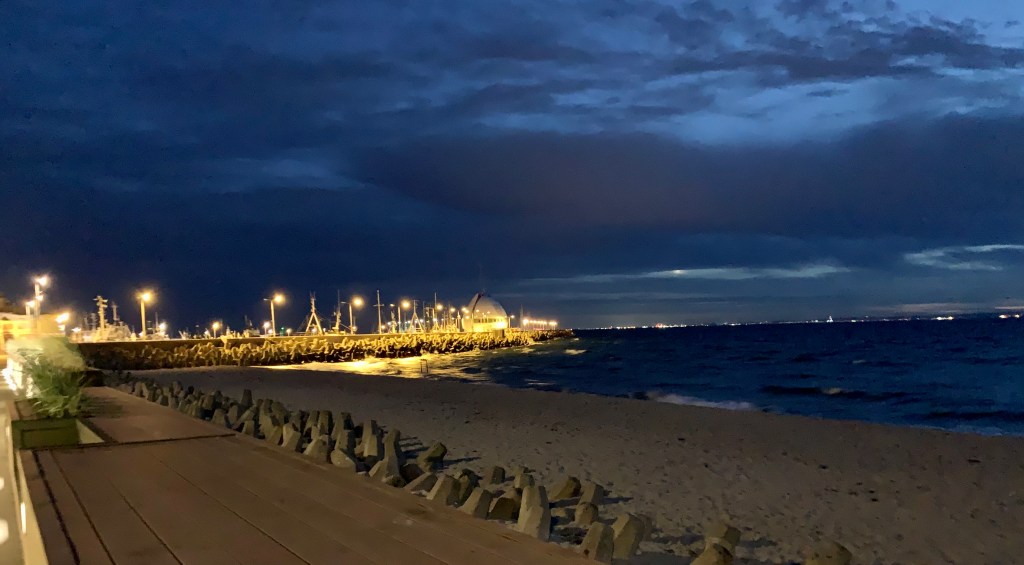
The road, well actually the train to Hel. Almost there. You can see the Baltic Sea from the train during the last few stops.Mike in front of the memorial commemorating the Polish defenders of the Hel peninsula who fell during heavy fighting in 1939.Downtown Hel.Seaside monument of Neptune in Hel. Check out the butt on him!Dinner at Kutter in Hel.I was so hungry I forgot to take pictures of the food. For our appetizer, we split a calamari salad served with pepper, onions, and toast; it was delicious. I had Baltic salmon grilled, and Mike had cabbage stuffed with Baltic fish stewed in a chanterelle sauce with jacket potatoes and sauerkraut. Yum!Hel at dusk.Hel, early evening.Dobranoc. Saying good night to Hel.
And we’re back. Tomorrow, I leave for Bergen, Norway and my northern lights cruise. Fingers crossed that I get to see the northern lights.
Some final pictures taken during my first two weeks in Sopot with Mike. The weather was nearly perfect for my entire stay in Sopot. Hoping for the same(ish) weather when I come back next week.
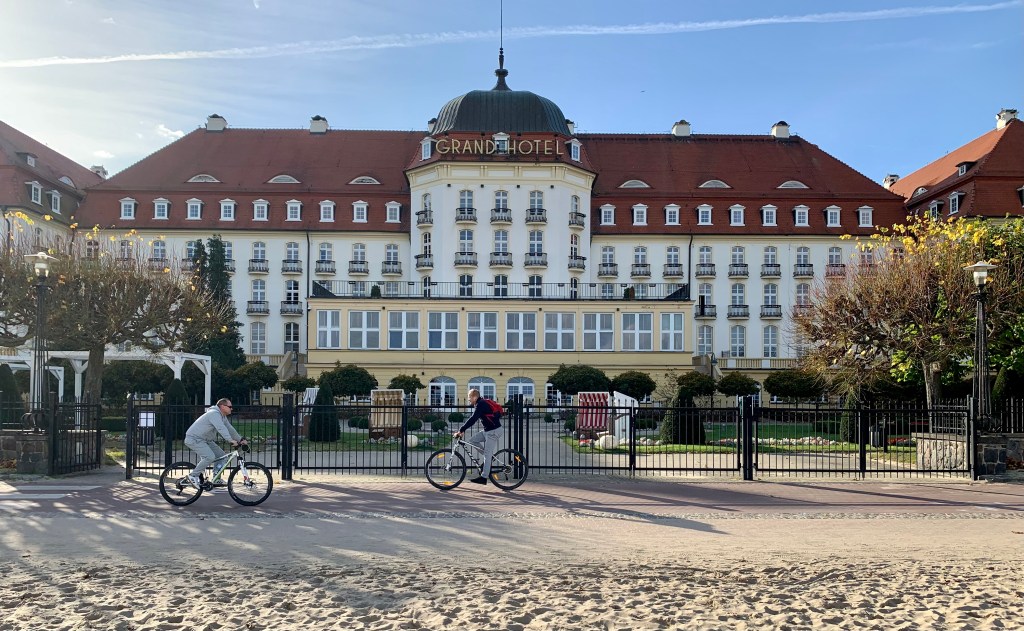
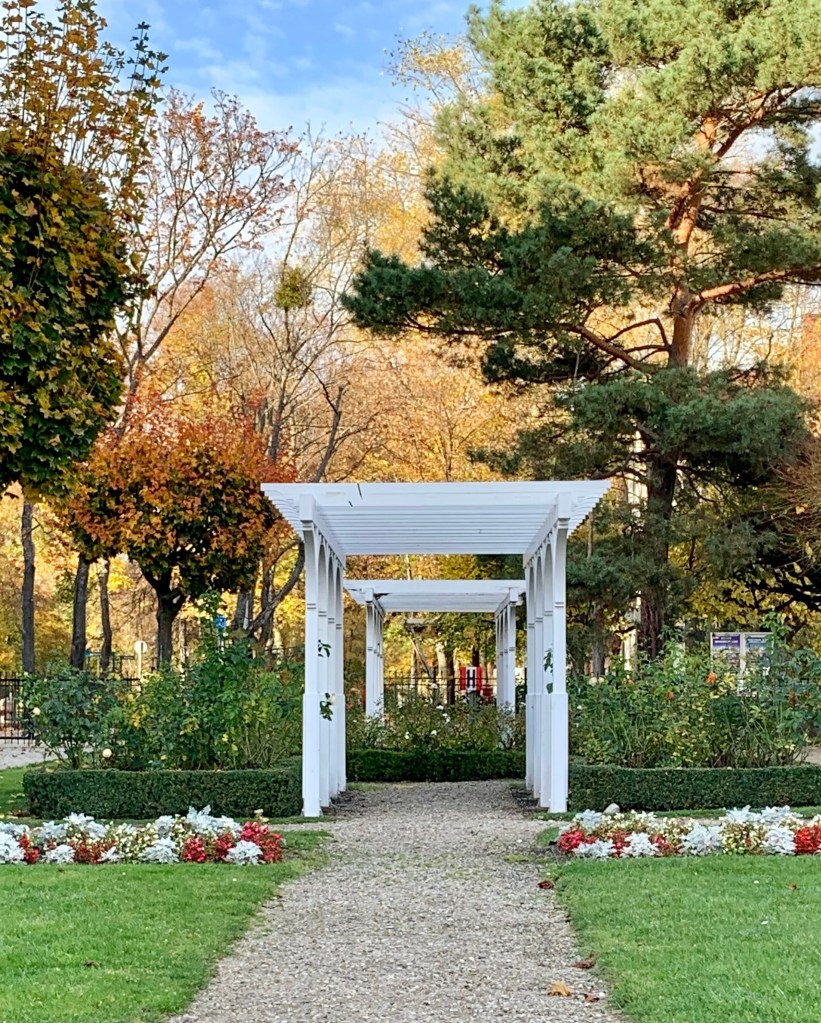
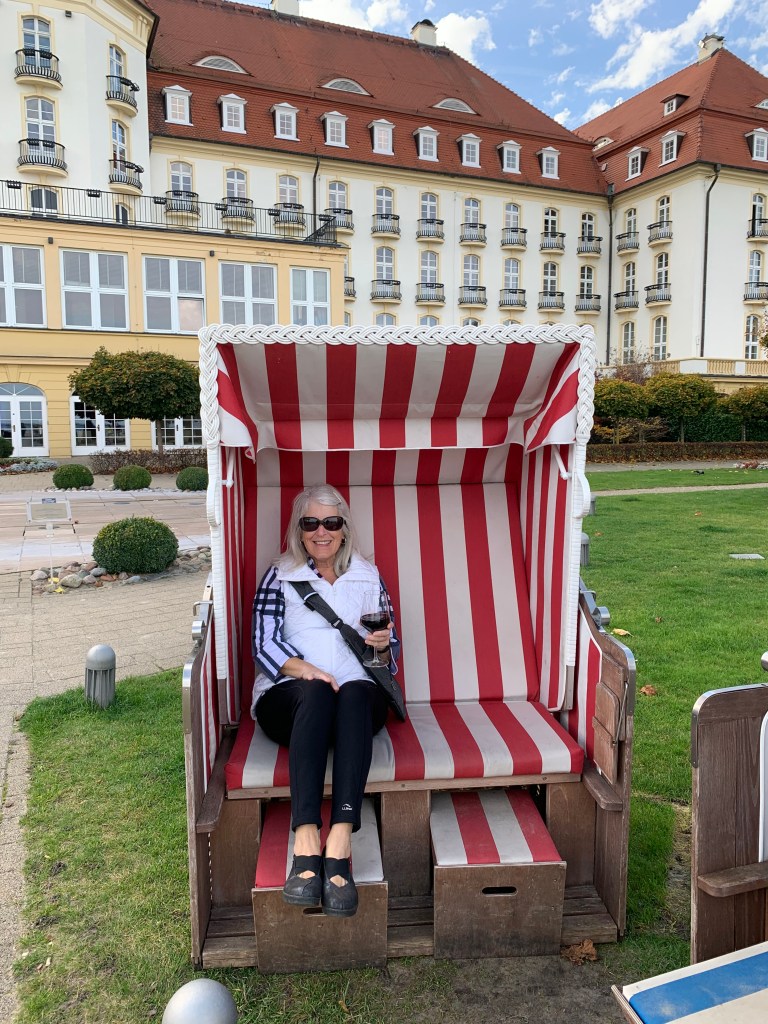
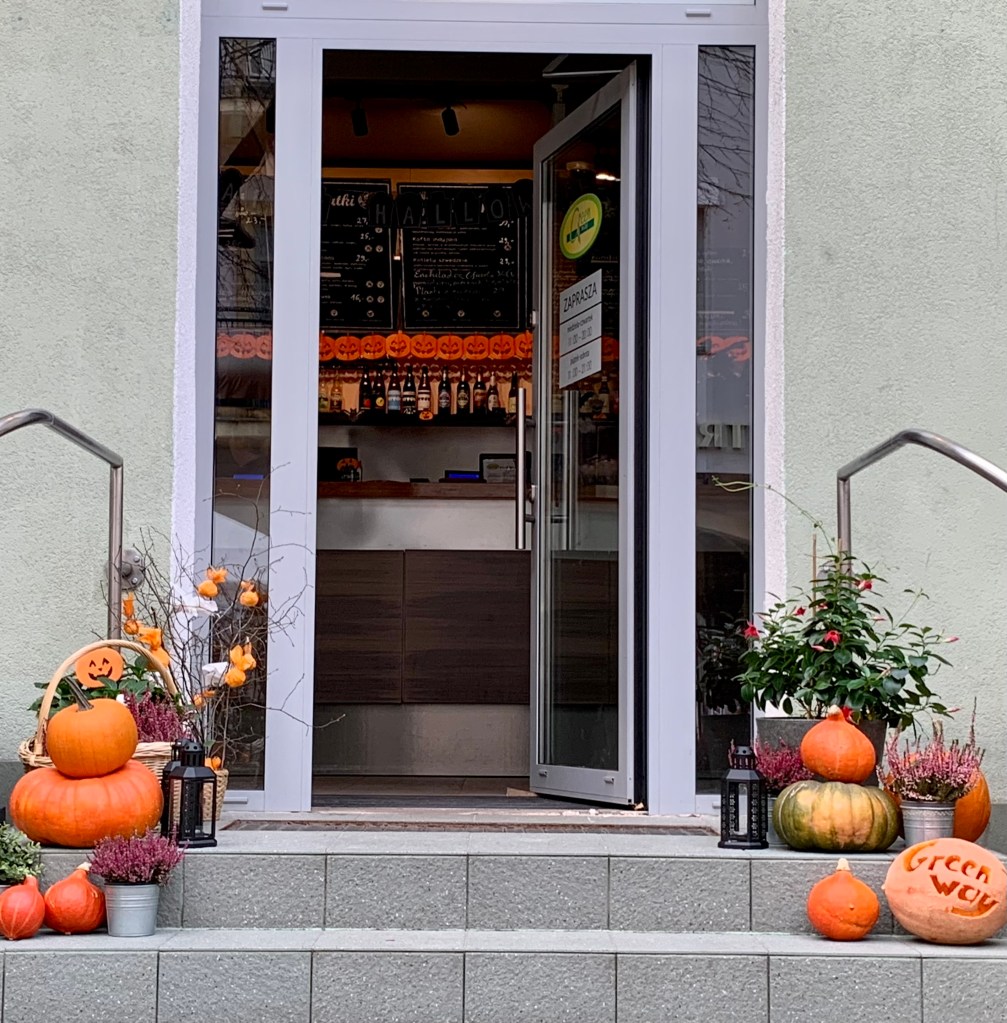
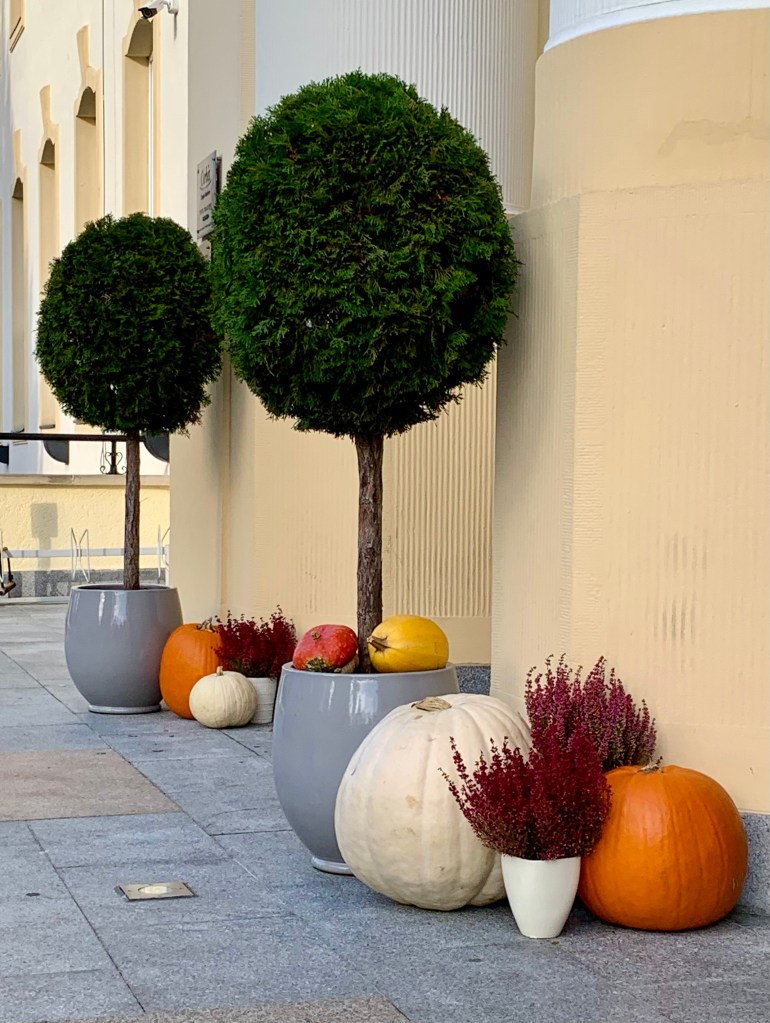
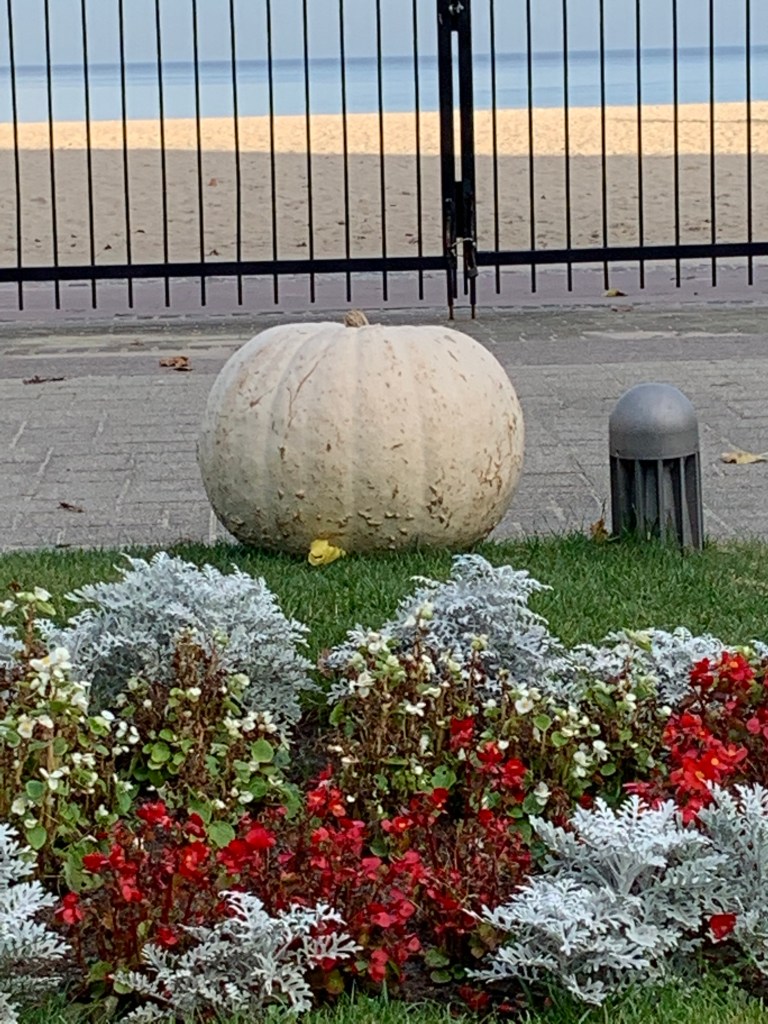
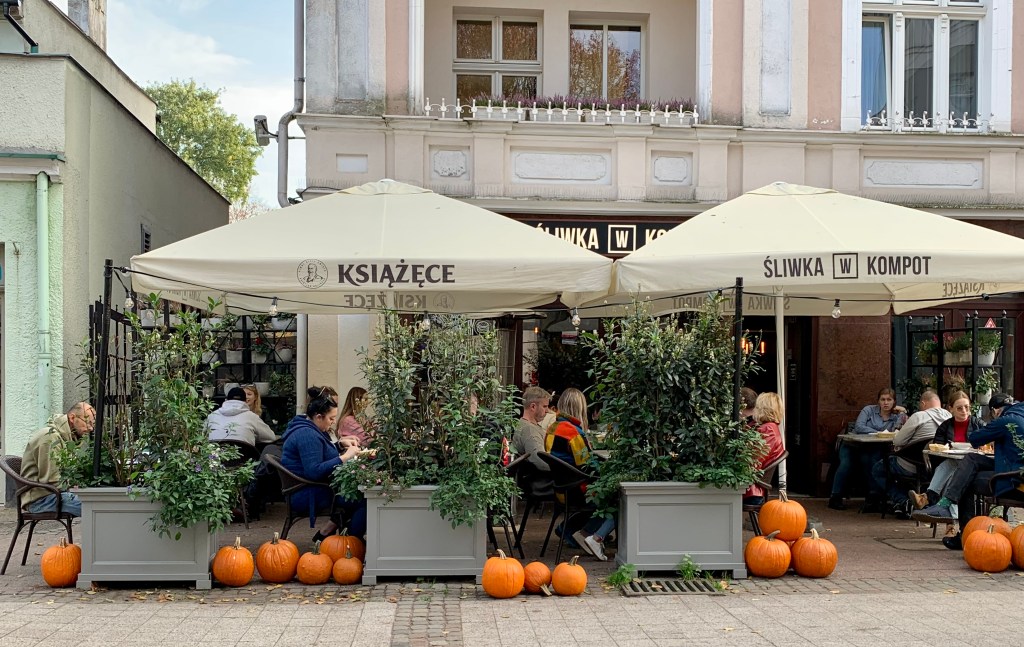
The Grand Hotel, Sopot.Some gardens and walking paths.Congress Hall needs these chairs!Pumpkins.Pumpkins.Pumpkin.And more pumpkins.
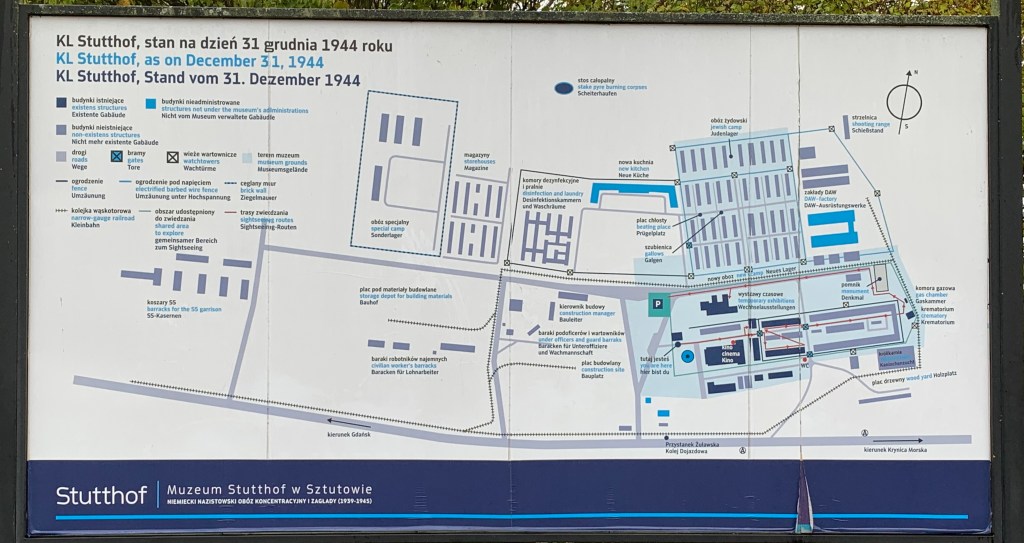
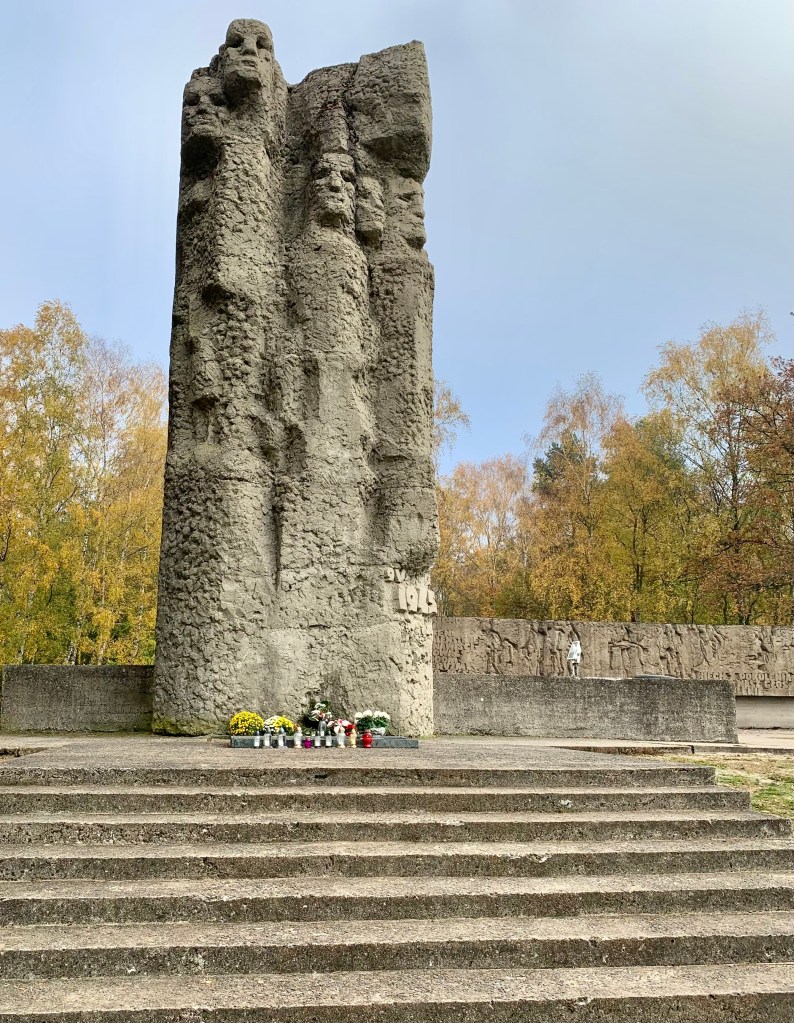
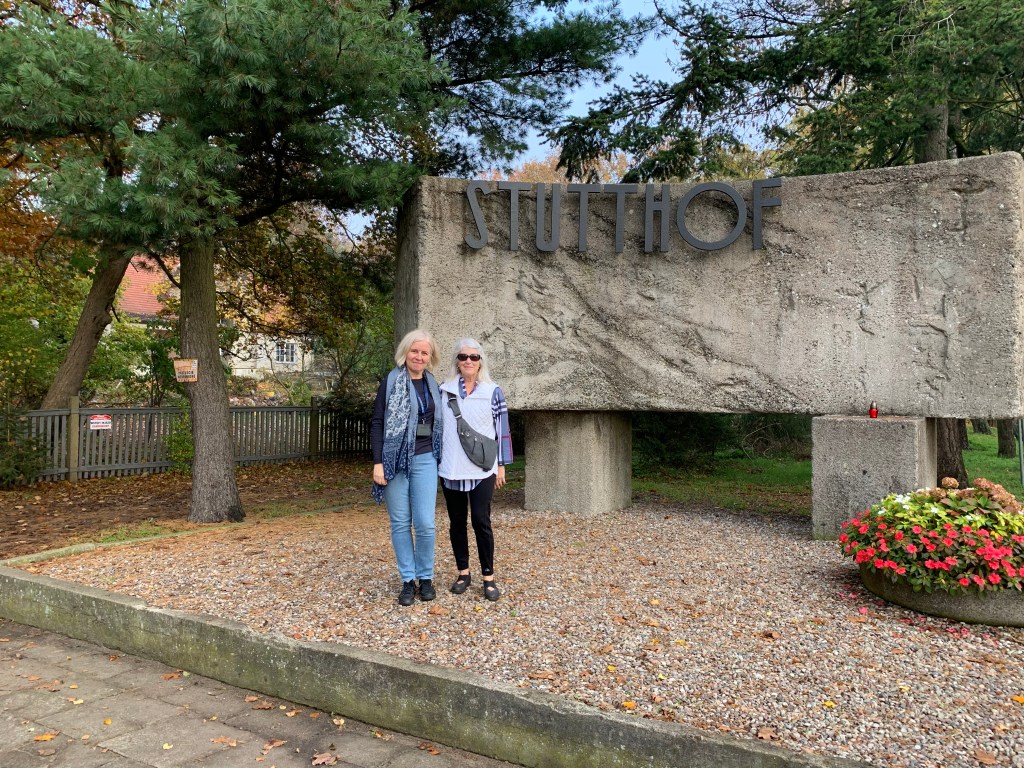
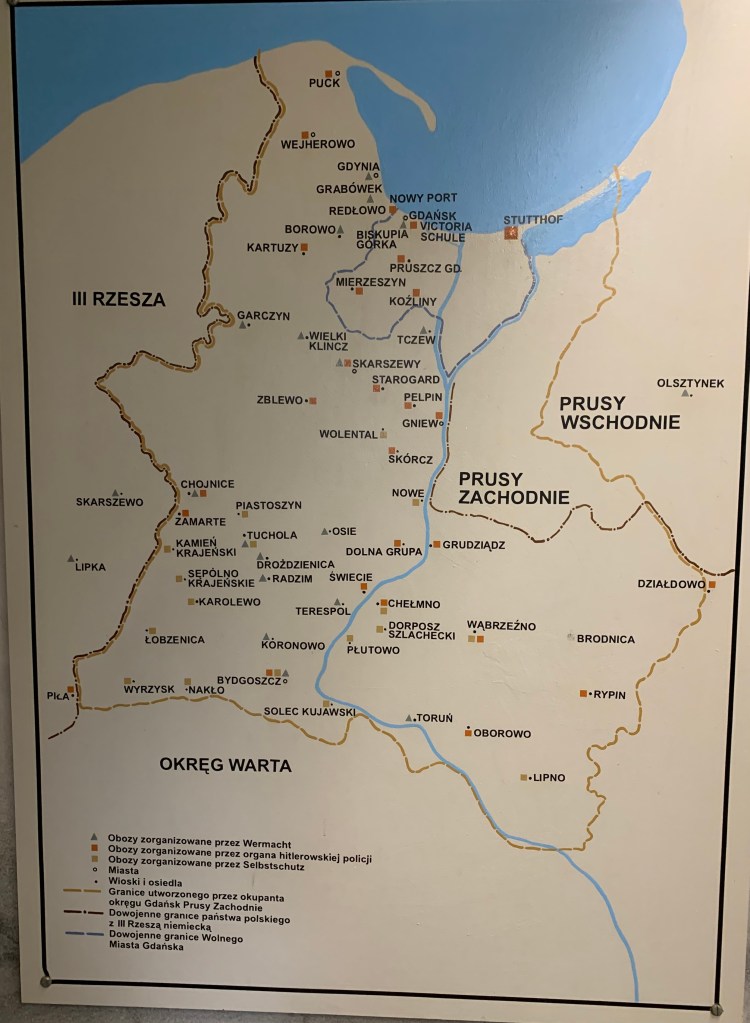
It was fitting that it was a foggy, overcast, dreary day in Sztutowo. The atrocities committed here are unfathomable. Stutthof was one of the camps which gained its reputation by serving the Nazi genocide of the Jews alongside with political oppression of the wider population, slave labor profit-making and even unethical medical experimentation with prisoners as involuntary experimental subjects. Stutthof’s initial role was to serve as an internment center for undesirable Poles (members of the political opposition, intellectuals, etc.) right from the start of the war, which began in Danzig/Gdansk.
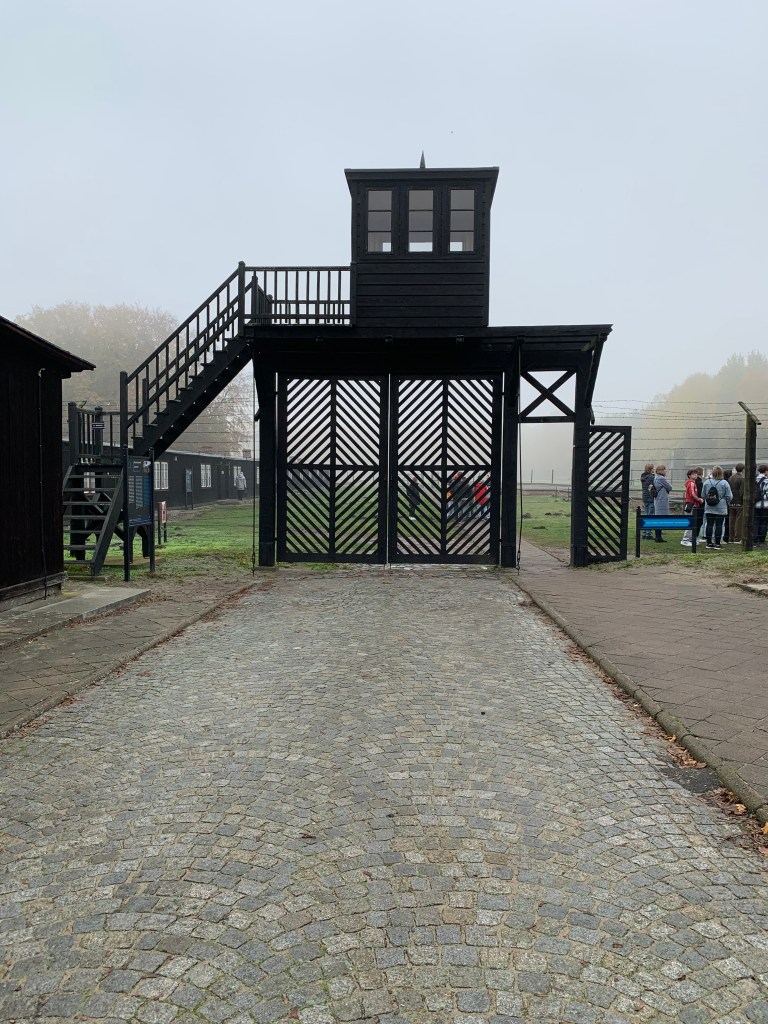
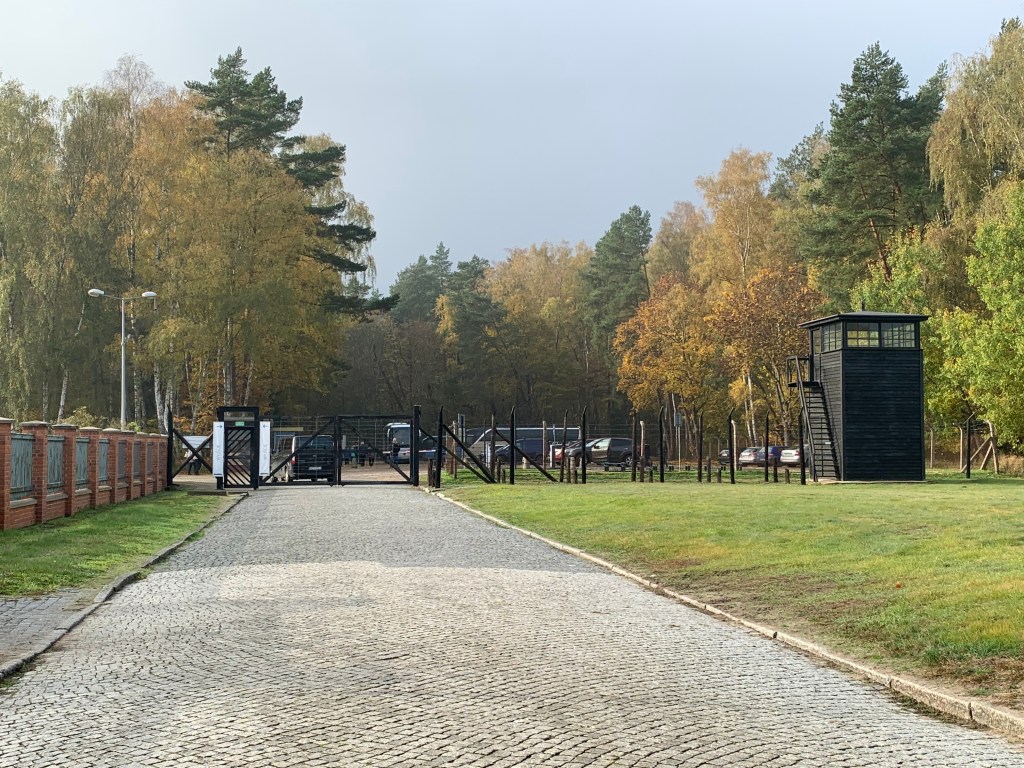
The death gate.
In September 1939, the Nazis created the concentration camp of Stutthof (Sztutowo) in a wooded area near the Baltic port of Gdansk. It was approximately 36 km east of the city of Gdansk, where the Visla river flows into the Baltic Sea. Originally, it was a civil prison camp for political enemies of the Nazi regime in the free city of Gdansk and Western Prussia. Only two weeks after it was set up, over 6,000 members of the Polish intelligentsia, prisoners of war, Jehovah’s Witnesses and other persecuted people had been interned there. In November 1941, Stutthof was labelled an “SS special camp”, and from January 1942 on, it was officially declared a concentration camp.
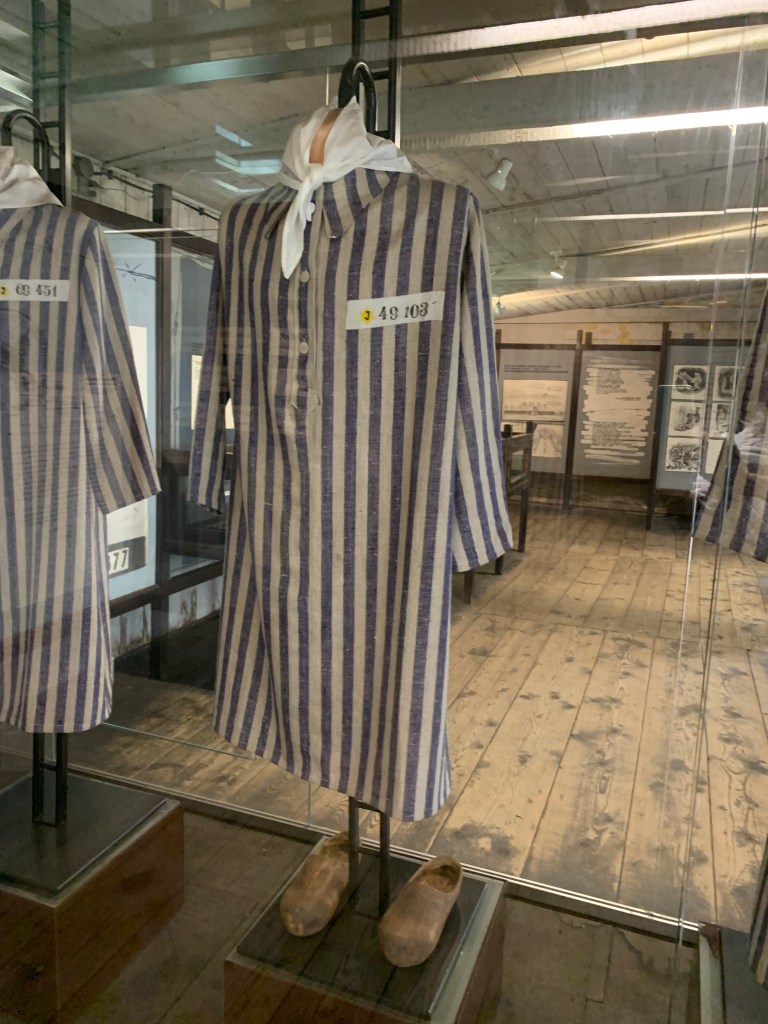
The former “women’s block”. It now mainly houses an exhibition about life in the camp, complete with sleeping quarters, eating tables, and washrooms.
Stutthof was the first concentration camp created by the Nazis outside of the country of Germany. It was also the last camp liberated by the Allies. The first prisoners to arrive in the camp were Polish citizens and P.O.W. Again, by mid-September, there were 6,000 prisoners in the camp among them prisoners of war and scientists. Most of them were executed by the SS.
Between September 2,1939 and May 10, 1945, 127,000 prisoners were registered upon their arrival in the camp. The lowest estimation of the number of victims is 85,000. The real number is certainly much higher as the inmates who were selected for immediate execution upon their arrival were not registered.
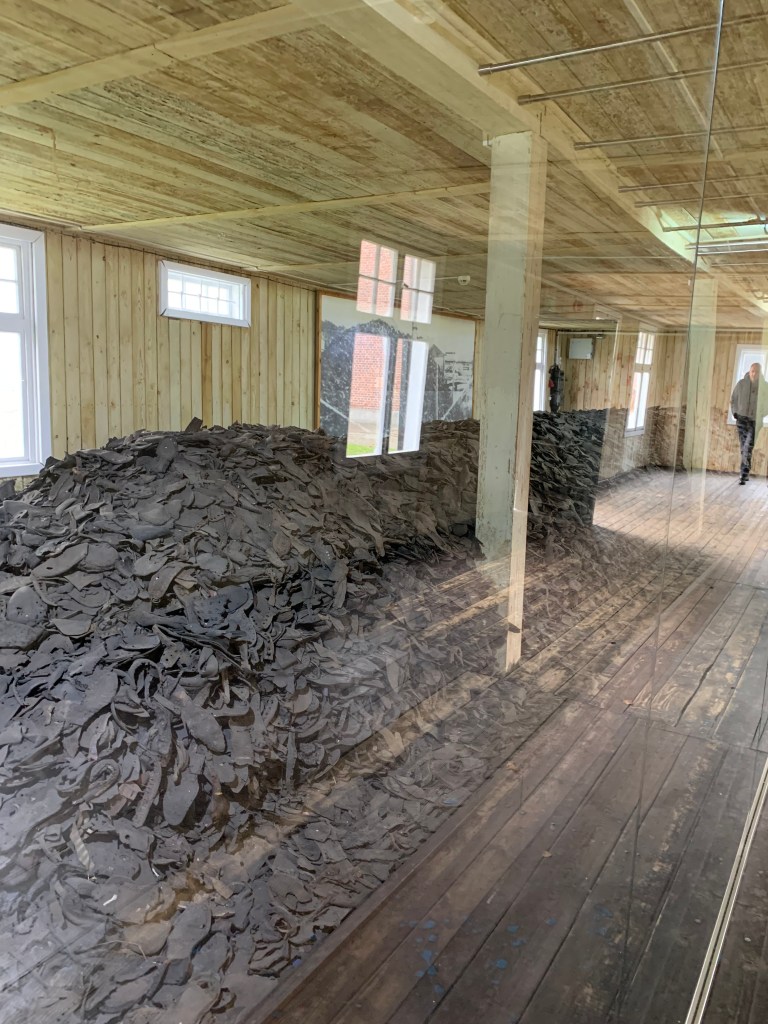
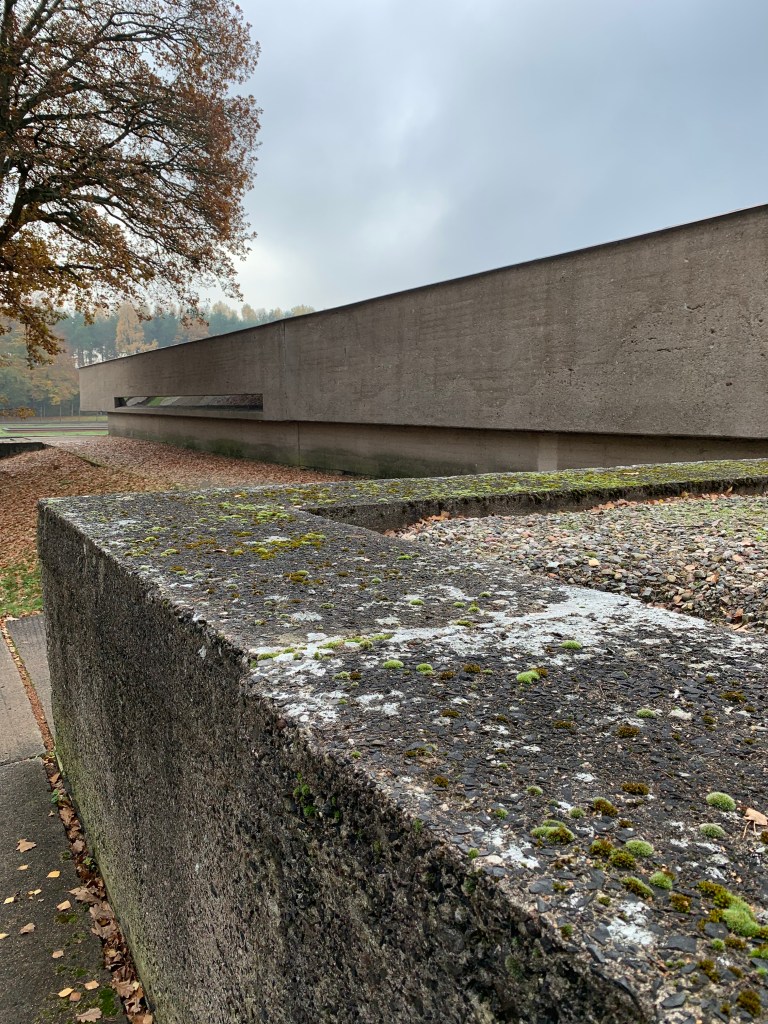
About 65,000 inmates died in the Stutthof death camp that operated from September 1939 to mid-1945. These shoes gathered in one of the barracks at the camp are believed to be items belonging to the prisoners.Memorial to ashes of cremated prisoners. This enormous central concrete monument is next to the memorial above. It incorporates the ashes of cremated inmates–visible behind glass panels. This monument forms one of the most prominent elements of the complex.Exiting the camp.Marguerite, guide. Thank you. The tour honored lives lost, families and friends who lost loved ones and paid tribute to the survivors.
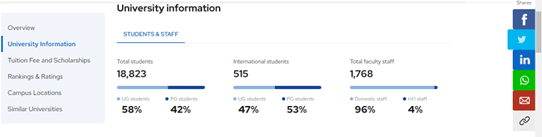
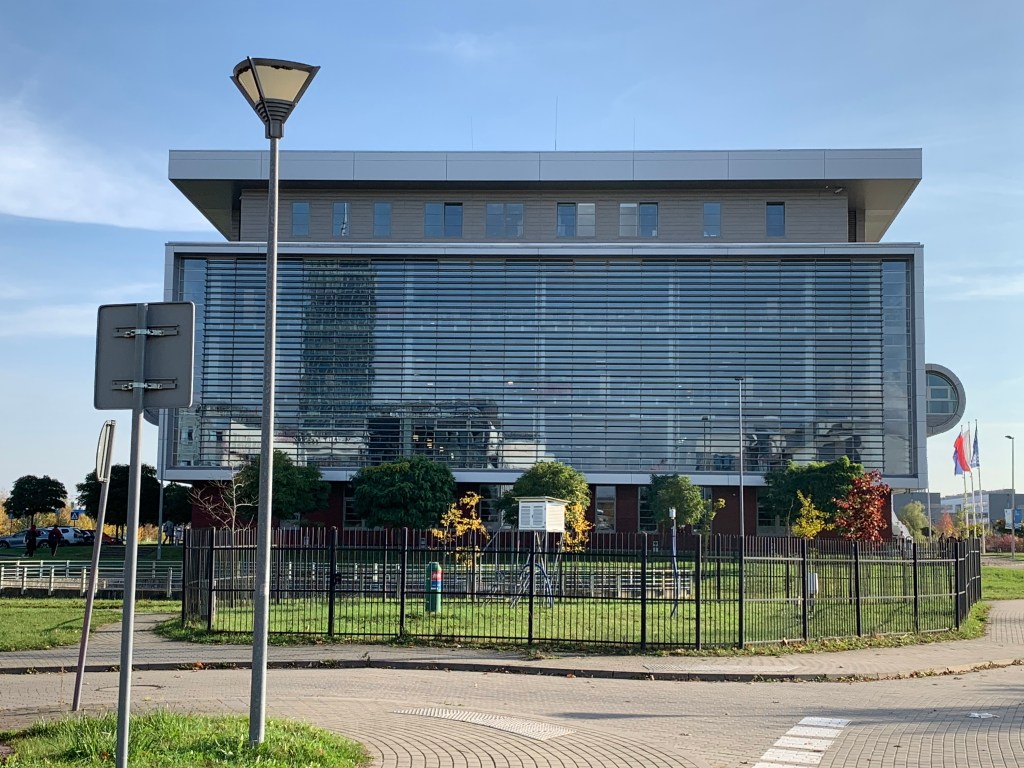
The University of Gdańsk (Polish: Uniwersytet Gdański) is a publicresearch university located in Gdańsk, Poland. It is considered one of the top ten universities in Poland. The University of Gdańsk was established in 1970 by a merger of the Higher School of Economics in Sopot (in existence since 1945) and Gdańsk College of Education (formed in 1946).[1] Nowadays, the University of Gdańsk is the largest institution of higher learning in Poland’s northern region of Pomerania.
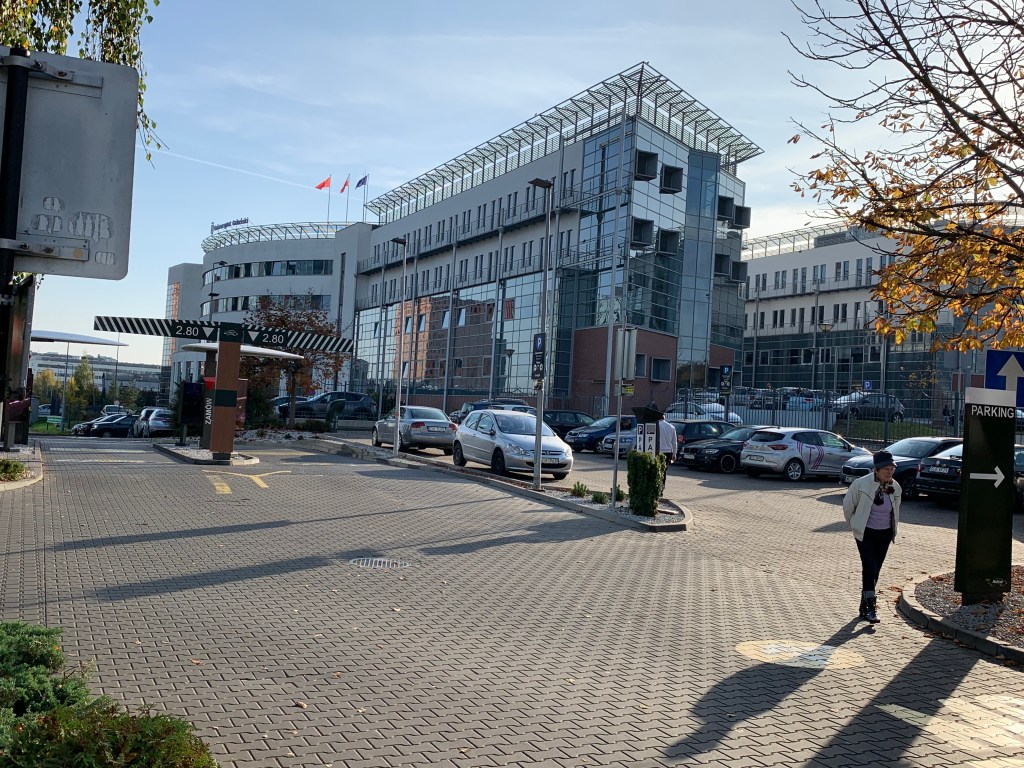
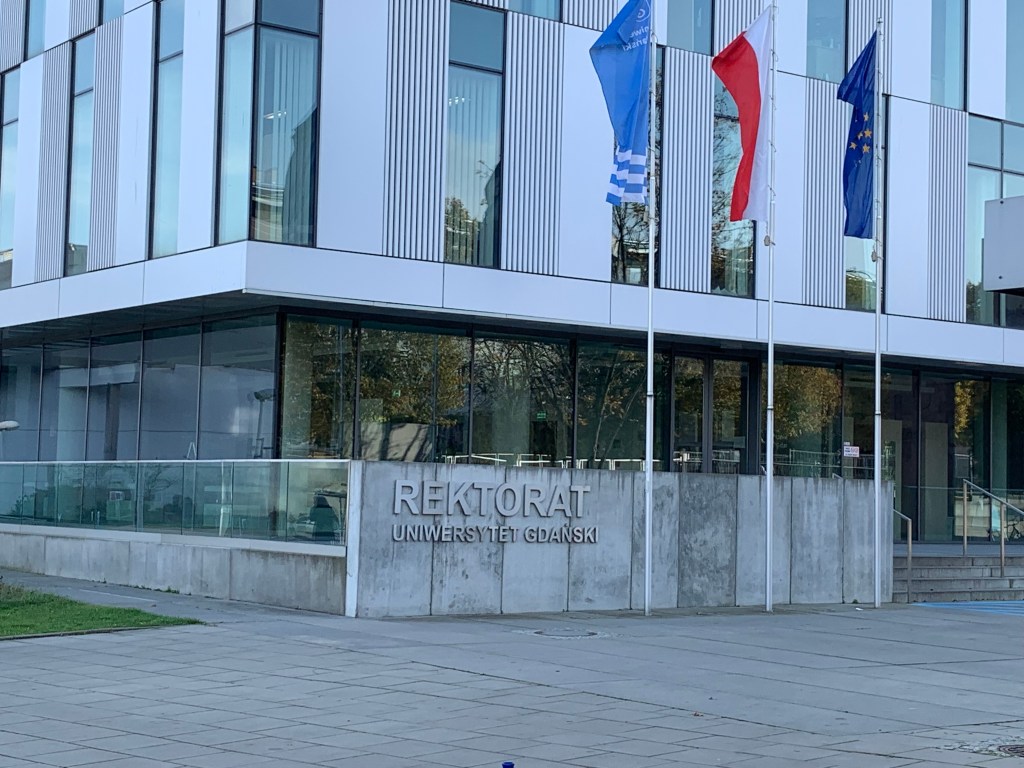
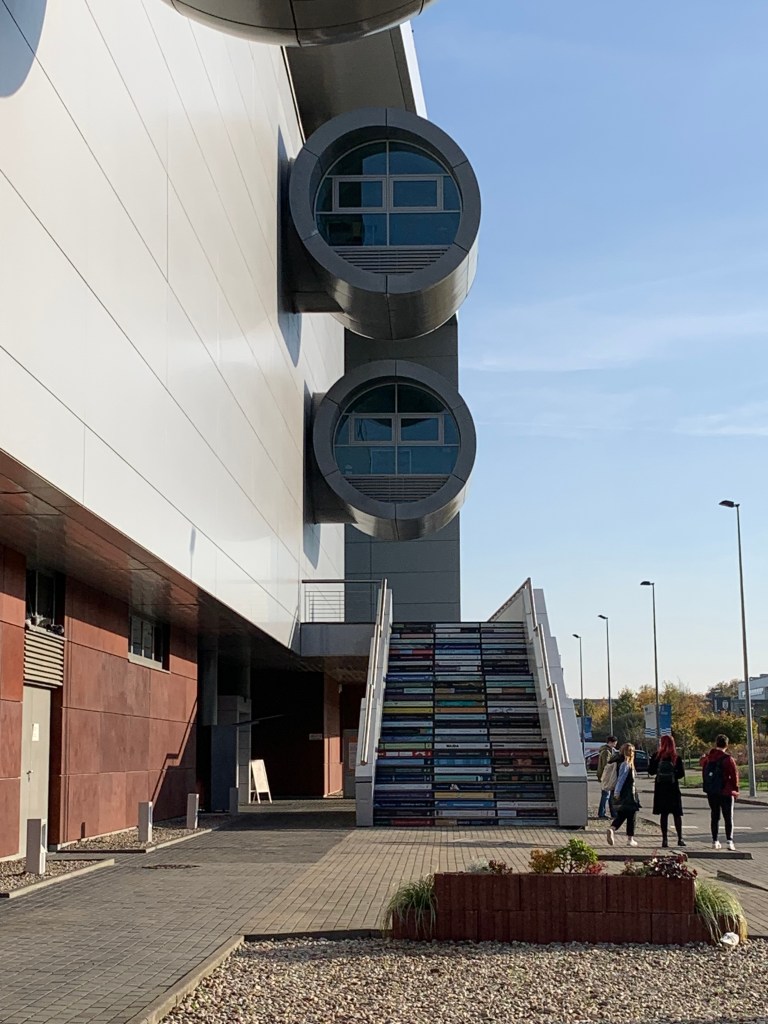
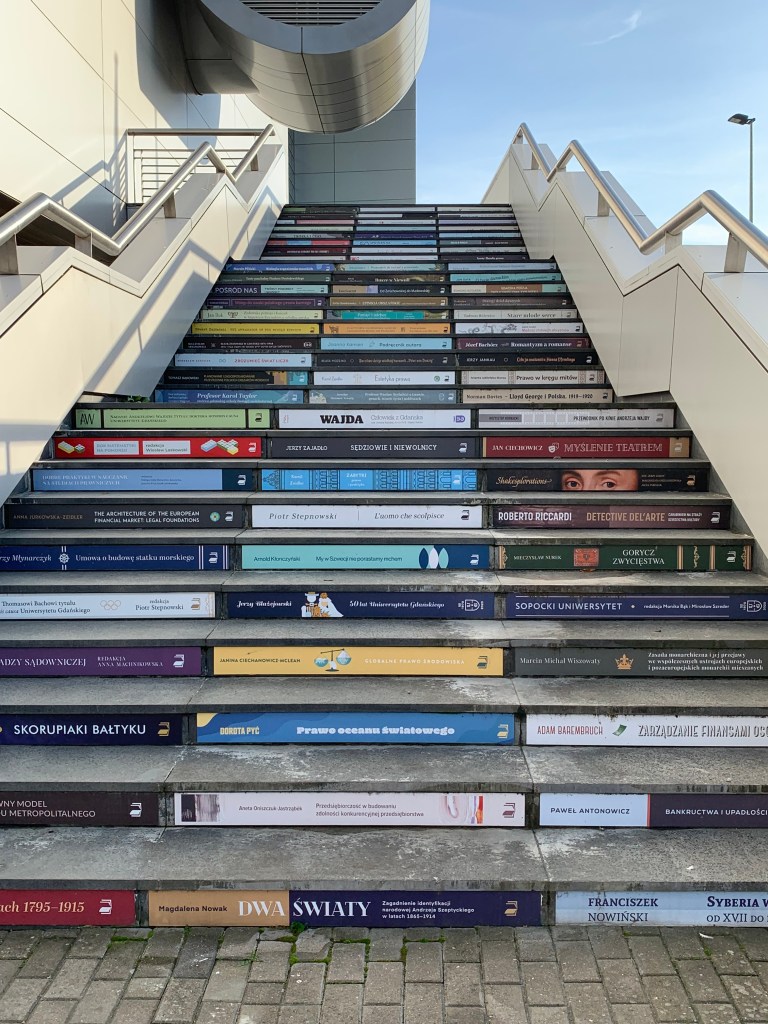
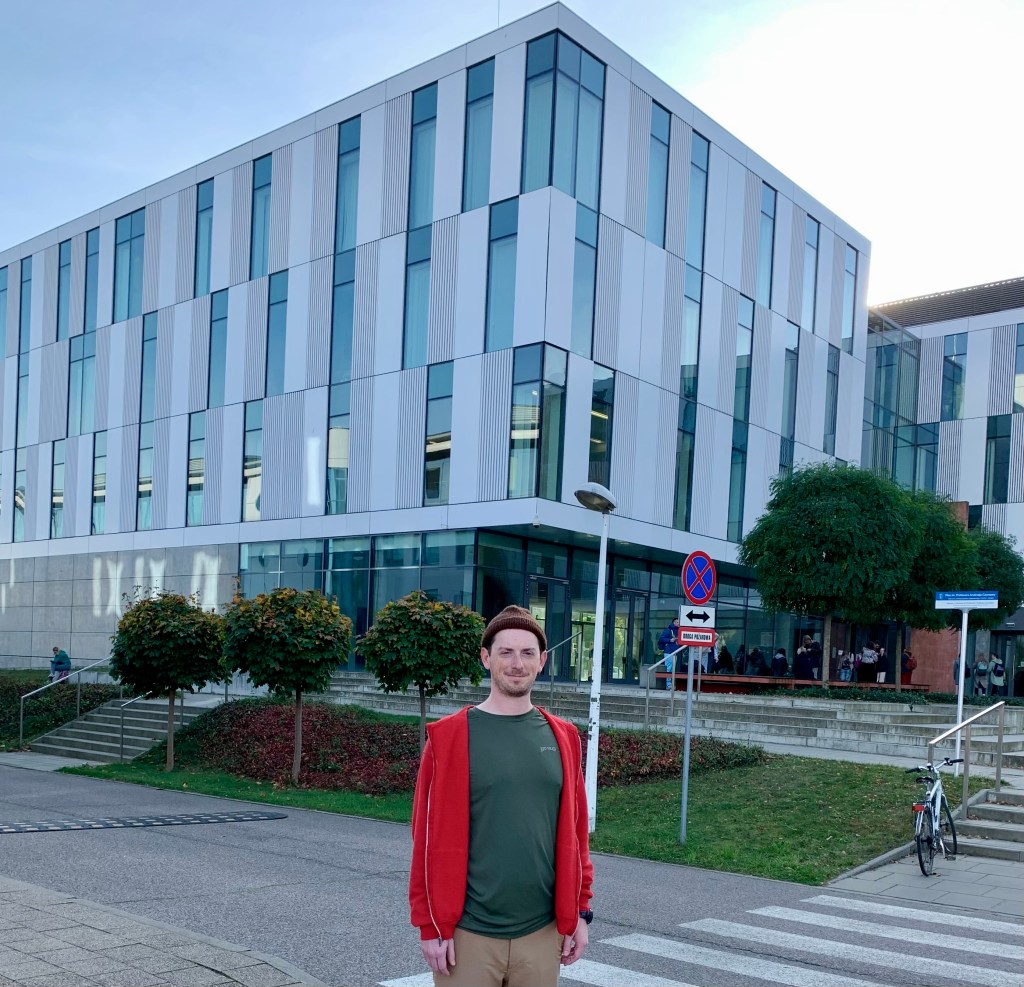
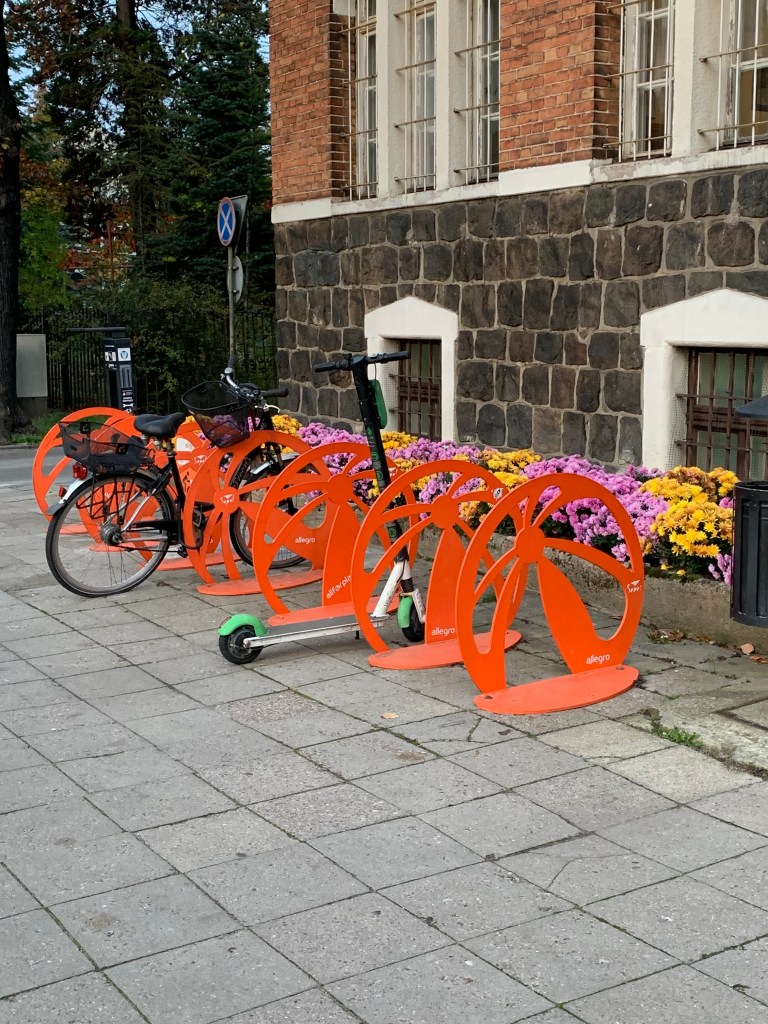
University of Gdansk. My first view upon exiting the train.The administration building.The Library.Entrance to library.Close-up. Steps are books.Mike in front of his building.Bike racks.
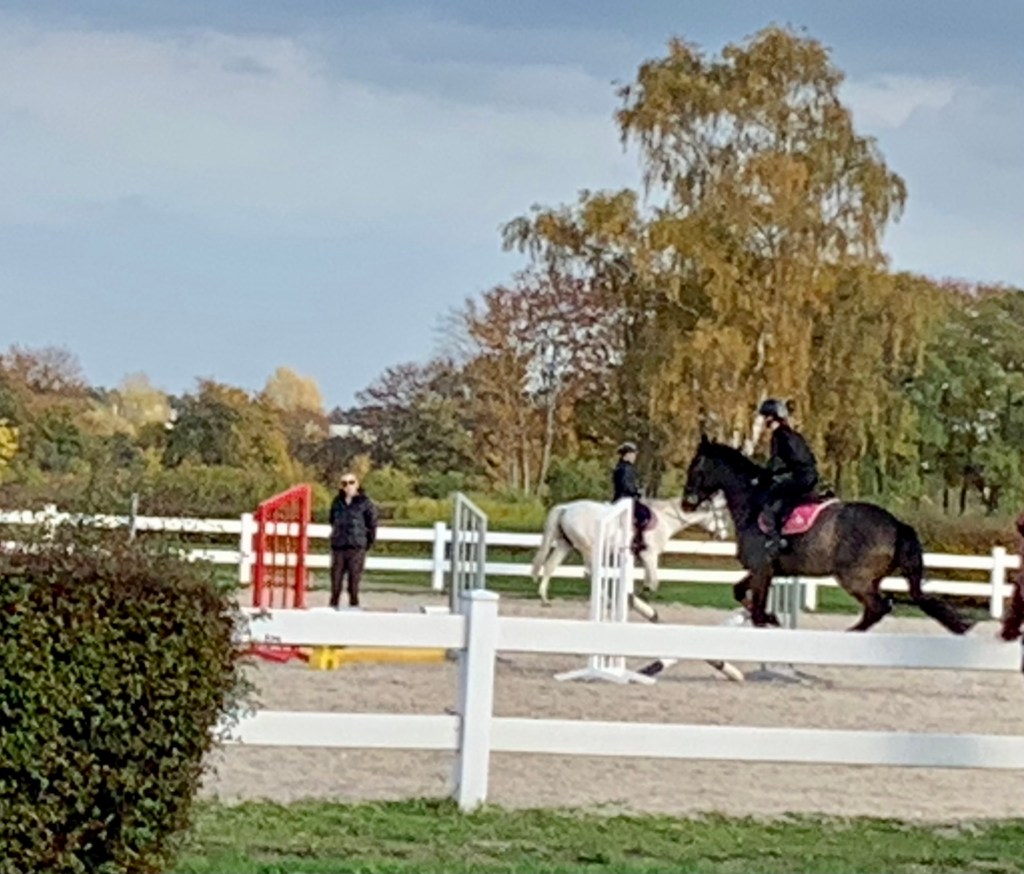
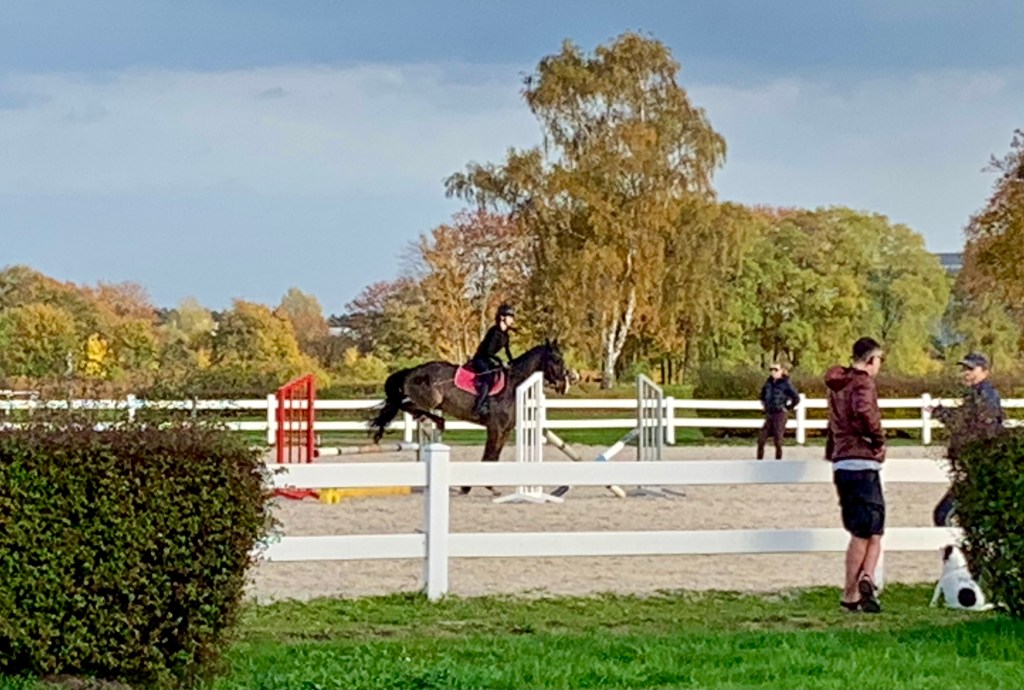
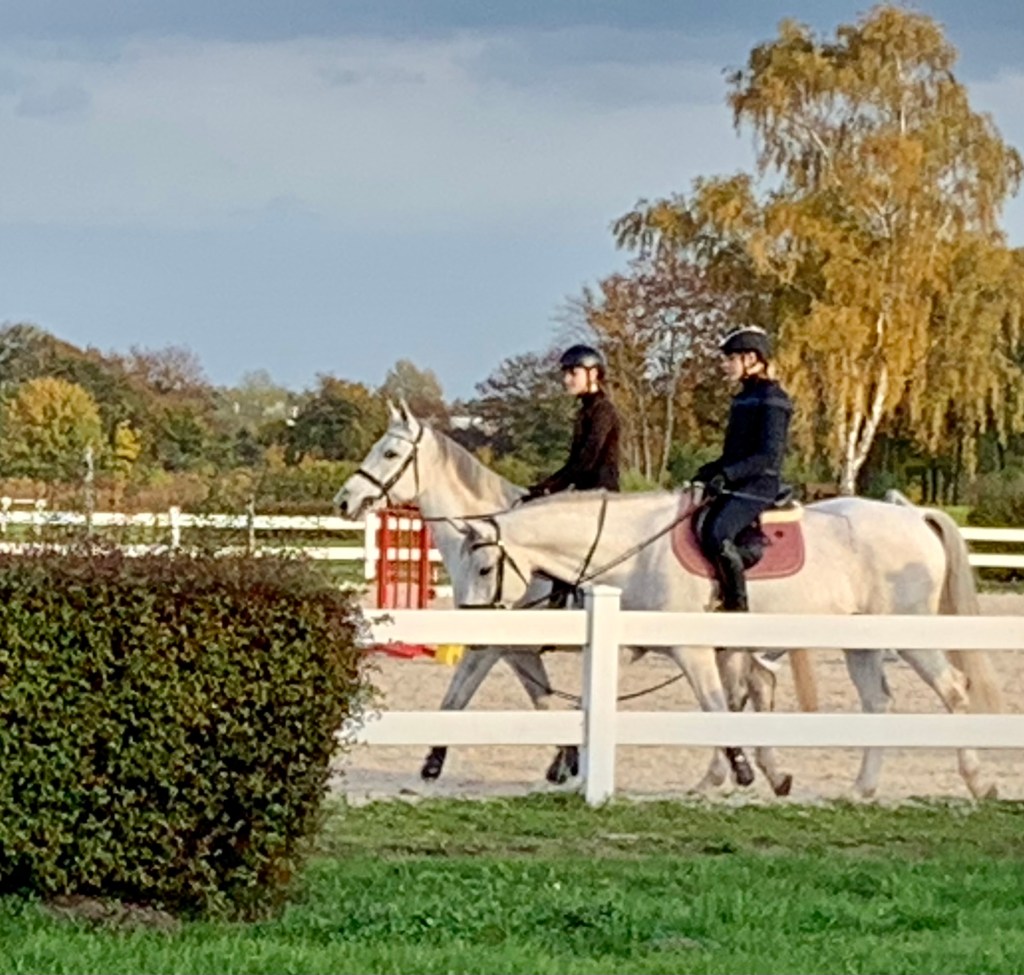
About 6 km from my apartment is an event venue with an established riding academy, Hipodrom Sopot. This academy is about halfway between the apartment and the University of Gdansk. Riding lessons and equestrian events are held here. You can learn to ride or develop skills aided by experienced teachers; they offer lessons in Polish, English, German, French, and Russian. The lessons are held outside, but they expect to have an indoor state-of-the-art dressage ring soon. It was fun to watch. I exited the train, one stop before my Sopot stop, at the Sopot Wyścigi station. Watched them ride for a bit and then walked back to the apartment.
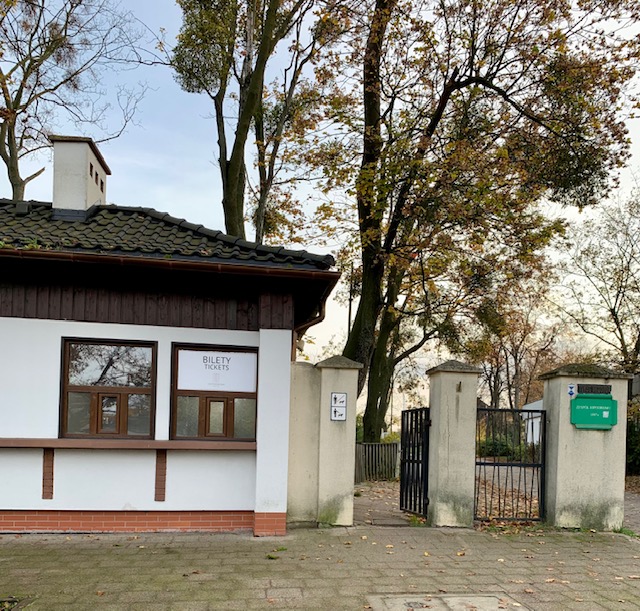
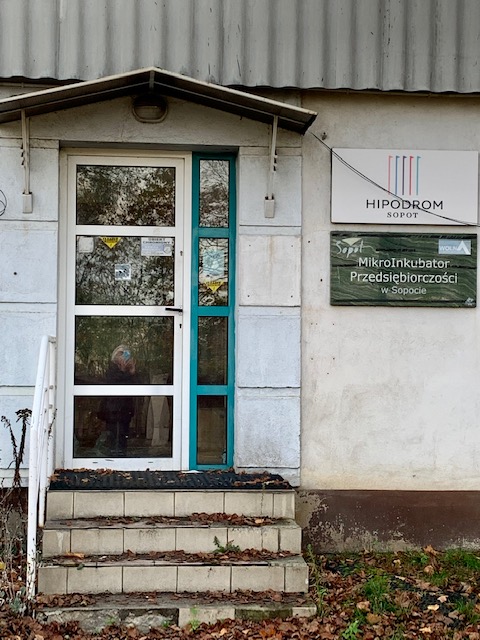
Entrance to Hipodrom.Hipodrom Sopot offices.
The walk from the Hipodrom back to the apartment.
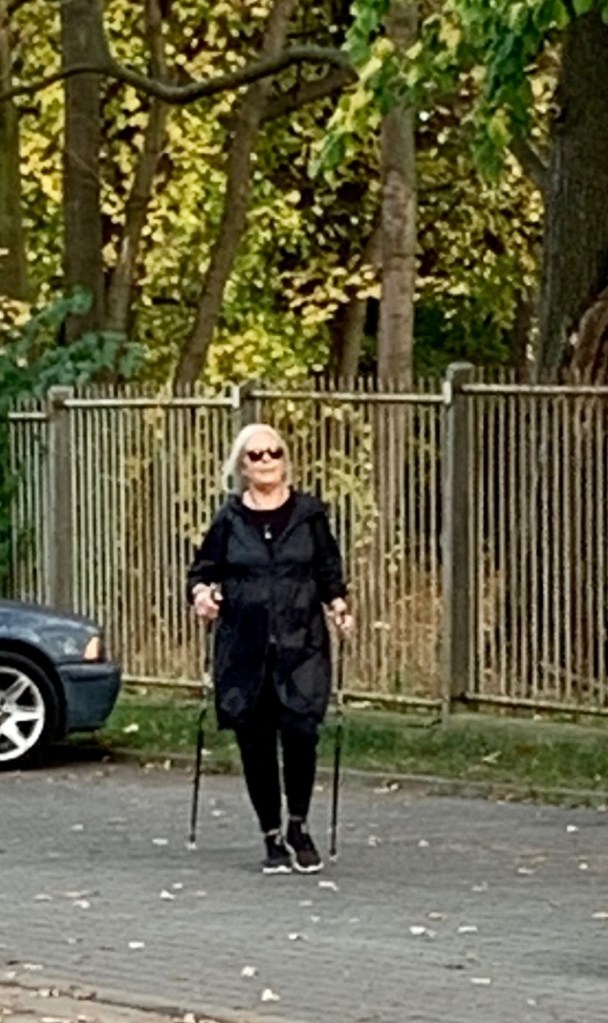
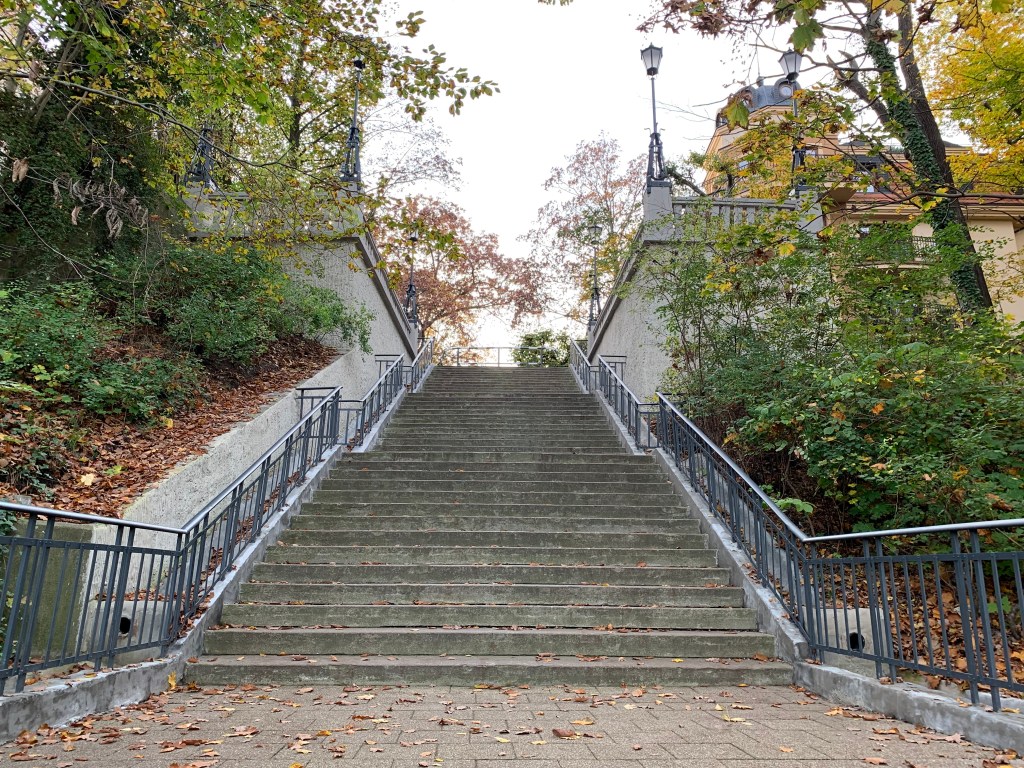
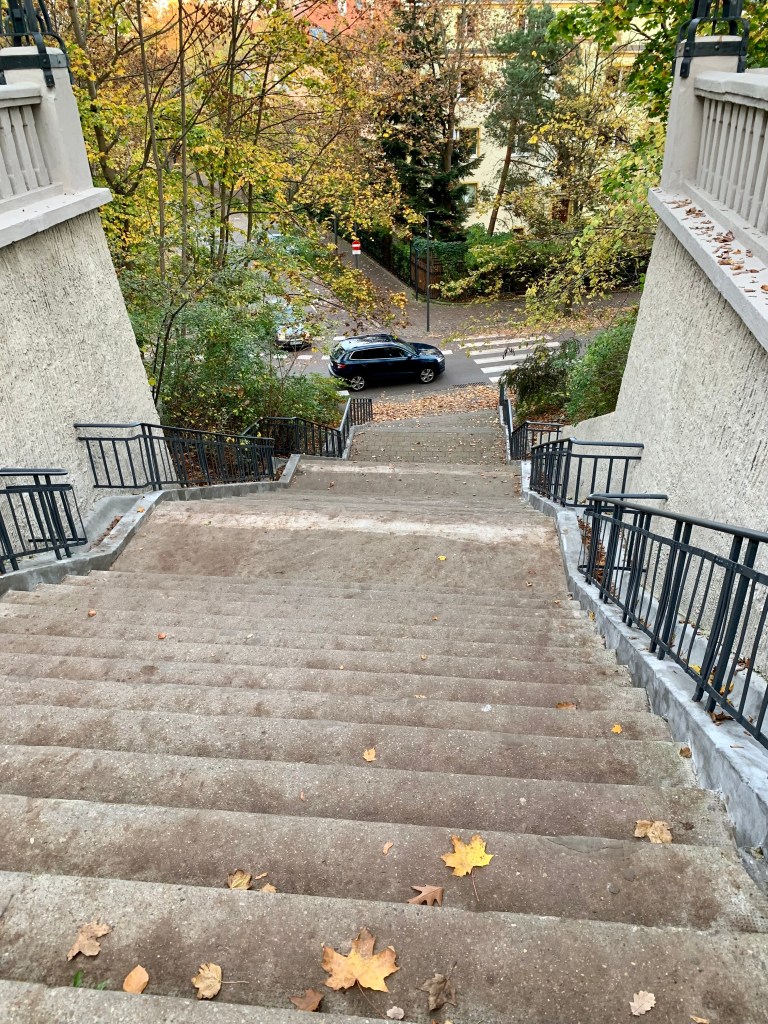
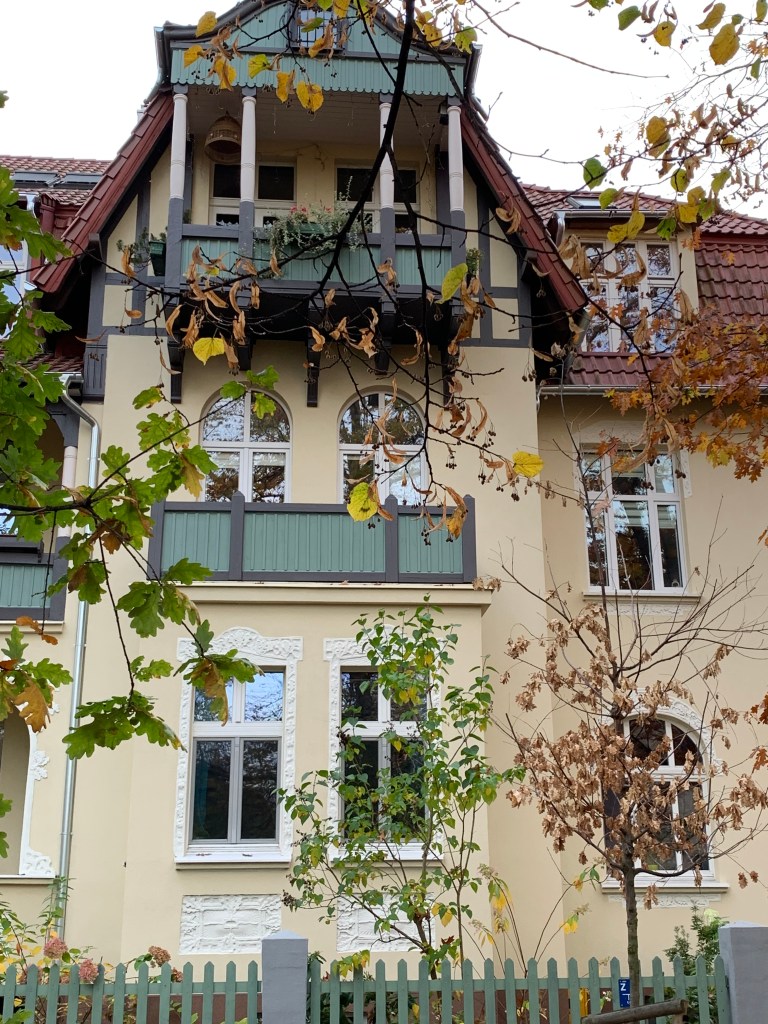
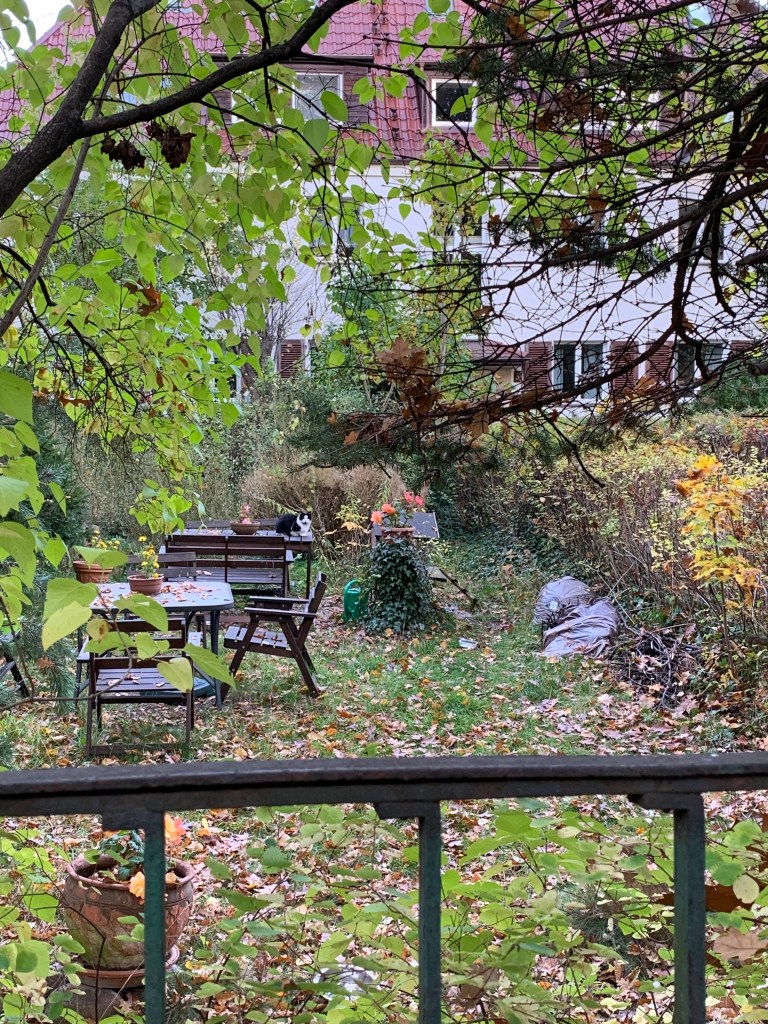
Barb, more walking sticks. You haven’t acknowledged by previous walking stick pictures. A lot of people have them!Stairs.More stairs. They all started to look the same.Beautiful homes.Beautiful yards. This one complete with cat.Sopot at dusk.Dusk. Another beautiful ending to a beautiful day.
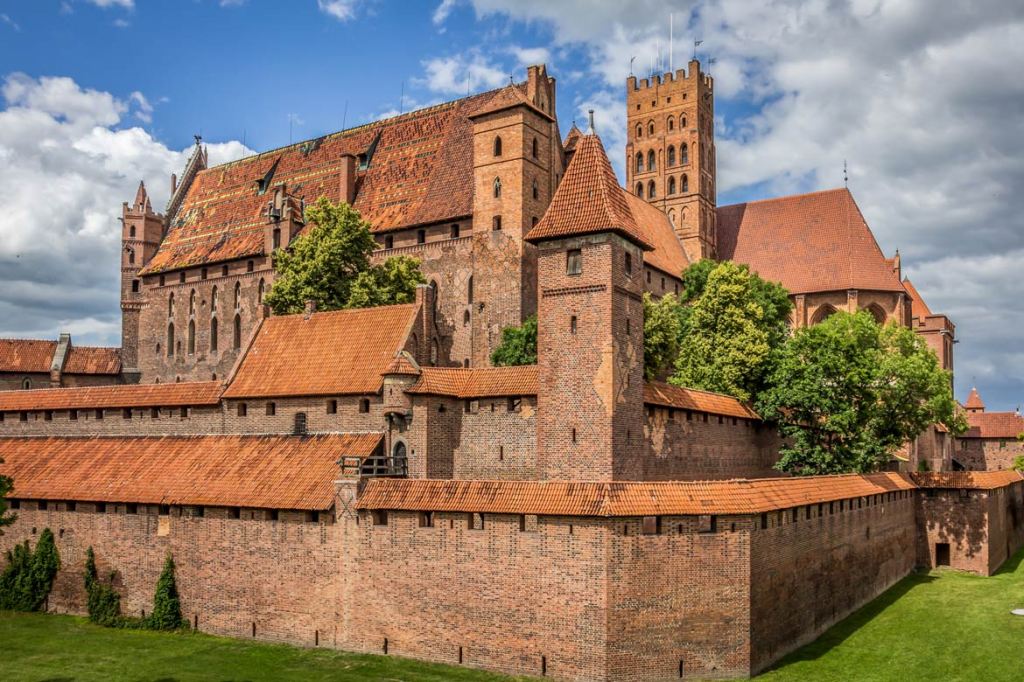
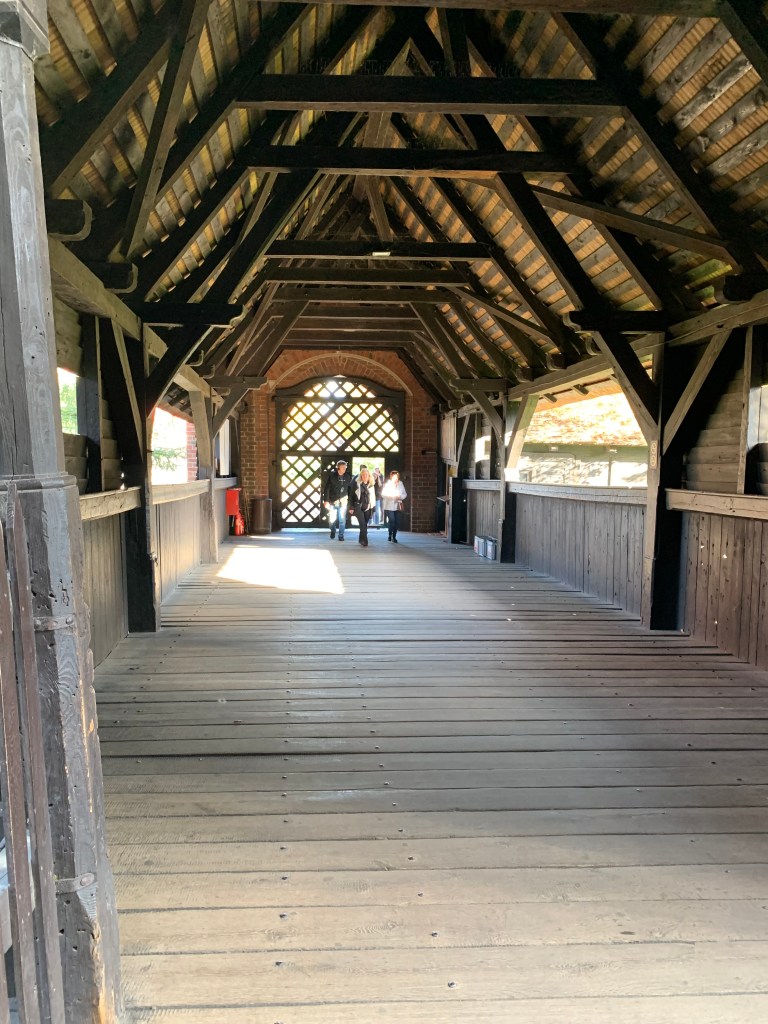
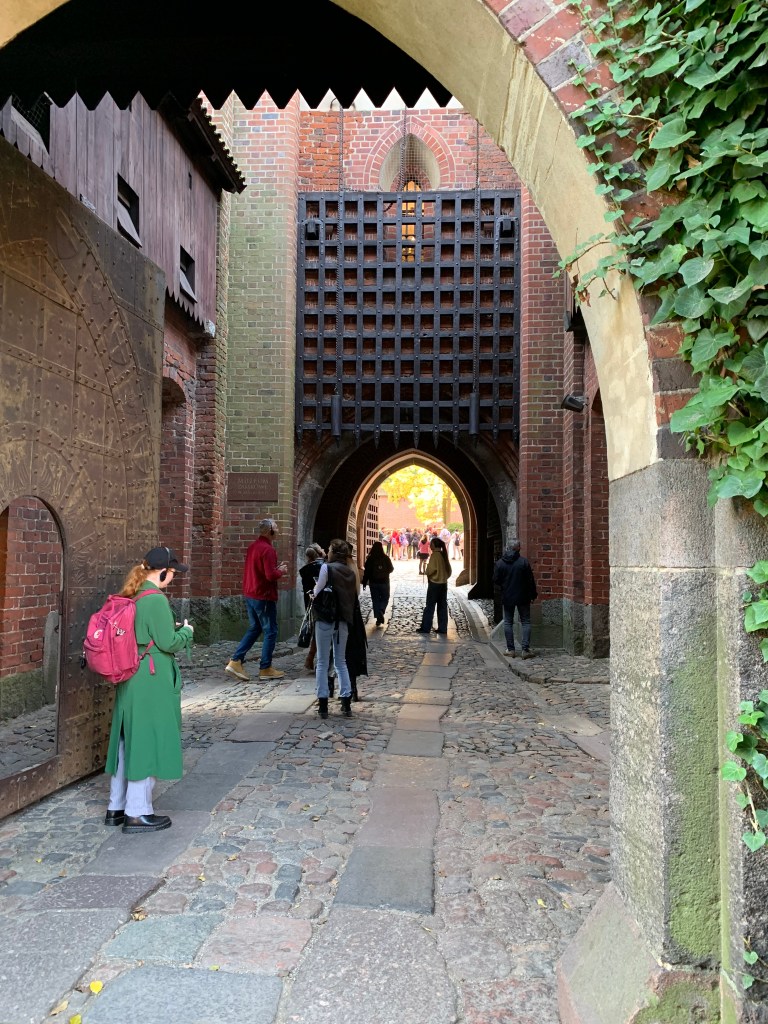
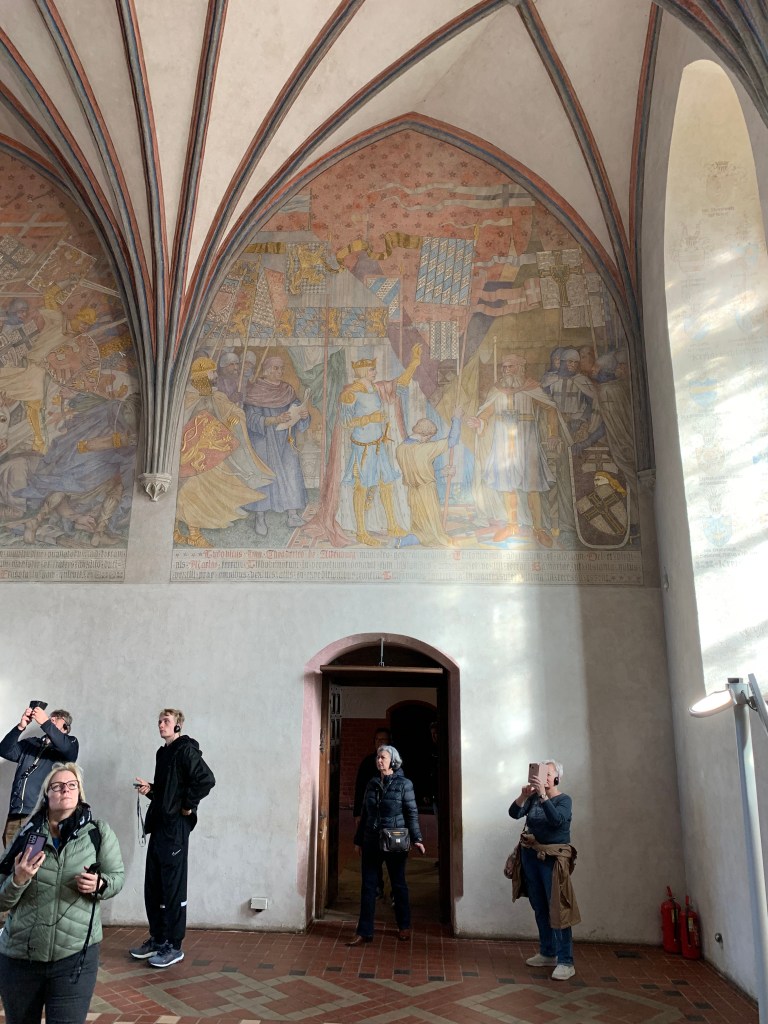
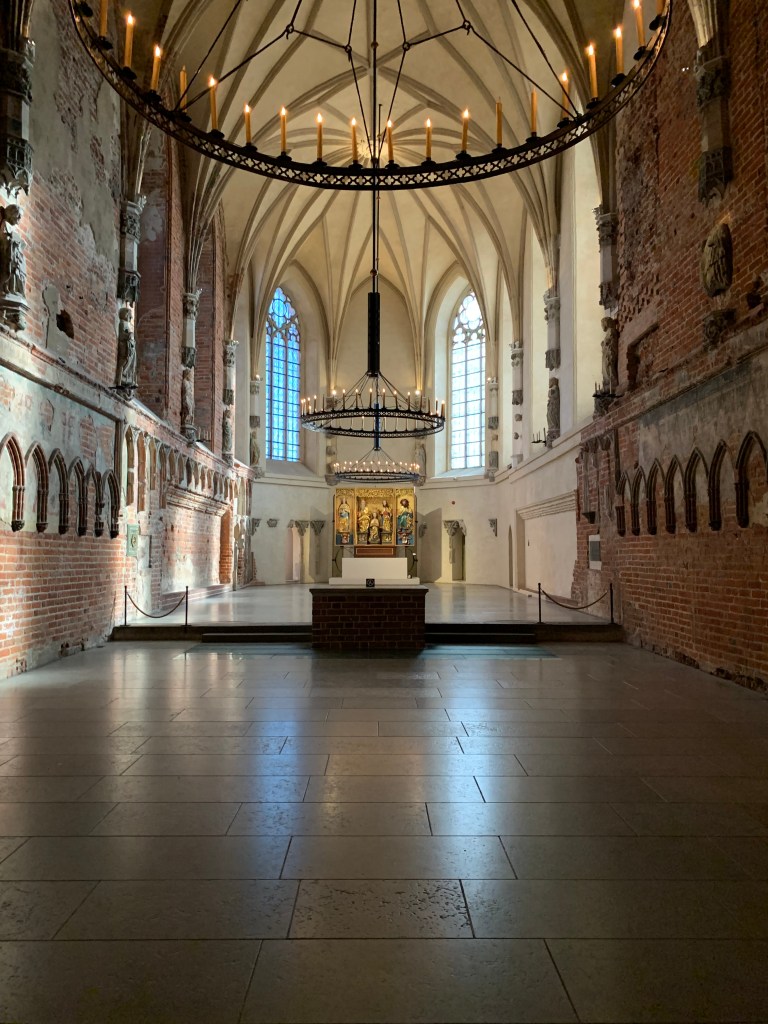
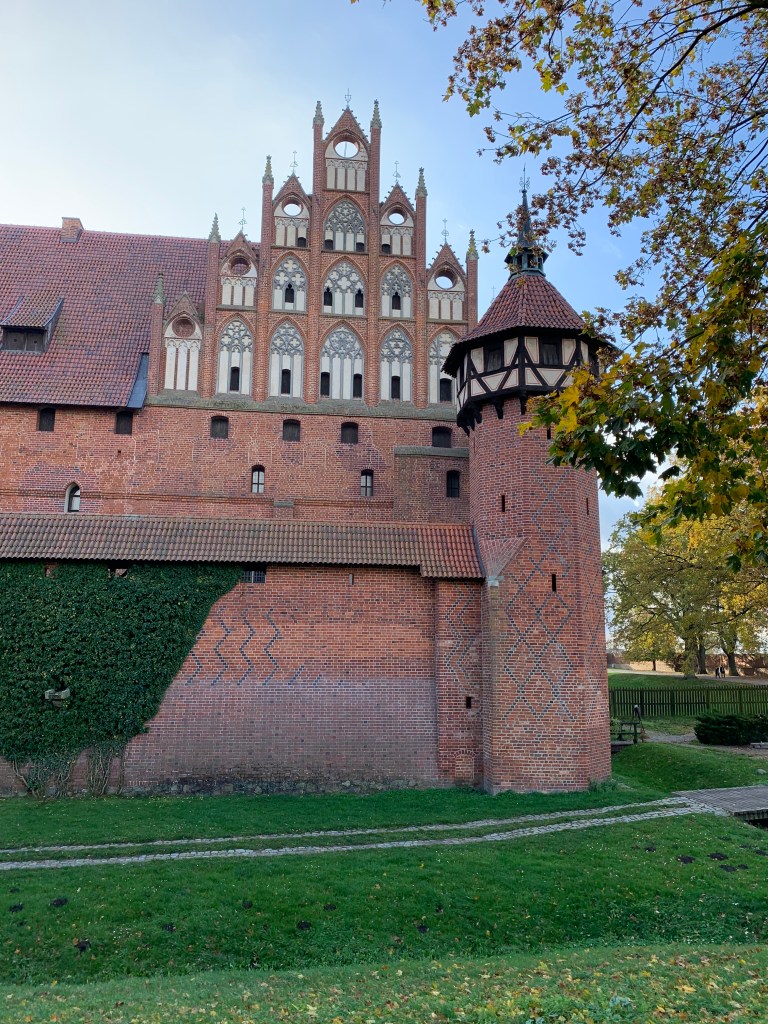
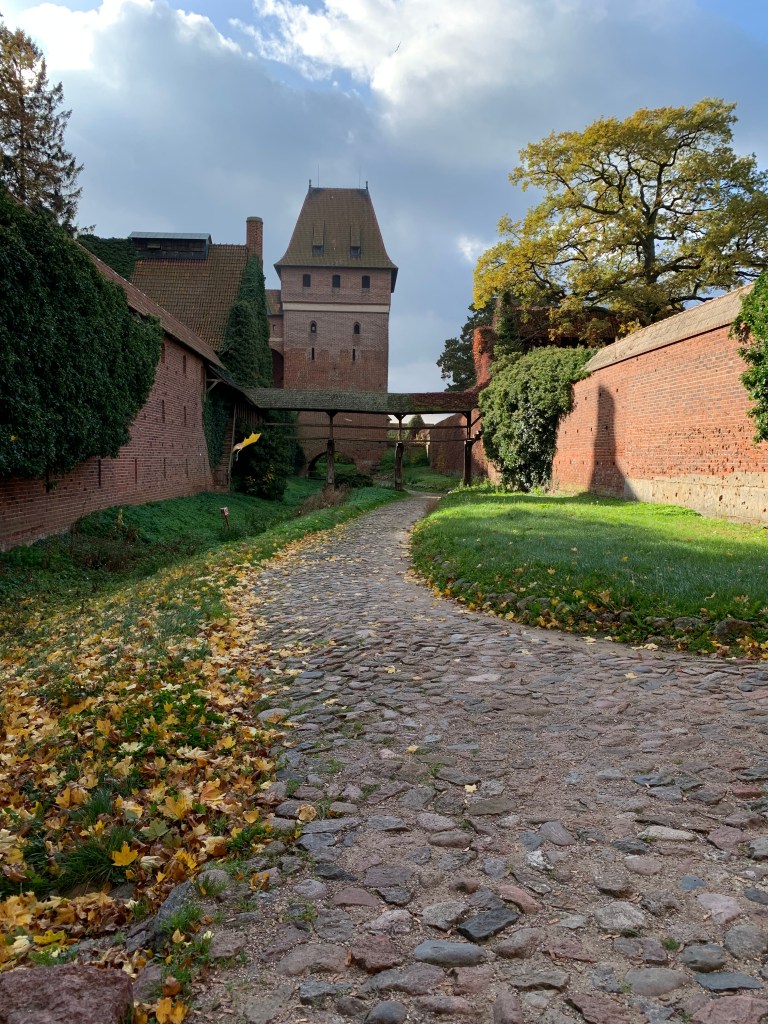
a mighty fortress! Malbork Castle was built in a few stages. The work started in 1278 after the Teutonic Order, German Catholic crusaders, had conquered the area of Old Prussia. They named the castle “Marienburg” to commemorate Mary, the mother of Jesus. It consists of three castles: High, Middle and Lower, all separated by dry moats and towers. All the rooms, the details of architecture, passages, and corners you find inside are so beautiful they definitely impress.
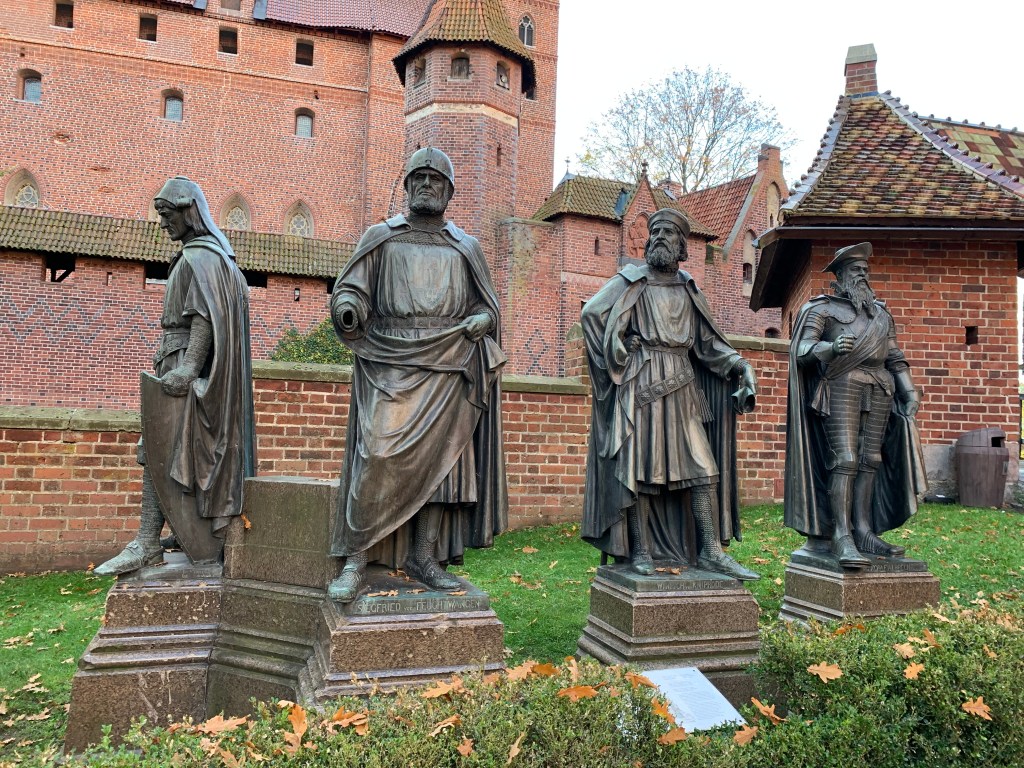
The Malbork castle is the mightiest fortress of medieval Europe. Its construction begun in the 13th century. But major transformation begun in early 14th century, when the Grand Master Siegfried von Feuchtwangen moved his office to Malbork (statute of him further down). The castle was promoted to the status of being the capital of one of the most powerful states on the southern coast of the Baltic.
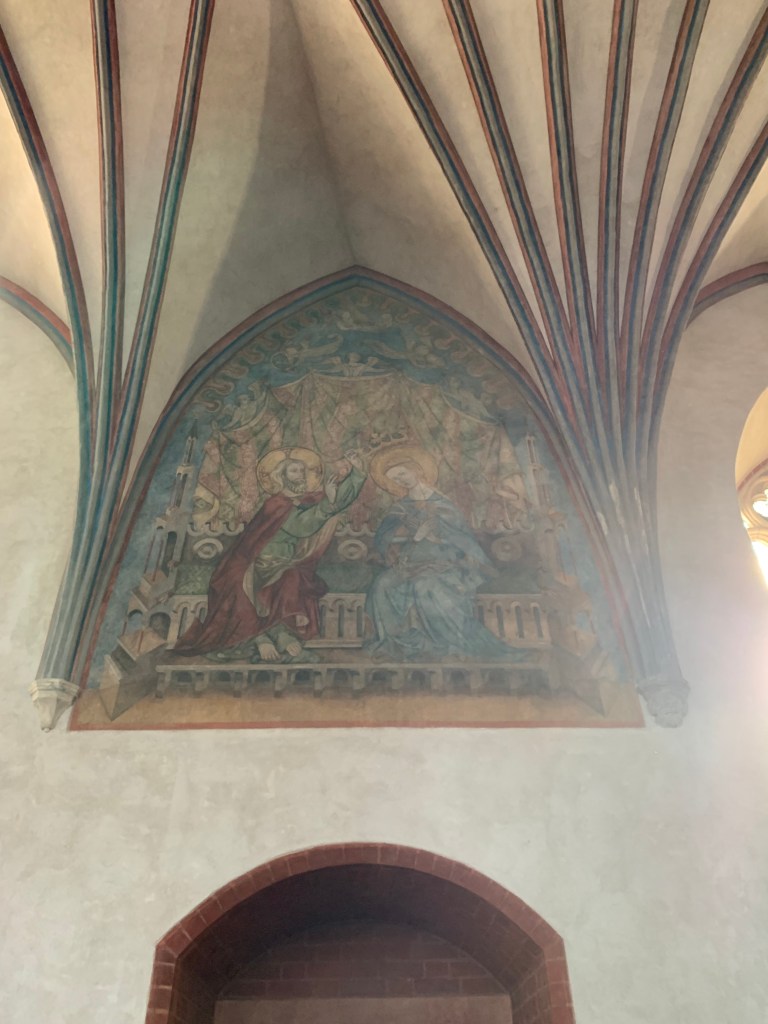
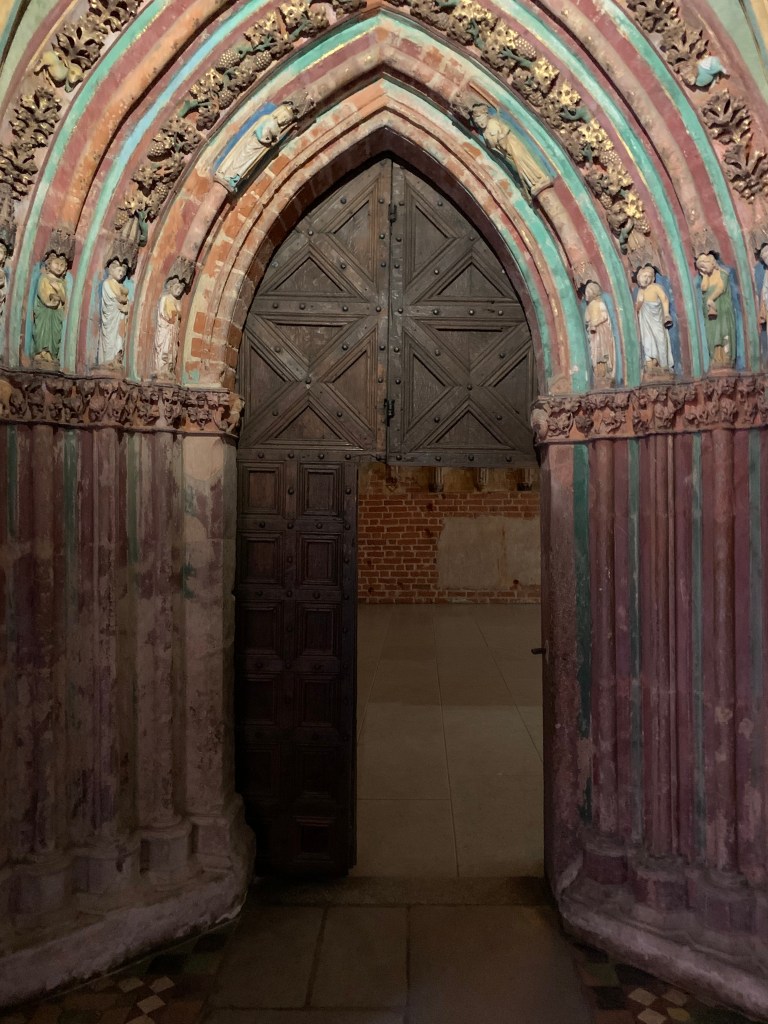
The old structure apparently could not fulfil its new functions in its current form. It took almost half a century to transform a convent house into a strongly fortified High Castle. Surrounded by deep moats and several rings of defensive walls, it housed several representative rooms. Among these are: the church of the Blessed Virgin Mary, enlarged by a new chancel, and St. Ann’s chapel beneath it – the burial site for the Grand Masters. The old settlement outside the outer walls was also expanded, becoming a spacious and functional Middle Castle available to knights – guests from Western Europe. (from their website)
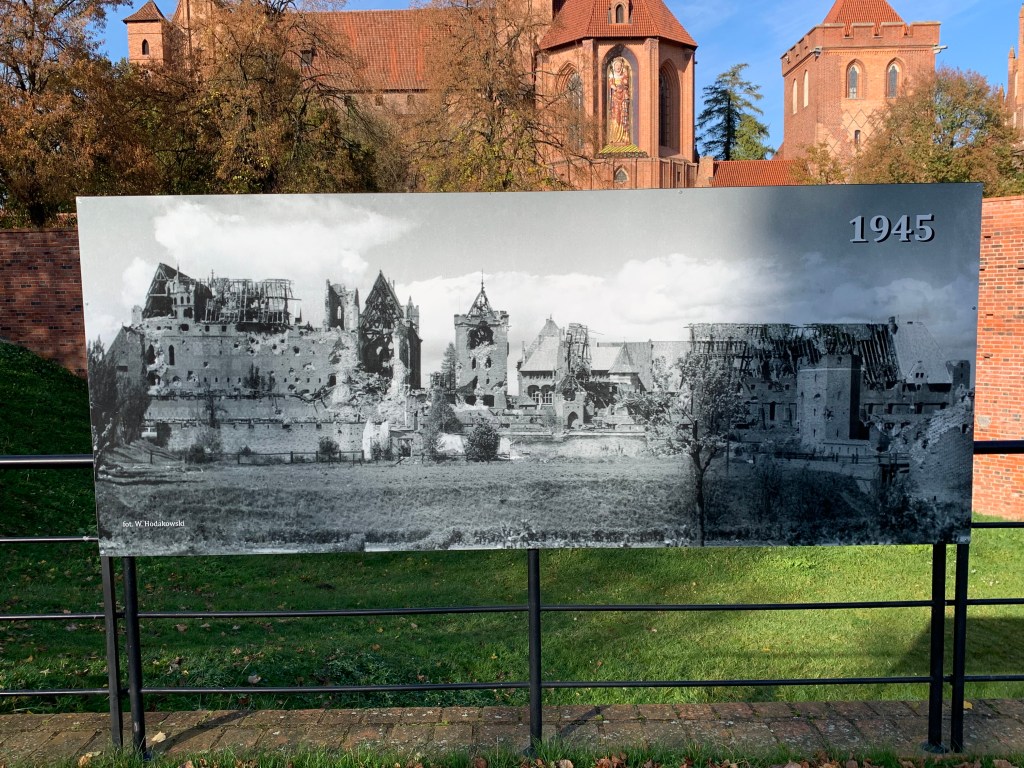
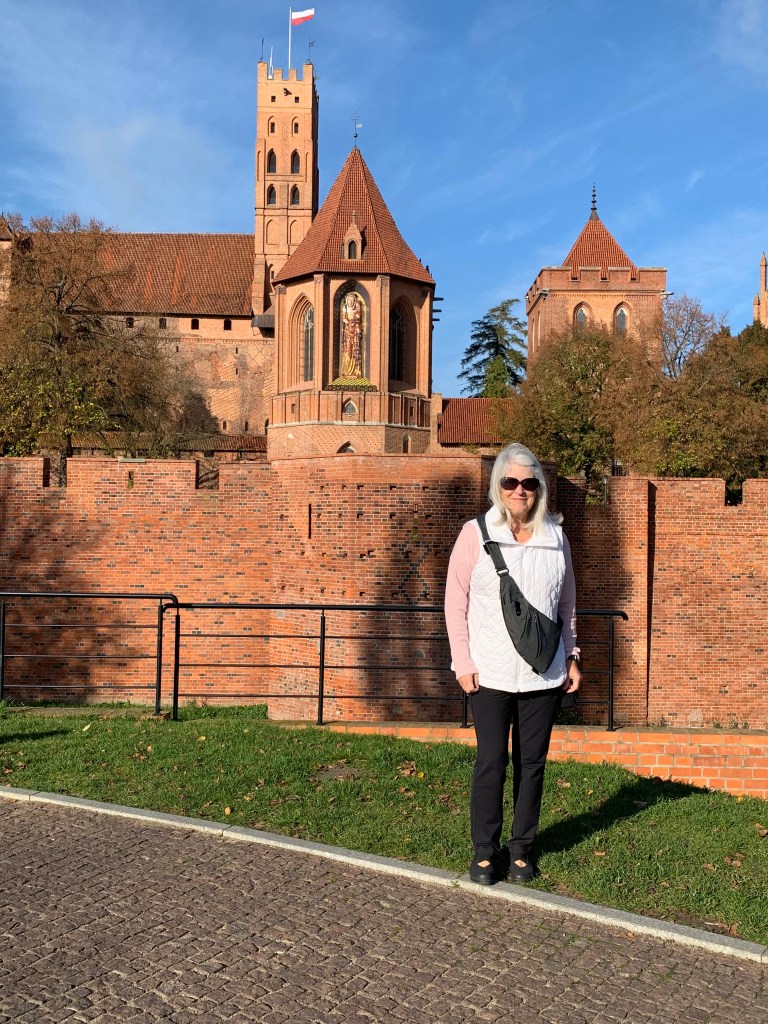
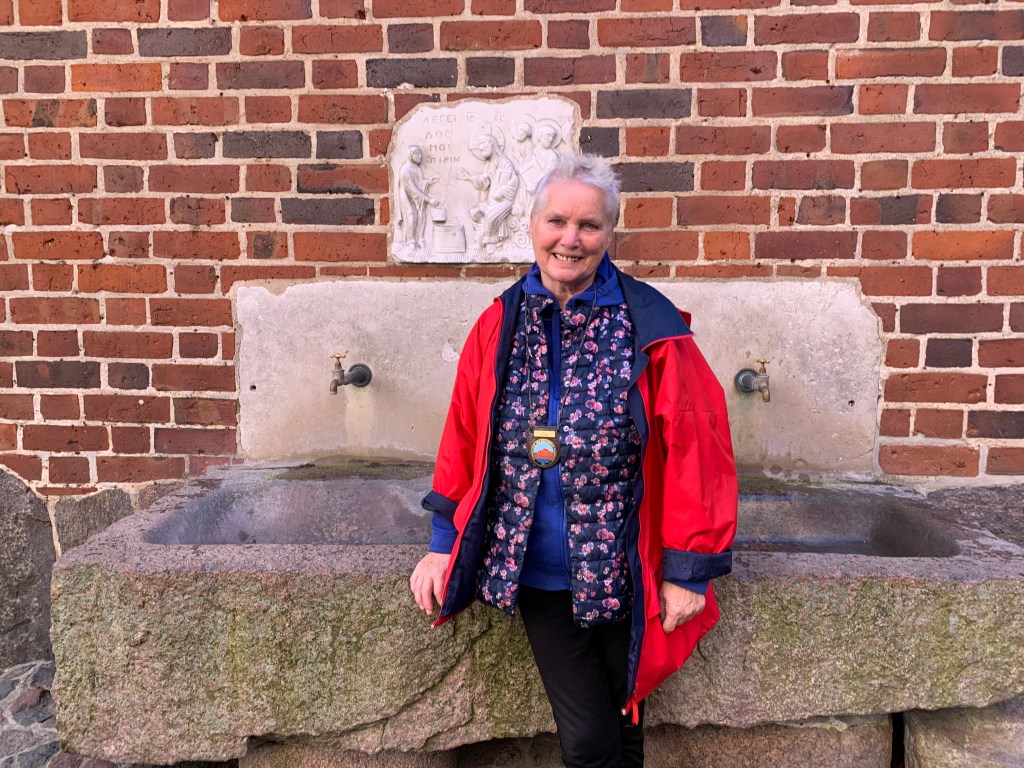
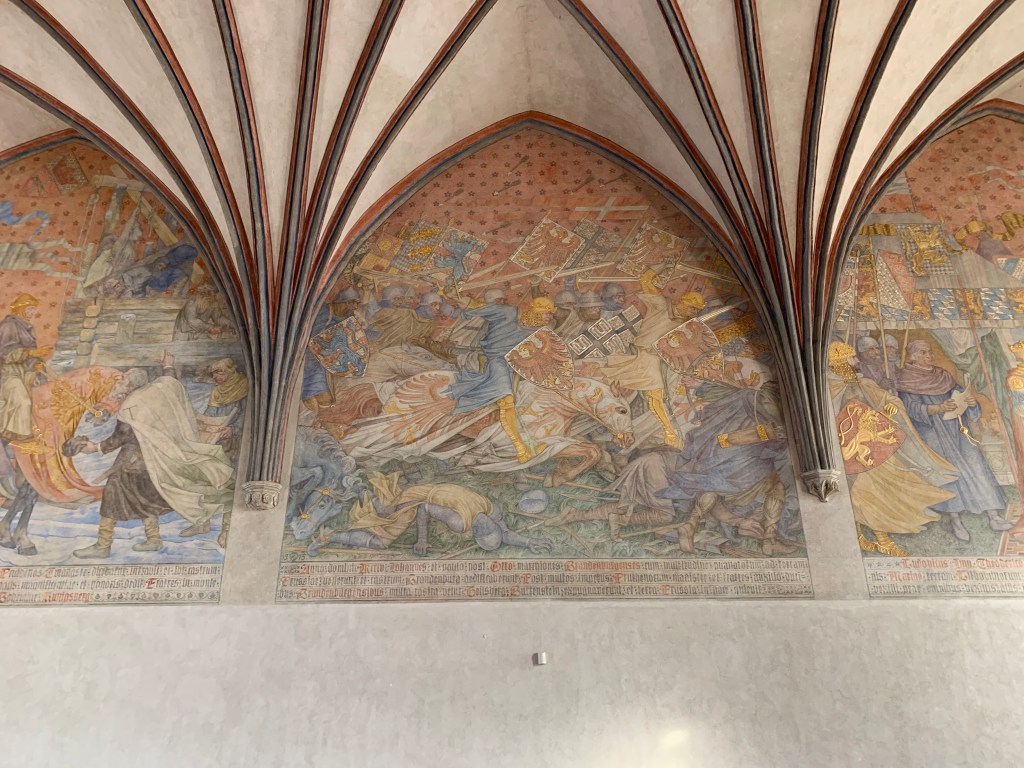
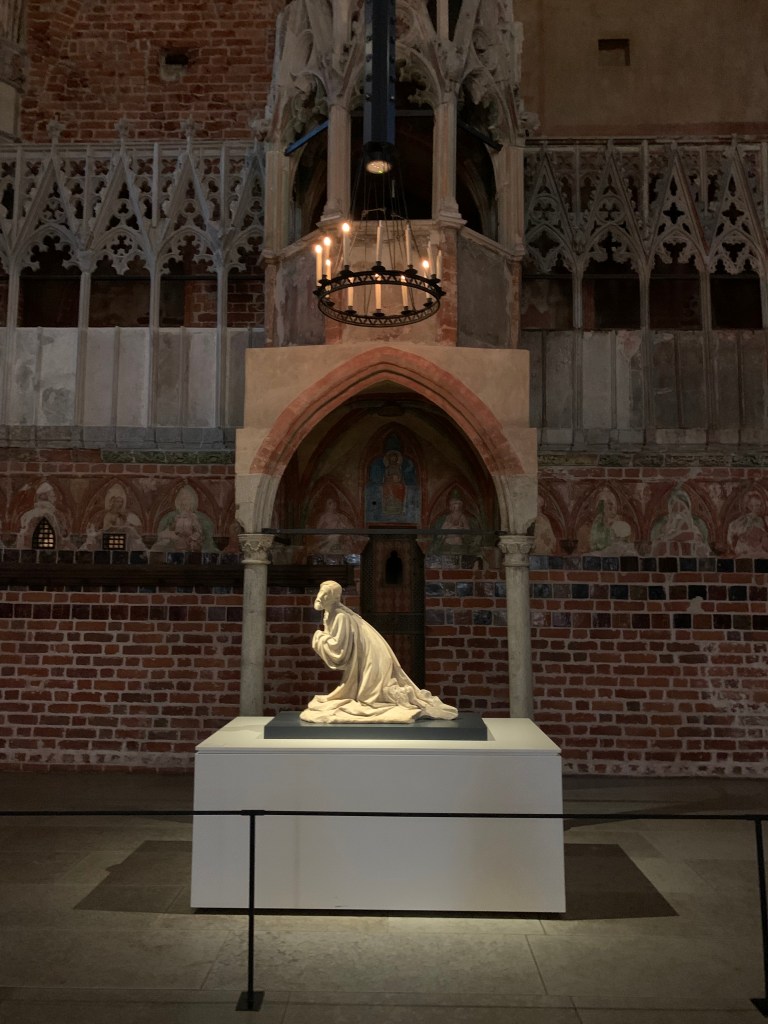
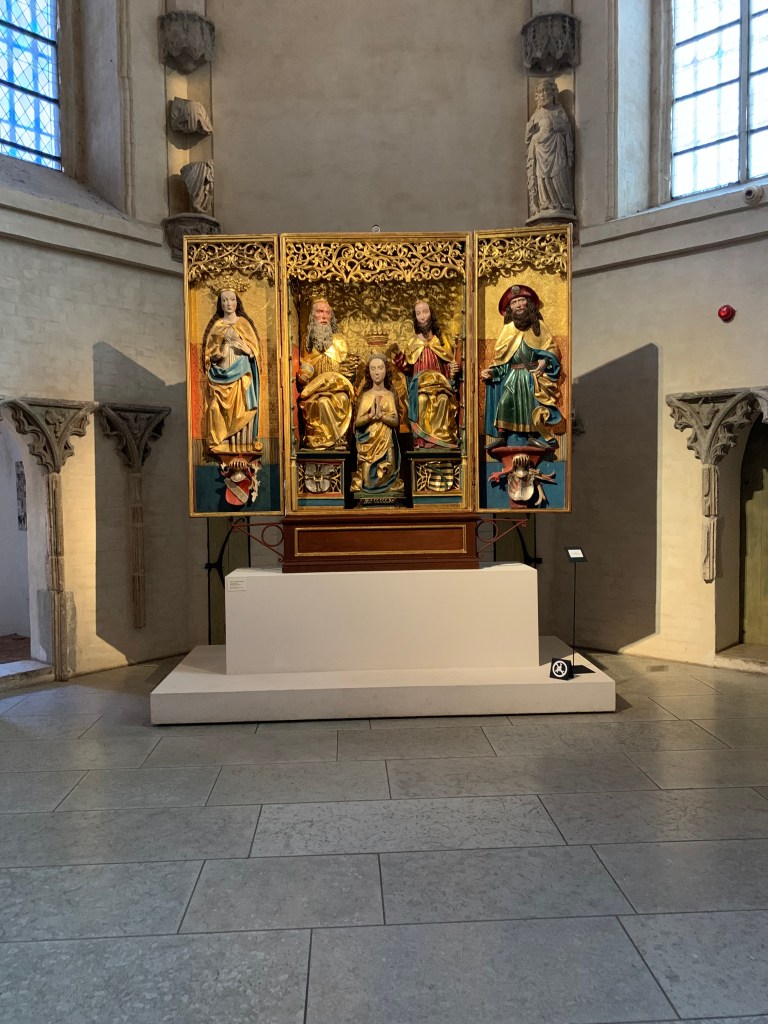
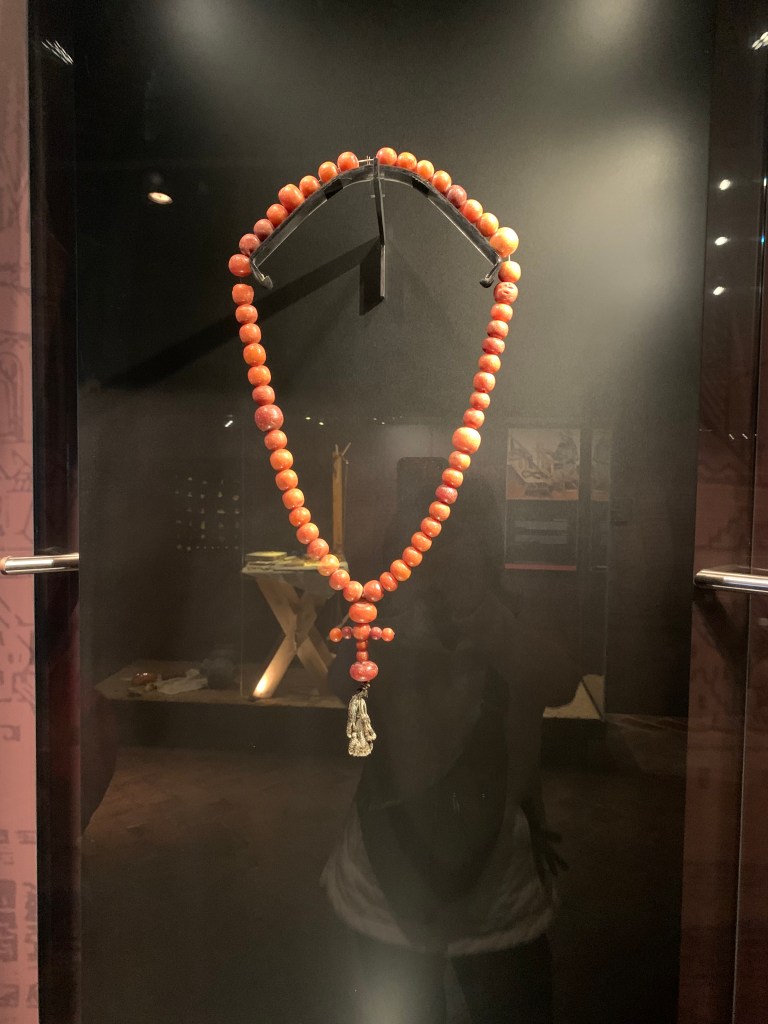
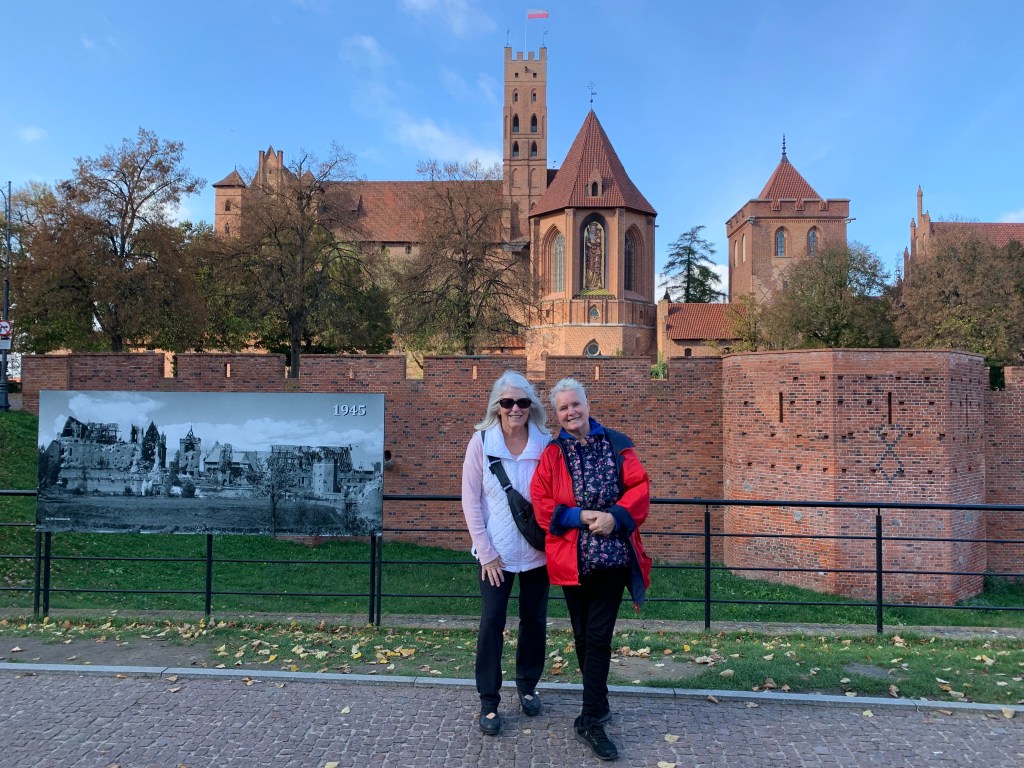
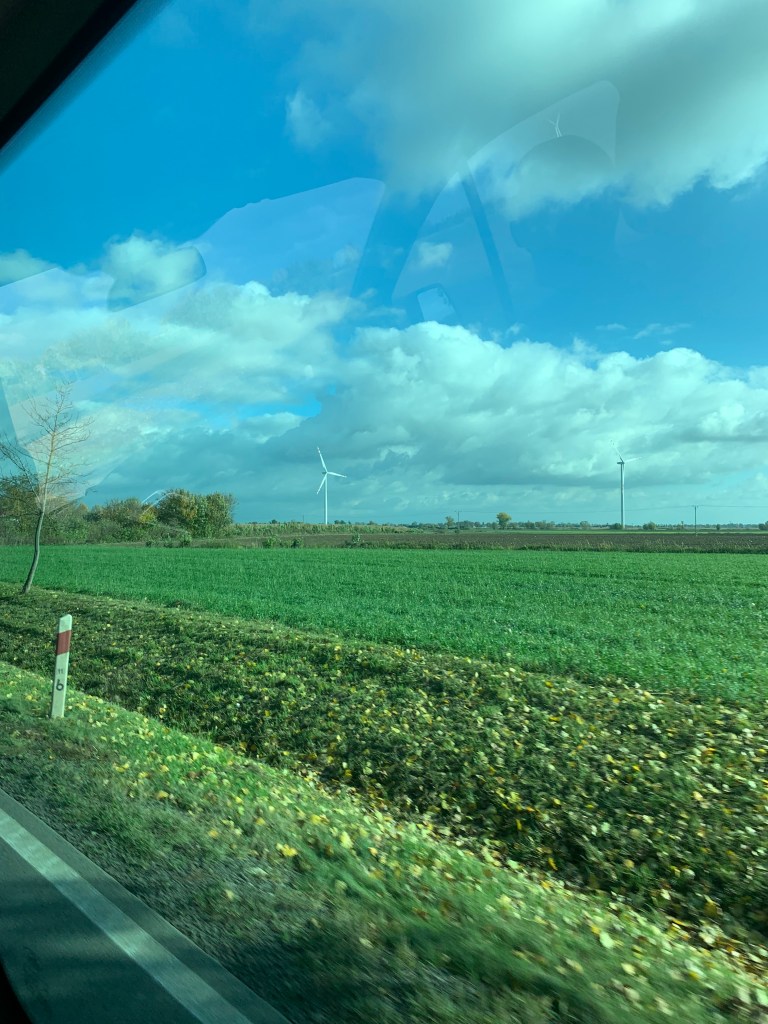
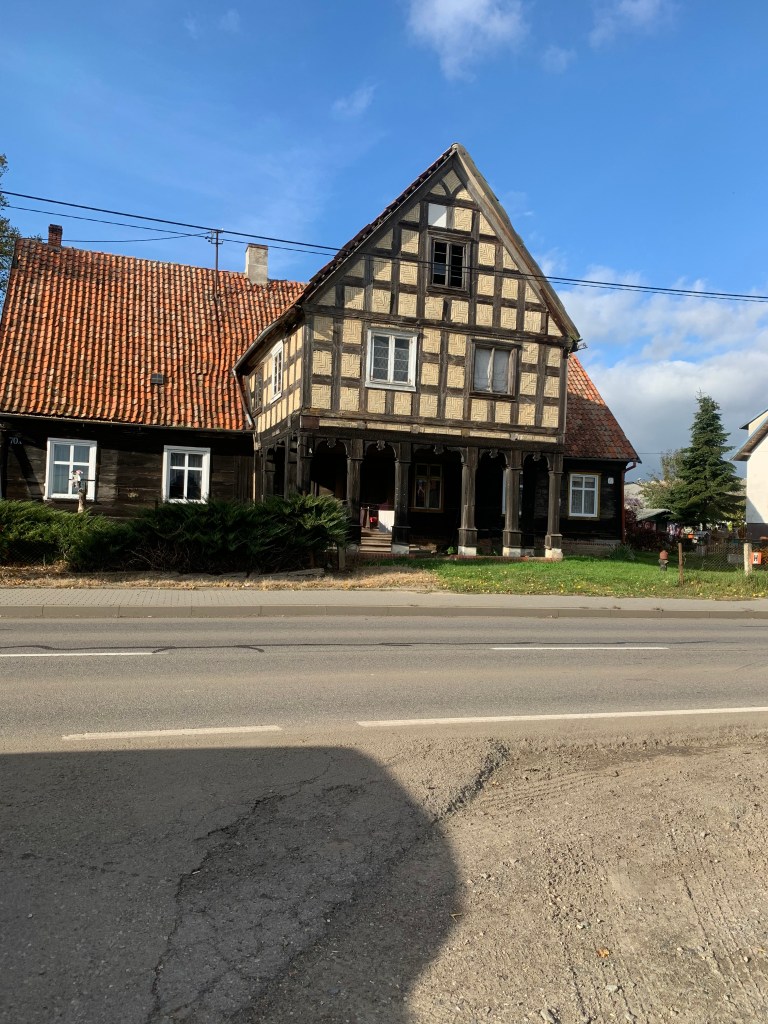
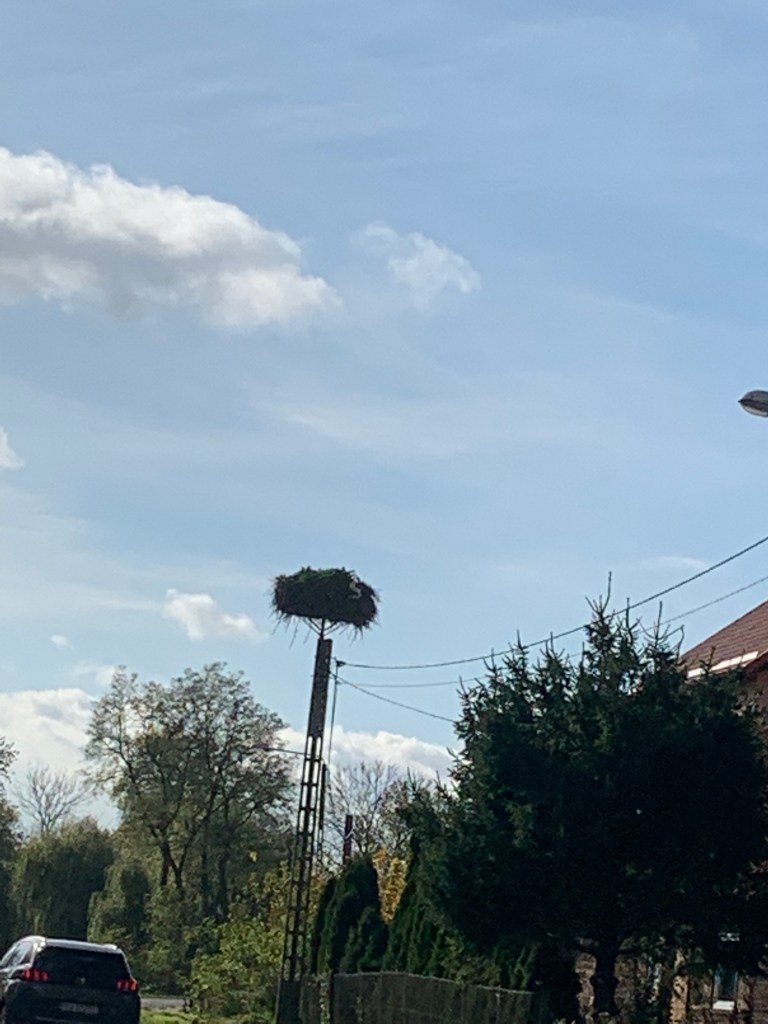
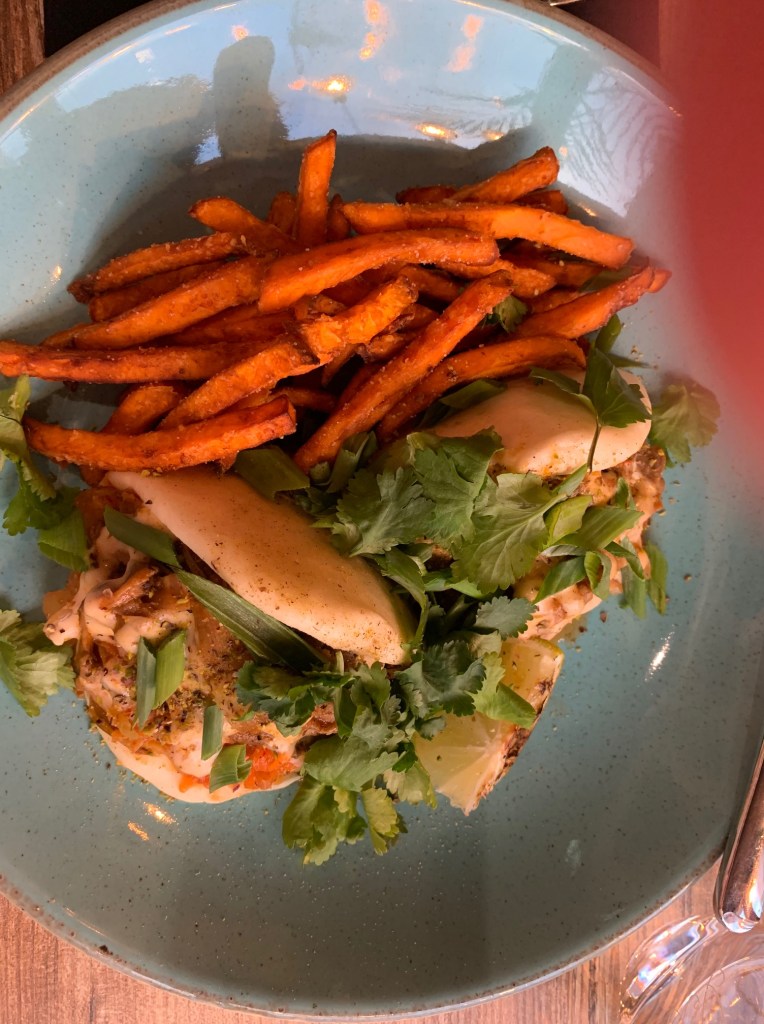
The castle was almost completely destroyed during WWII. Even a compound as fortified as Malbork Castle couldn’t escape the horrors of World War II.Today.Alicia, my guide.Frescos.Frescos.And more frescos. One more beautiful than the next.Grand Master Siegfried von Feuchtwangen and a few of his friends.Entrance to the church of the Blessed Virgin Mary.I don’t think this was the original alter. This alter was recovered from a nearby castle of the same period.Amber rosary beads. My mom collected rosary beads; I immediately thought of her when I saw these. Miss you mom.Saying goodby.The castle is massive! My pictures don’t really do it justice.Alicia and I ending where we started from.Saw lots of wind turbines on the way to and from Malbork Castle.Polish Mennonites. They settled down in Żuławy near the Malbork Castle. Zulawy is Poland’s largest area located below sea level. Historically the area was an estuary of the longest Polish river, the Vistula, which flows into the Baltic Sea. It was in the 14th century when the arduous process of taking the land from the sea started. Poland was the most tolerant kingdom in Europe. It was here where they could find new home, peace, and freedom. The Polish Mennonites were skillful farmers and the cheeses from Żuławy were appreciated all over Europe as a great delicacy. Who knew??A stork’s nest!! In Żuławy. Legend has it the Pols welcome the birds in their village and on their roofs (or poles–no pun intended) in exchange for good luck. Again, who knew? In the US, storks bring babies, right?ENDI WINE HOUSE, Sopot. Dinner this evening. Almost went back to the apartment for leftover pierogis. Glad I didn’t! Bao with oyster mushrooms, chives, coriander, sweet chilli soyonnaise and a side of sweet potato fries. YUM! Not quite a dumpling/pierogi, not quite a crepe, not quite a basket bun, bao here was a DELICIOUS way to encase oyster mushrooms and all the fixings with a side of sweet potato fries. This dinner was delicious! A great way to end a great day.
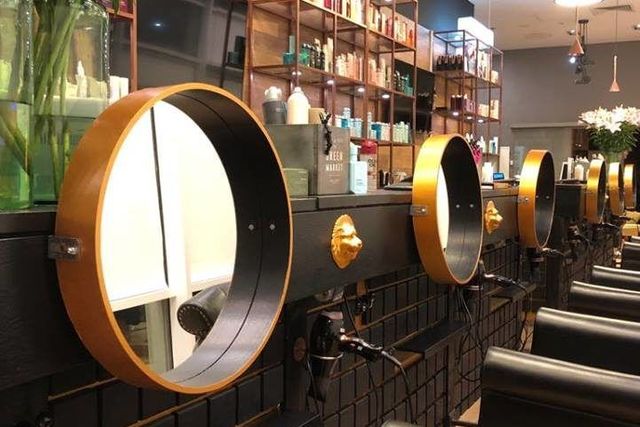
and I got my hair trimmed today. I have been here so long, I am starting to do every day simple things.
Tell Betty Ann that I still love her and will be back in early December.Can’t figure out how to add a video. I think I have to upgrade to post videos. Stay tuned.
And I made eggs and kielbasa yesterday, Sunday morning. They don’t refrigerate their eggs here. I wonder why we refrigerate our eggs but not Poland? I wonder what other countries do? And I can’t find cream or half and half for my coffee. I’ve been buying lattes.
On the menu this evening: bread and brie as our appetizer, fish soup and spinach pierogi. I’m also still not sure about the pierogi thing–is pierog singular? And pierogi plural? So, what is pierogis?? Do we rarely use single, pierog, because everyone almost always eats more than just one.
PS forgot to take a picture of dinner. It was good!
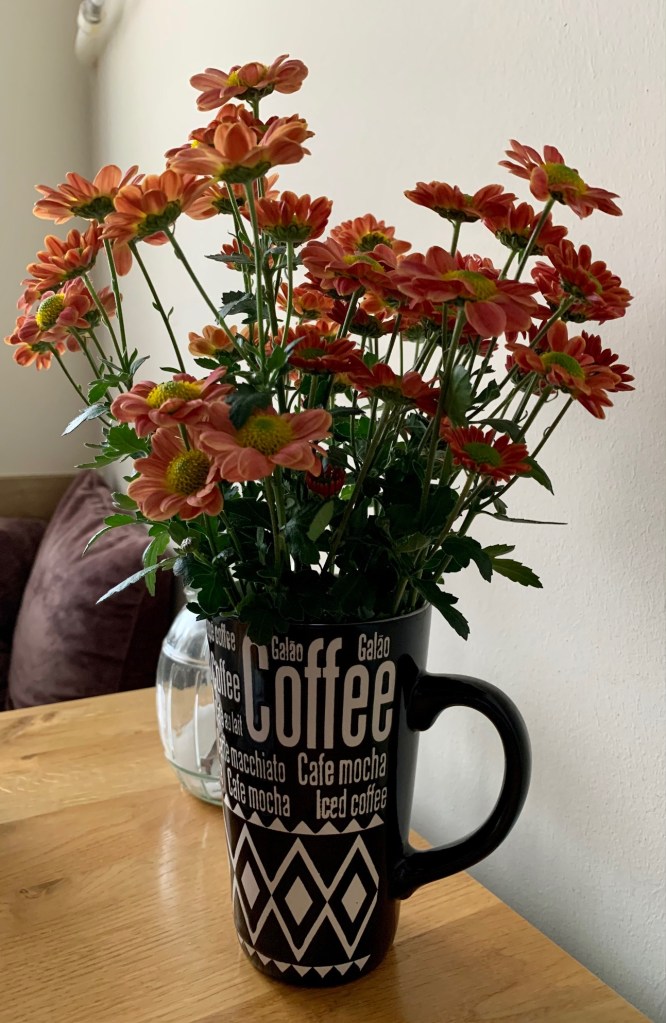
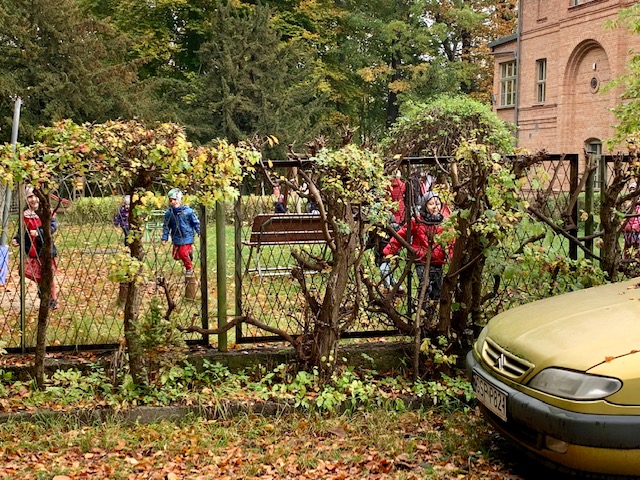
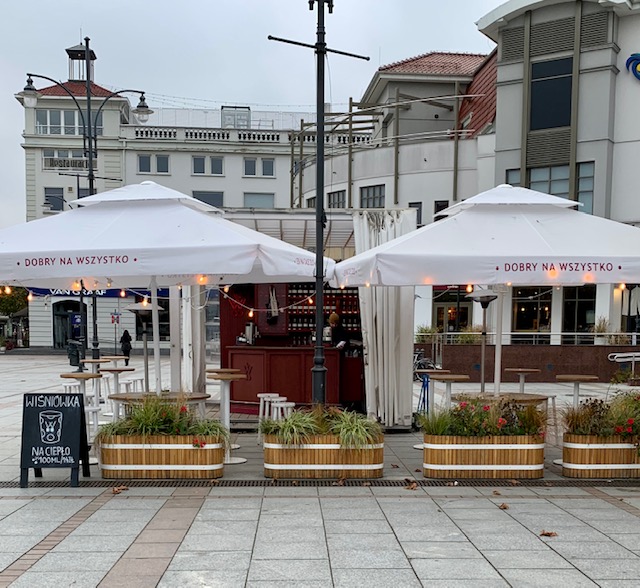
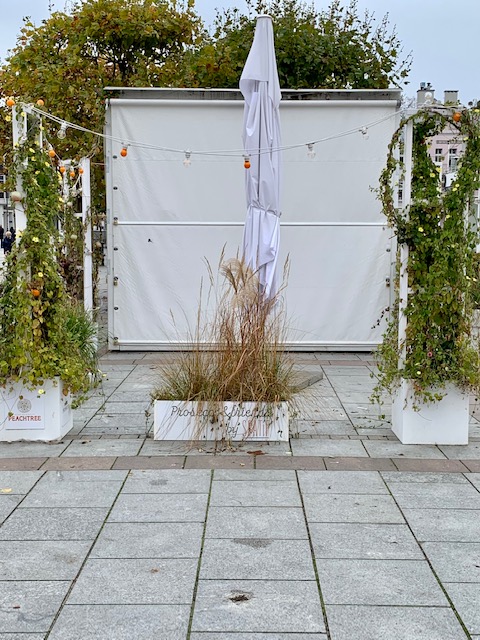
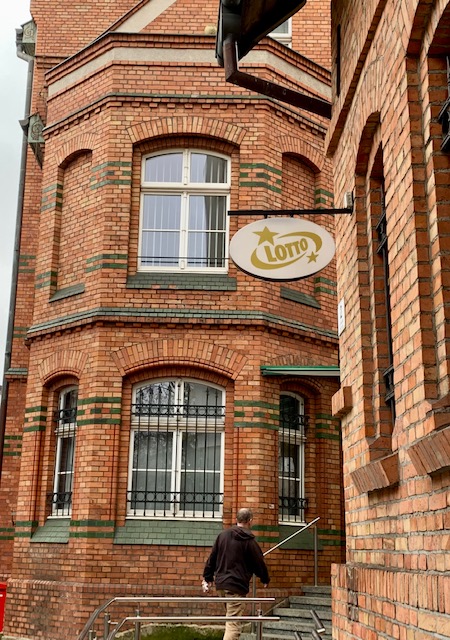
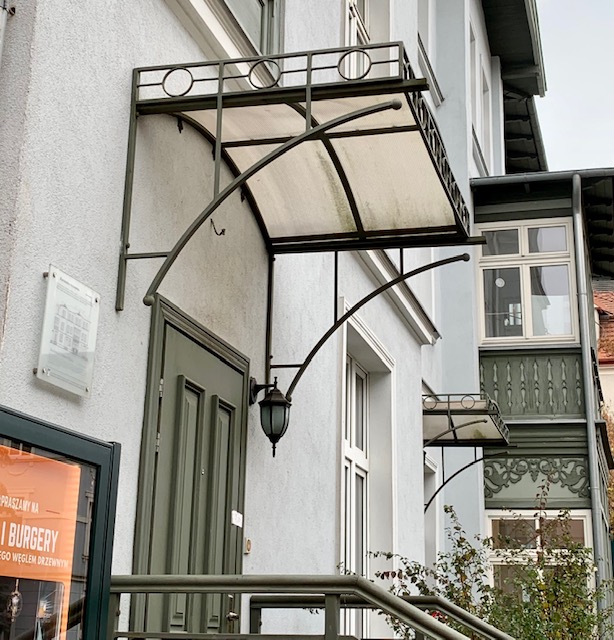
I bought the soup here.Bought flowers today at the market.Preschool next door.I watched them install a couple of new “pop-ups” on the mall today. This I think is a vodka stall. Wisnowka is a sweet Polish cherry liqueur made by soaking cherries in vodka? Doesn’t really sound very good. Does it?This is going to be a Prosecco stall. Prosecco and friends. More to my taste.I love this building. I walk by it almost every day.Love this door canopy.
Going to the World Series. My sister, Mary, asked if I knew what a terrific month this has been for Philadelphia sports fans. We do! Sorry for not congratulating sooner–I’m having such a good time, I forgot. Most Phillies games are on at 2AM(ish) and we don’t get live; Mike has been recording and watching in the morning. I have been getting most of my highlights via the internet/youtube. Mike said that based on our raucous fan history the city has already started greasing the flagpoles and streetlamp poles. Congrats again and be safe.
And it seems like congratulations and best of luck wishes are also in order for our Eagles. 7 – 0! This Sunday the Steelers. Maybe I can watch in Norway. I leave Sunday for Bergen, Norway to board my Northern Lights cruise.
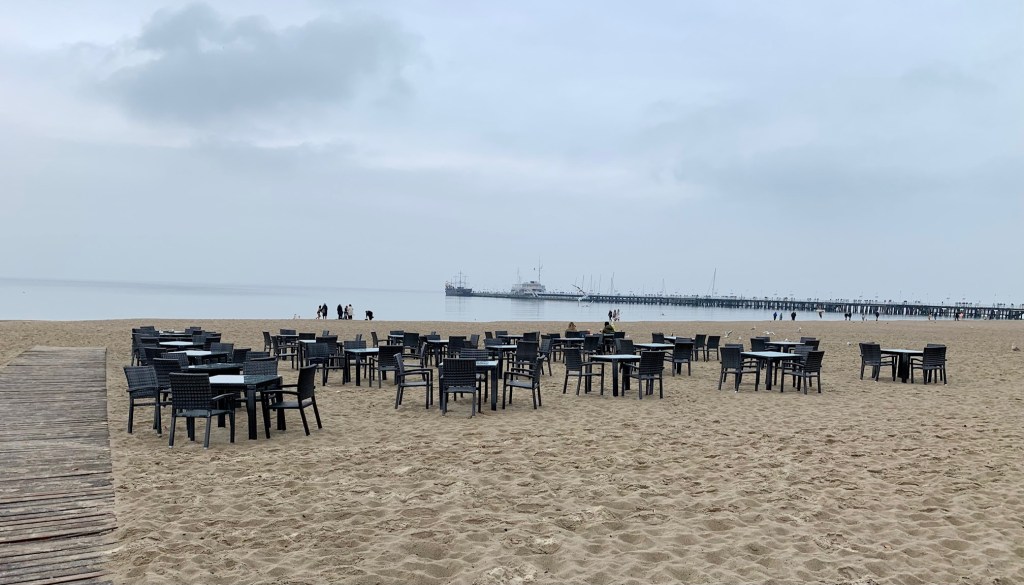
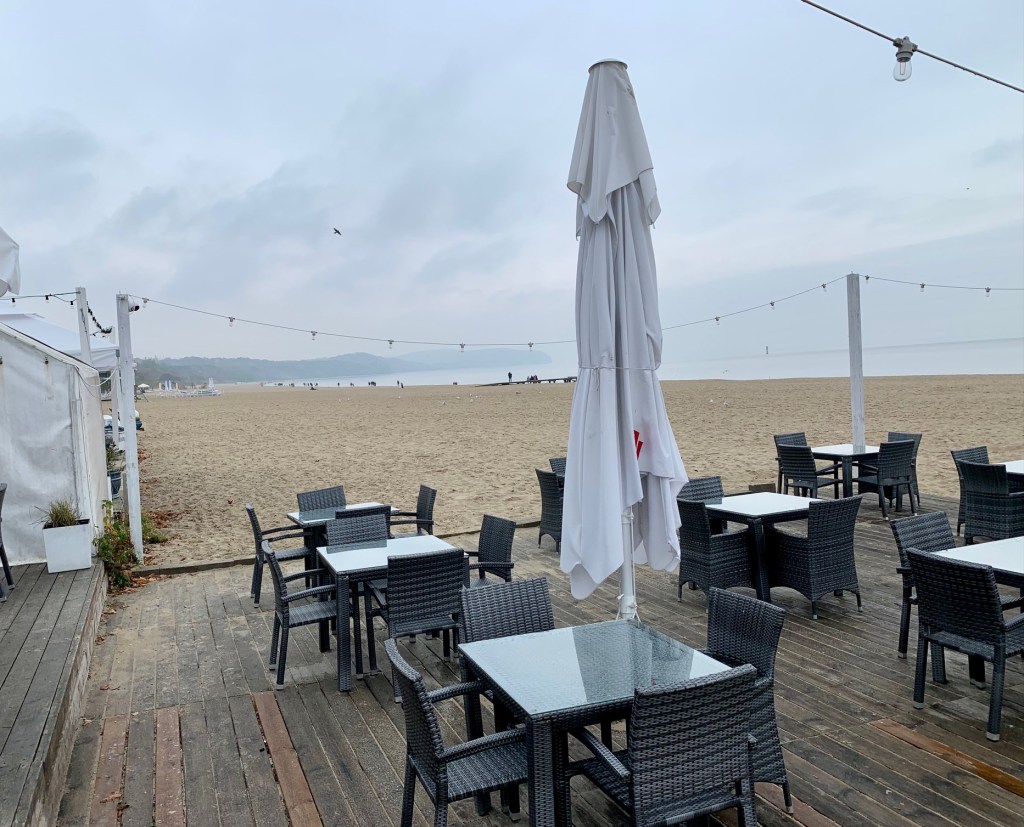
Today was foggy and overcast all day, but no rain. : ) Foggy day pictures,
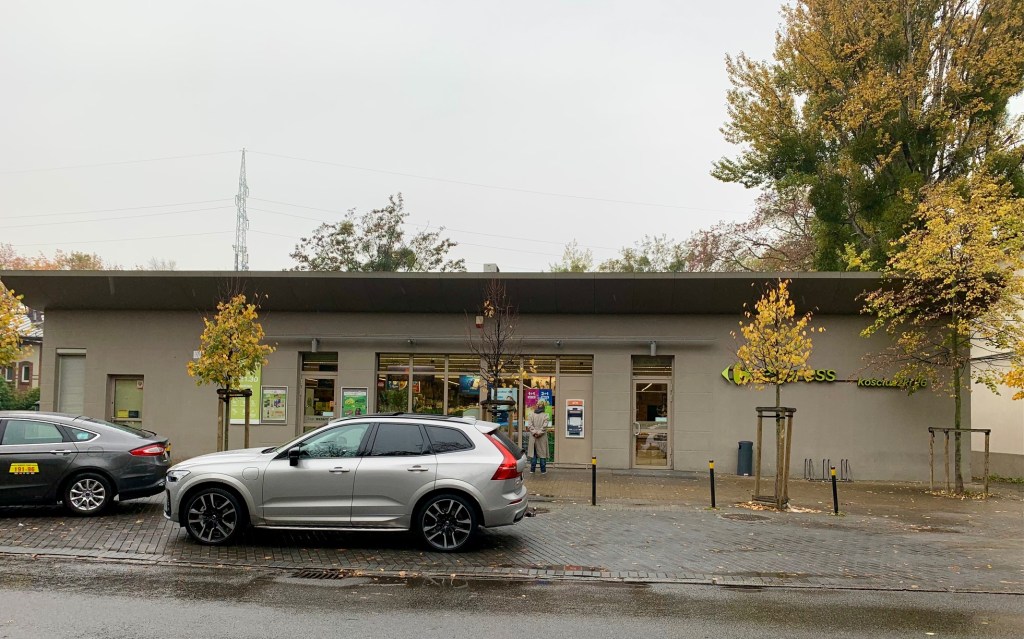
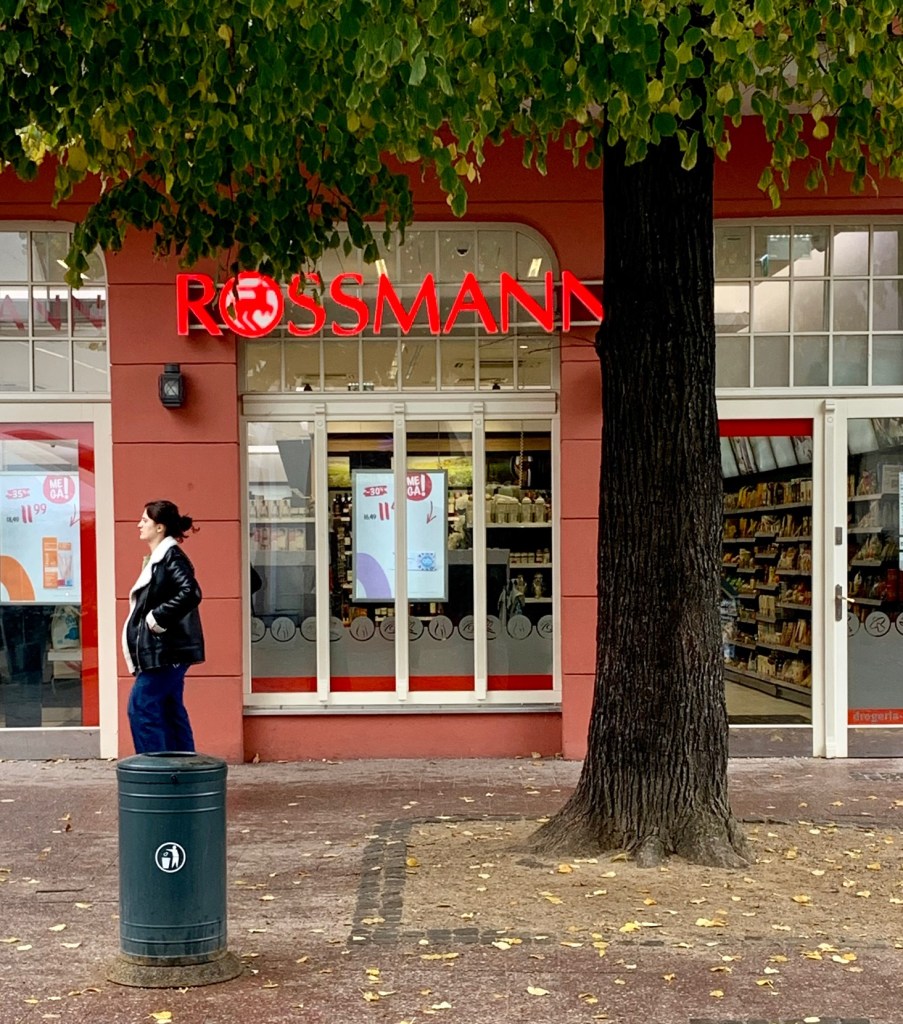
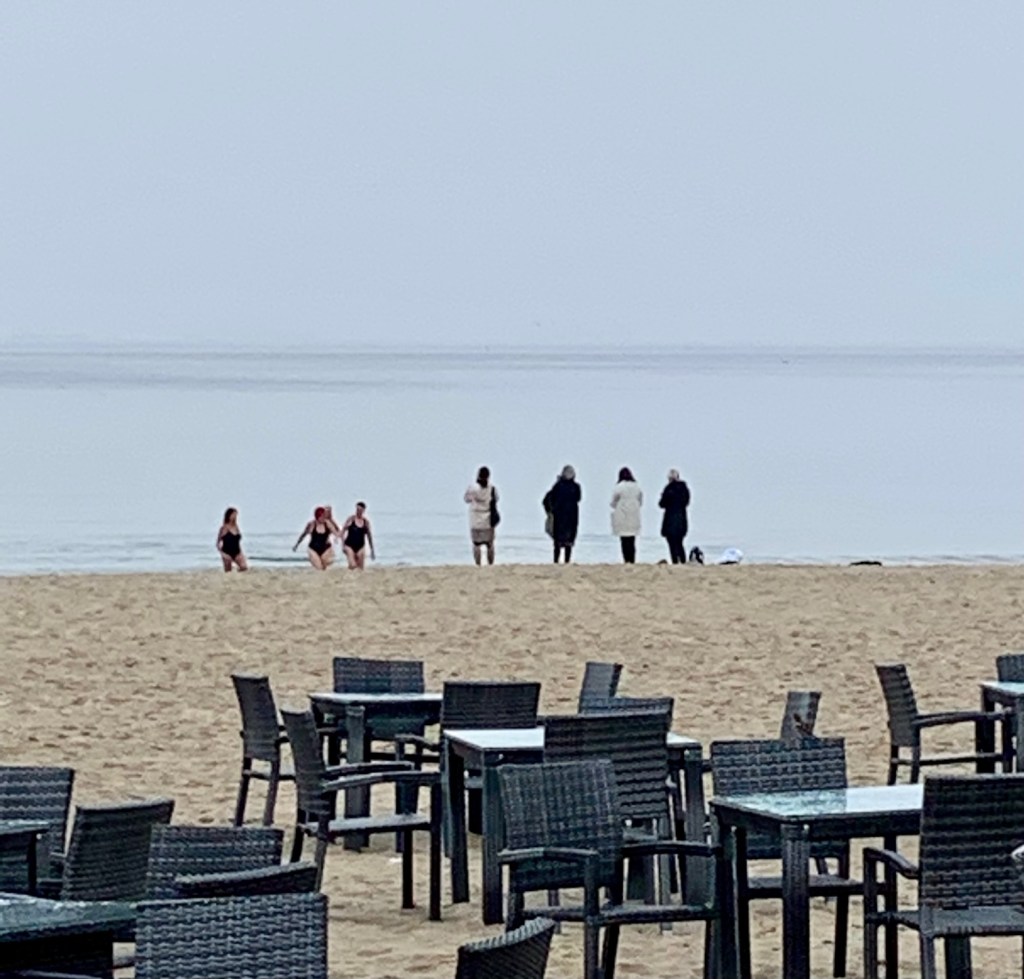
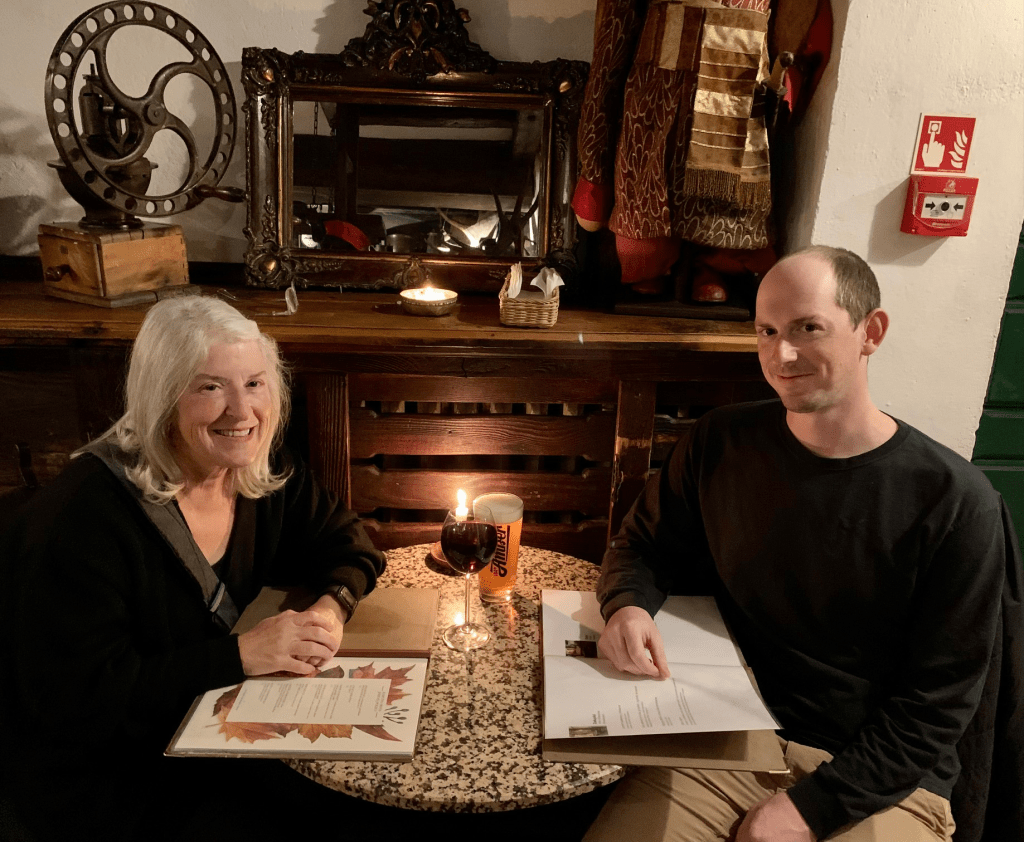
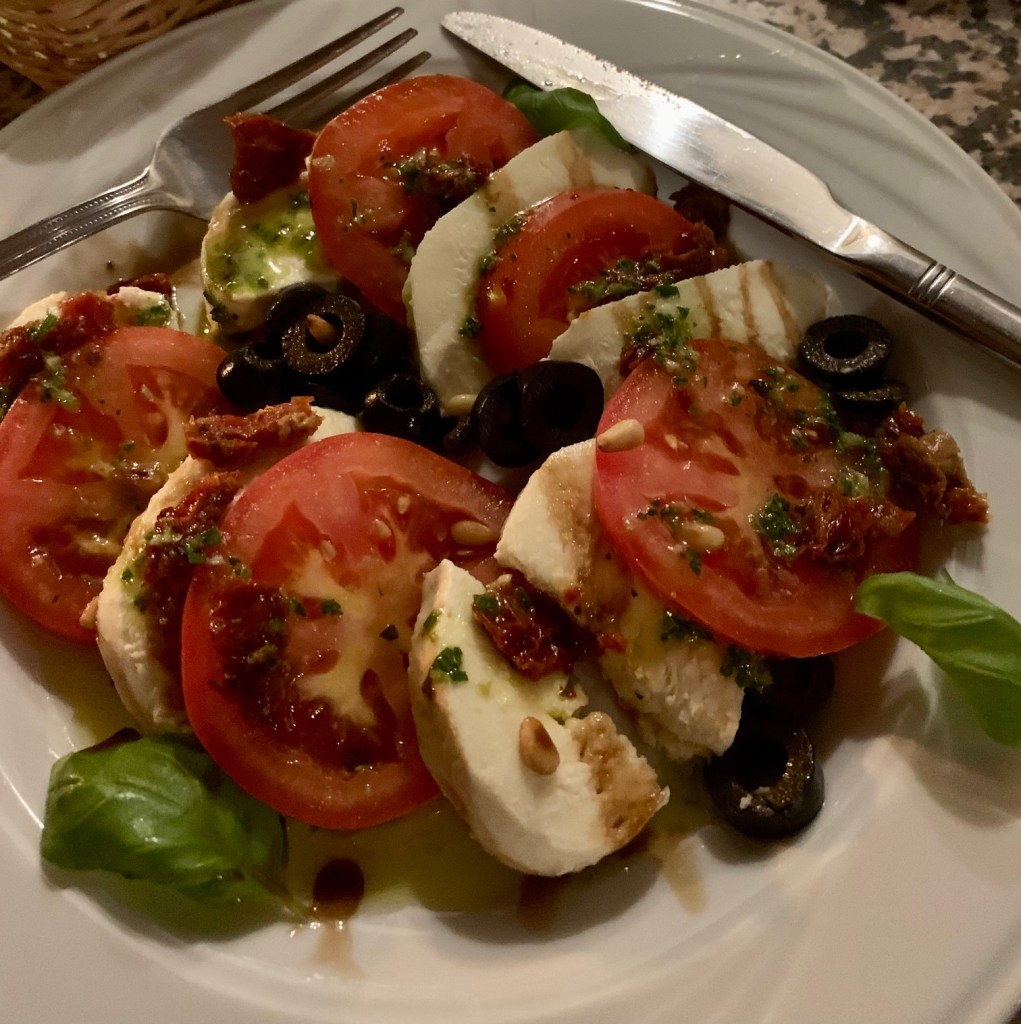
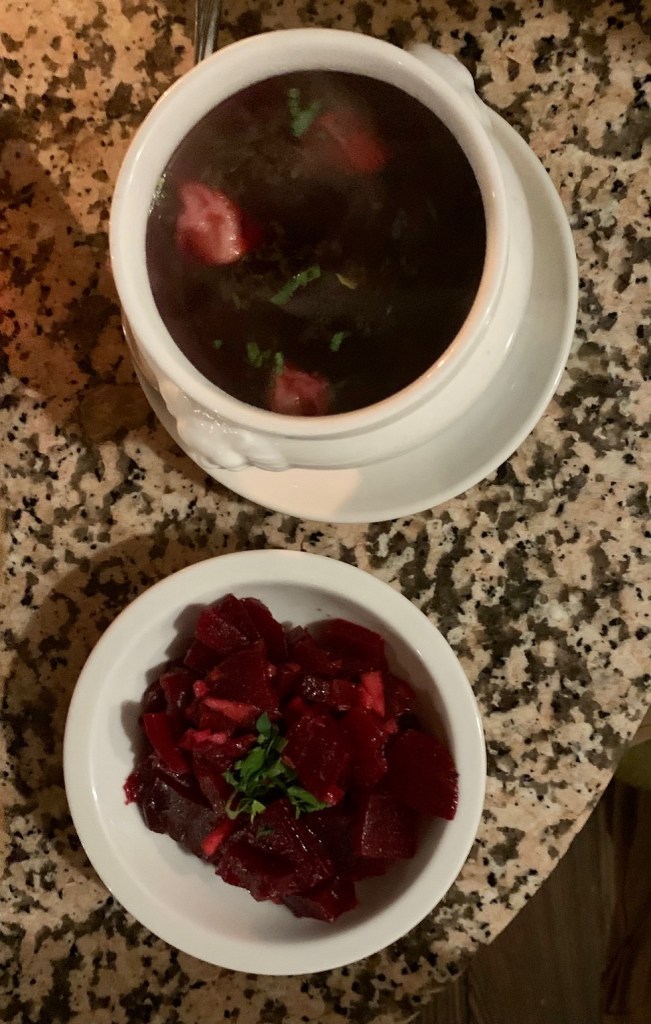
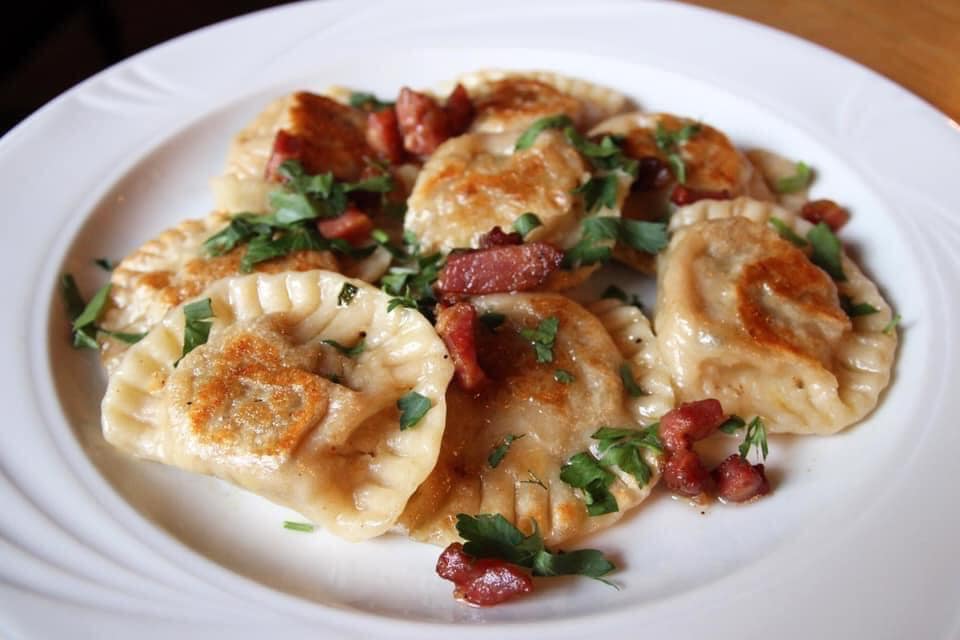
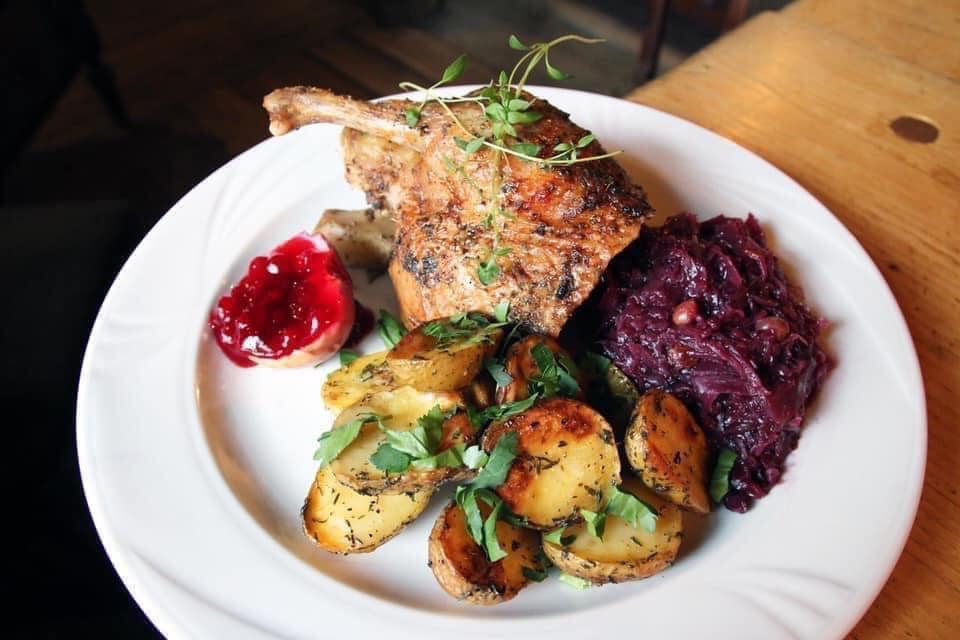
Express Kosciuszki. The food market I go to. Tomorrow I’m making eggs and kielbasa. Kielbasa zwyczajna.Rossmann on the mall. You can buy cosmetics, underwear, household chemicals, toilet paper and tissues or dog food. This store also sells human food and wine. True definition of one stop shopping.Foggy view of wooden pier.Foggy view towards mountains.Foggy day didn’t stop the polar plunge. Brrr.Dinner at Karczma Irena. In search of the perfect pierogi.My tomatoes with mozzarella, pine nuts and sun-dried tomatoes appetizer.Mike’s clear beetroot soup appetizer.Near perfection.Mike’s duck dinner.Sopot in the evening.Mike waiting for me.
Culture shock,
(well, maybe not all shock, but definitely cultural differences)
Polish language is completely incomprehensible.
Poland is fairly inexpensive, especially food and drink.
Natural beauty – there is a lot of open space.
Very clean; trash cans everywhere.
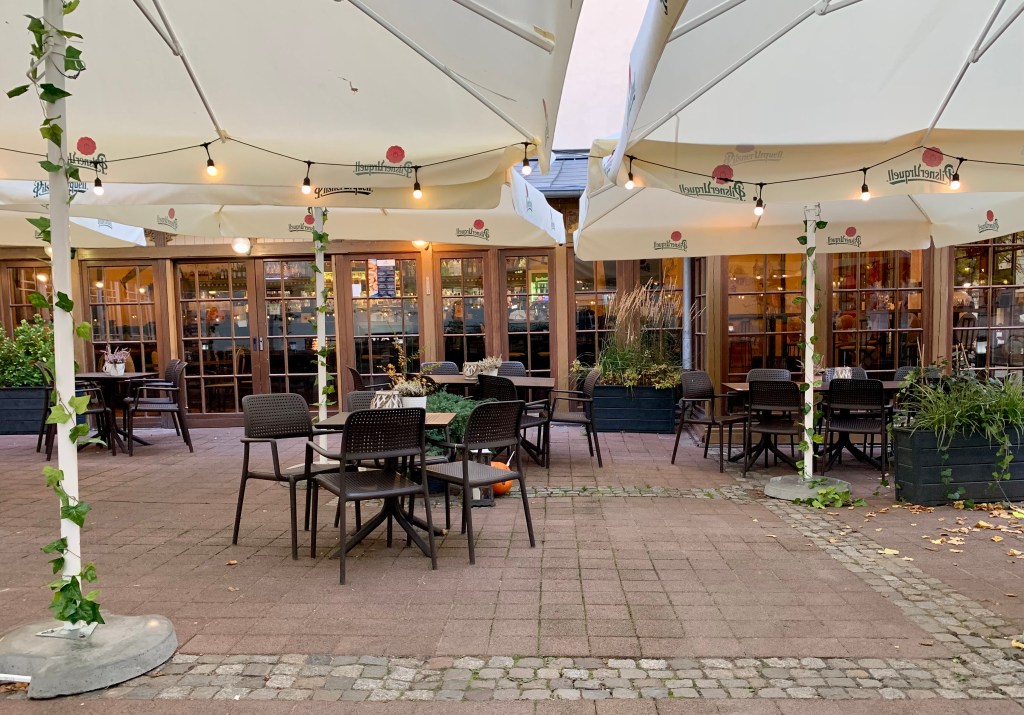
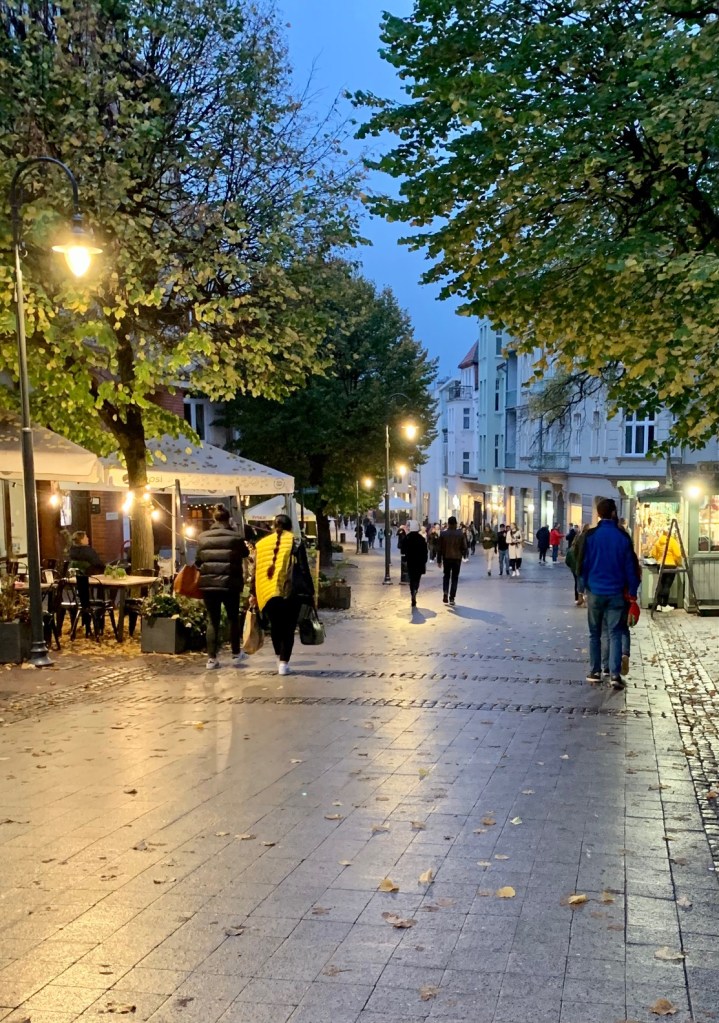
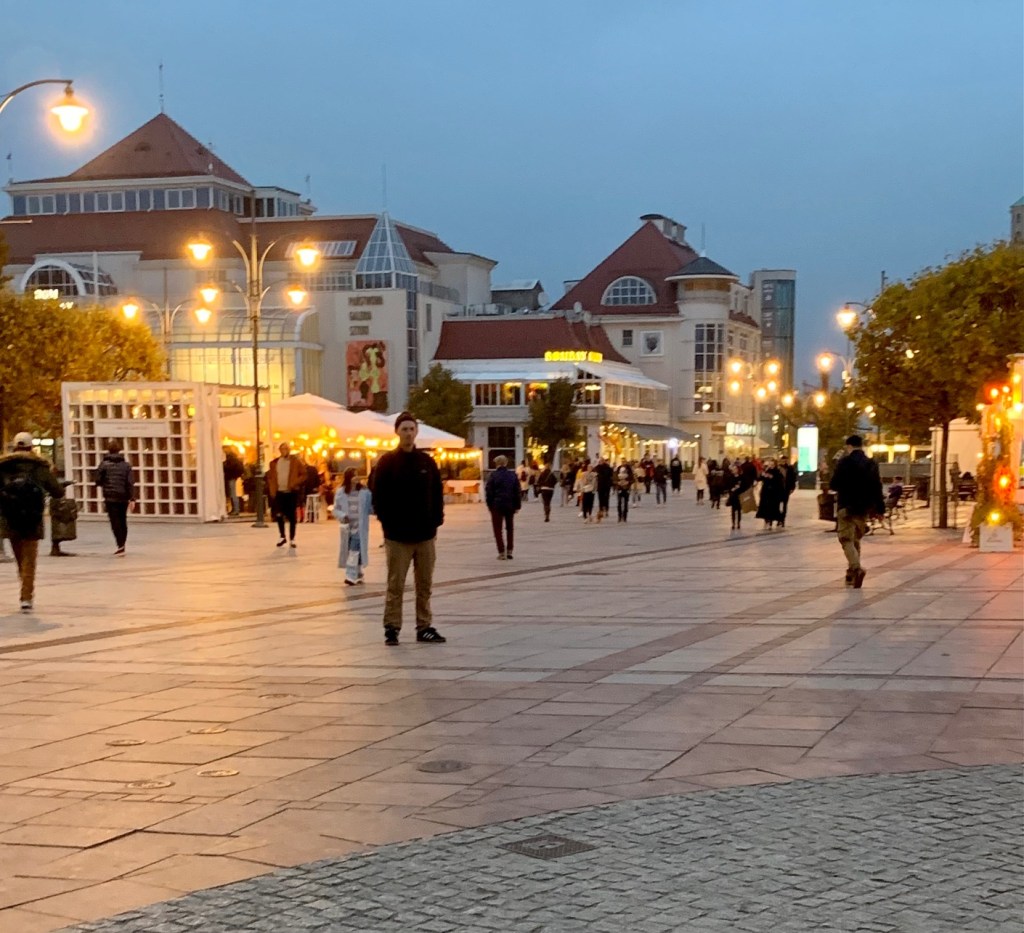
There are town squares in every city, large or small, with lots of restaurants and shops.
People kind of walk into you if you don’t get out of their way (shock).
Tipping is not expected and not the norm.
Service wise it’s not the most attentive or fast, but you’ll get your food and/or check eventually. Hey, I’m in no hurry, I’m on vacation.
 Dream to Travel from NCM