Ghent, day two.

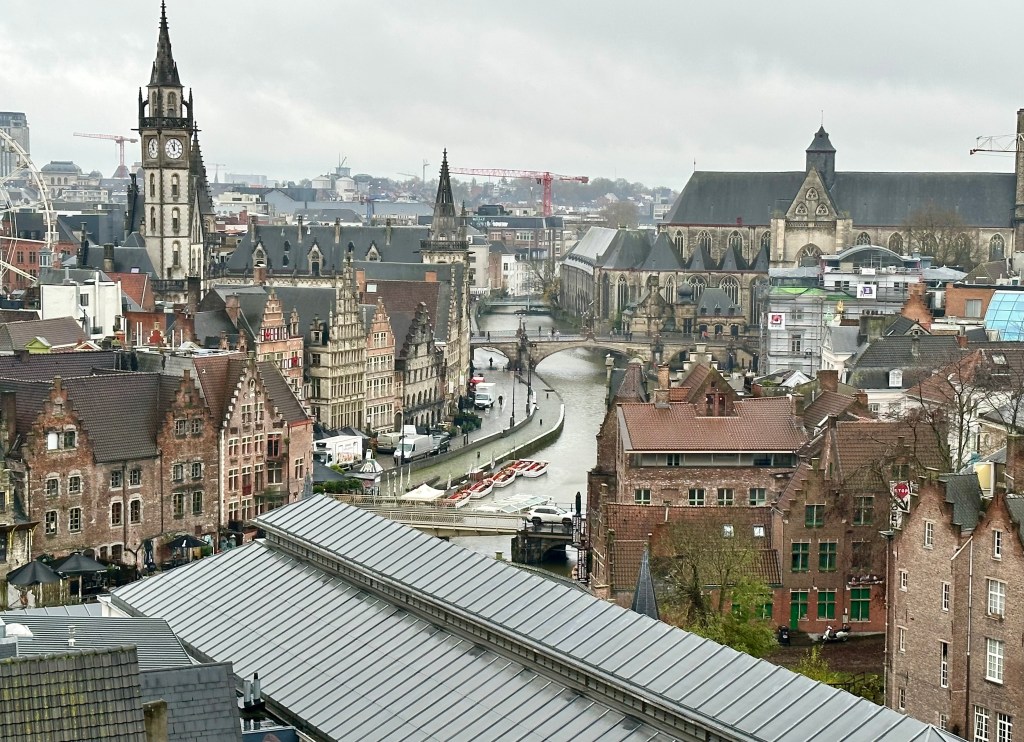
Good morning, Ghent!
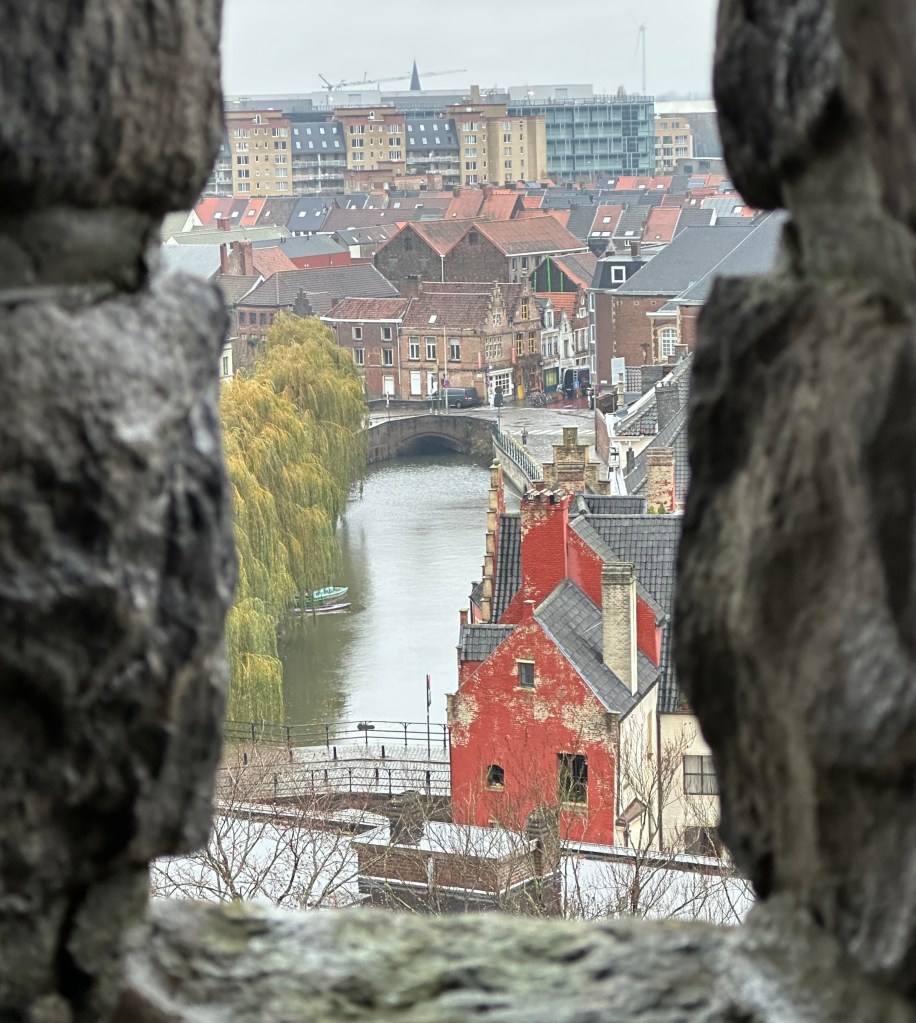
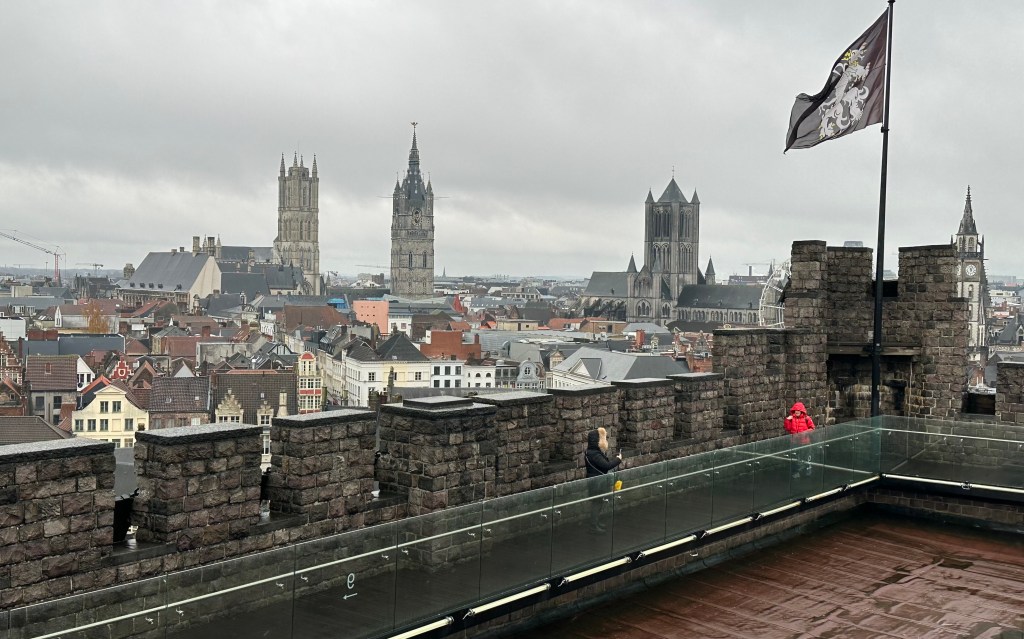
The Gravensteen is a medieval castle in Ghent, East Flanders, also known as the Castle of the Counts.
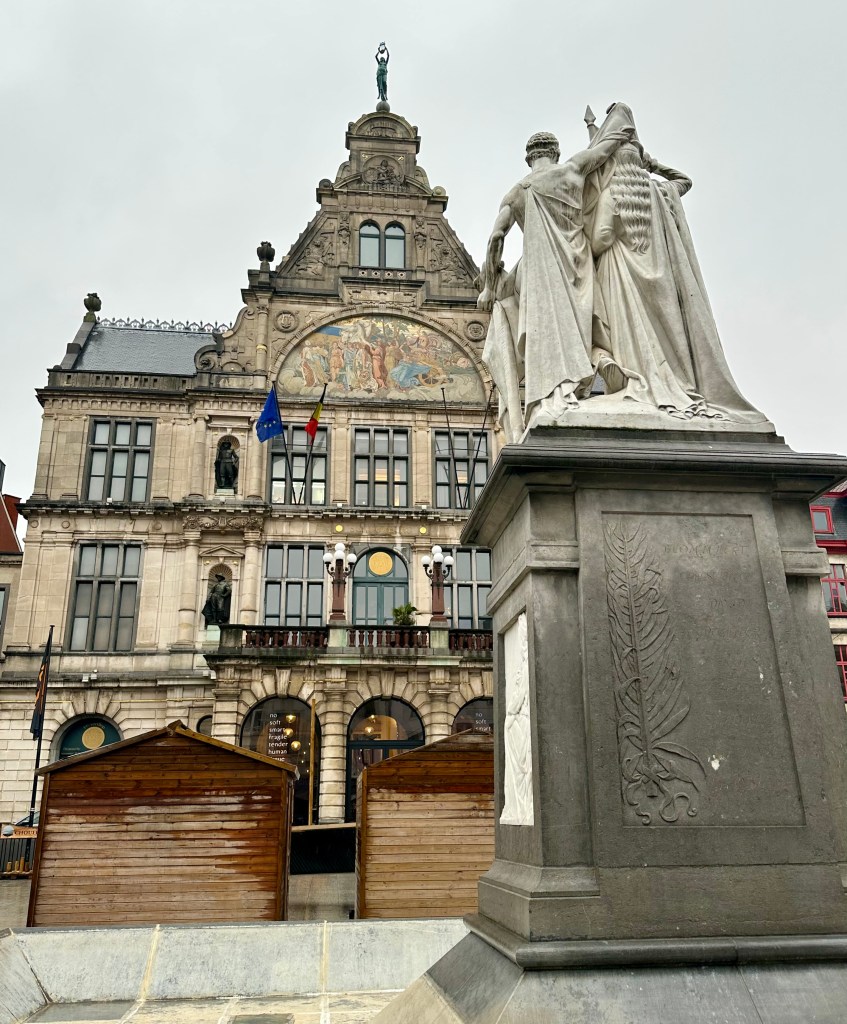
Another rooftop view.
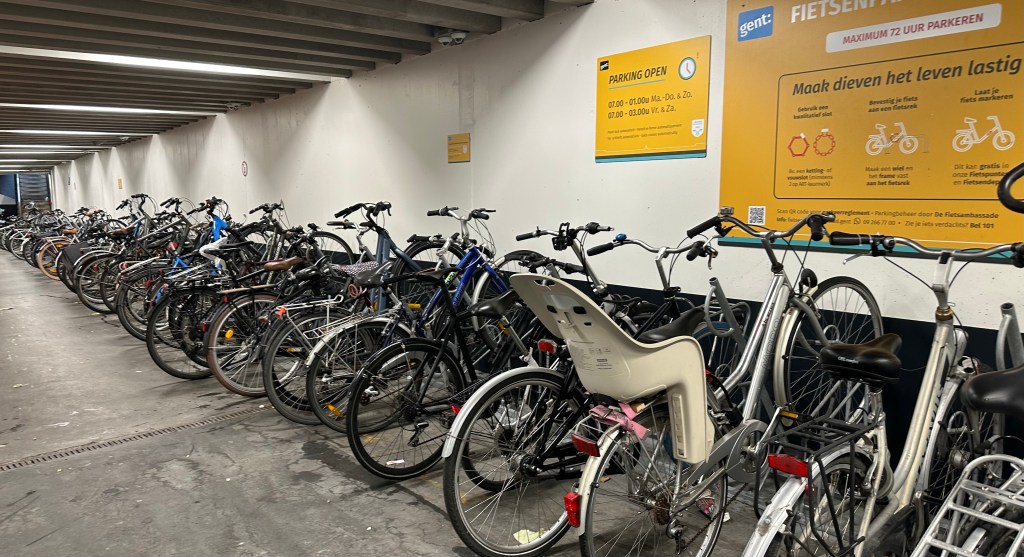
Bike garage! It was huge. Bikers everywhere.
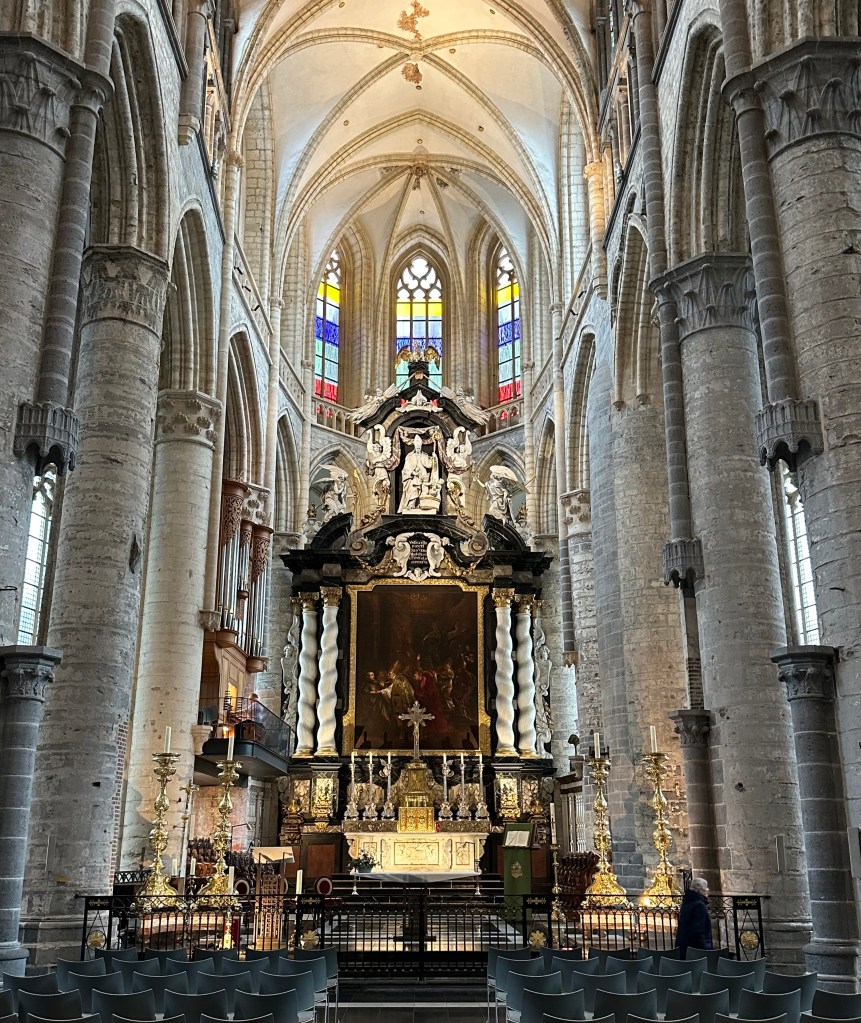
Saint Bavo Cathedral in Ghent.
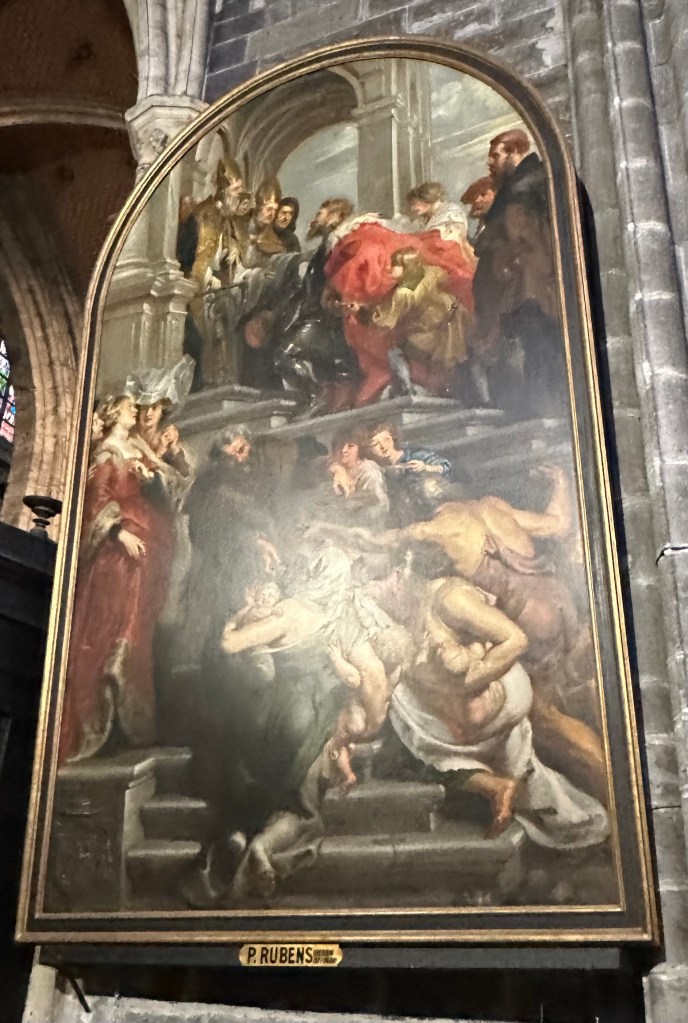
Saint Bavo enters the Convent at Ghent by Peter Paul Rubens is an altarpiece dated 1623 – 1624.
It was commissioned as the high altarpiece for Sint-Baafskathedraal in Ghent by
bishop Antoon Triest (1577–1657). It is still in the cathedral today.
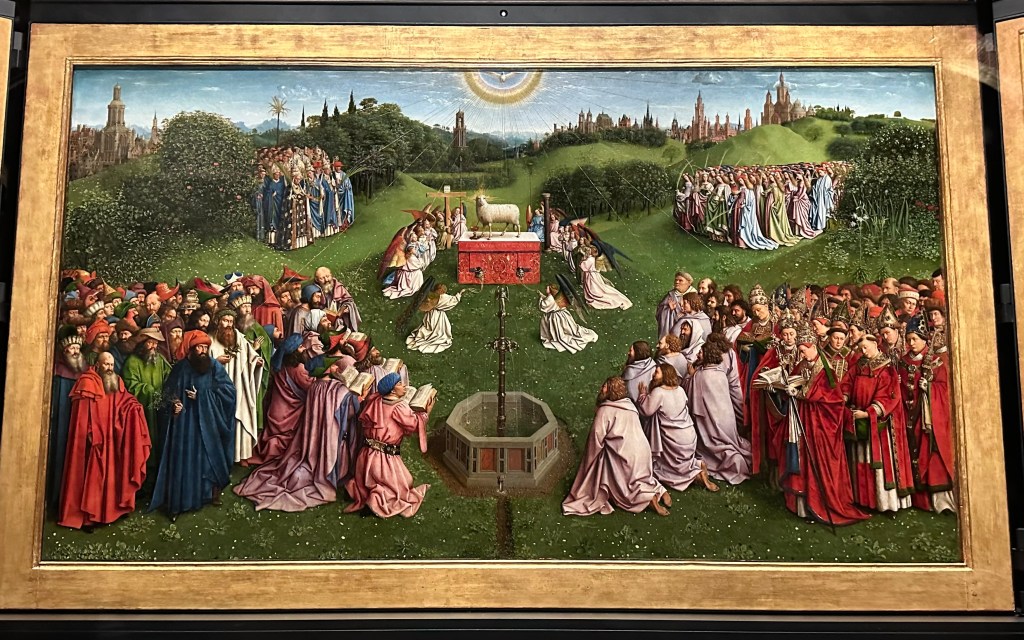
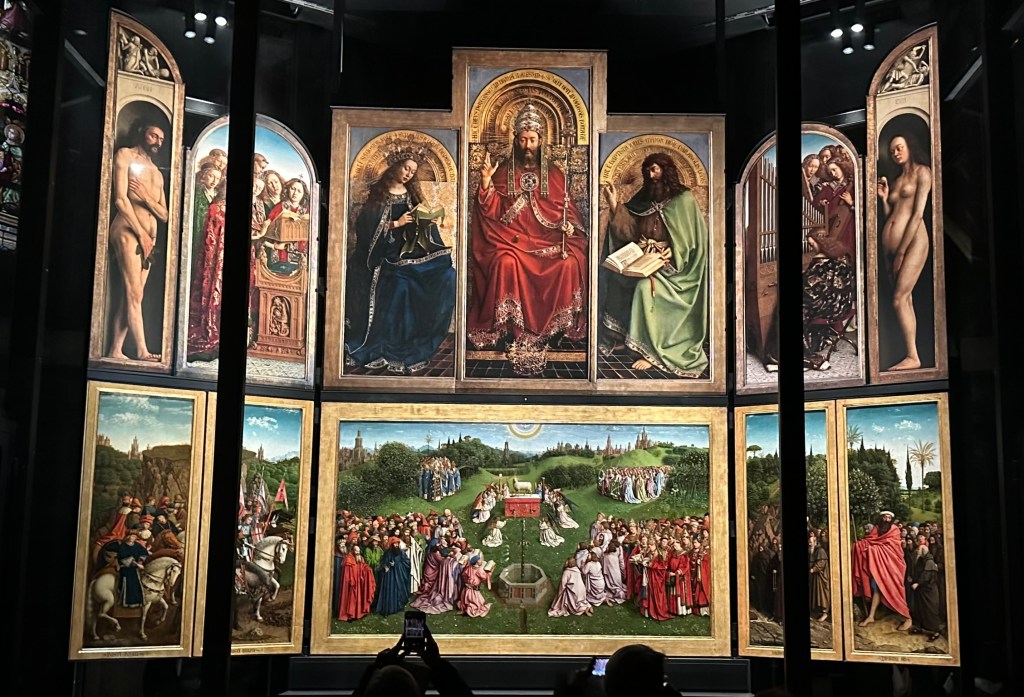
Jan and Hubert van Eyck’s famous Adoration of the Mystic Lamb, better known as the Ghent Altarpiece of 1432, ranks among the most significant works of art in Europe. Housed at Saint Bavo Cathedral in Ghent, the large and complex altarpiece suffered a varied history over the centuries.
The most frequently stolen painting in the world is not Rembrandt’s Portrait of Jacob de Gheyn III, stolen a measly four times from the Dulwich Picture Gallery in London. It is in fact the Ghent Altarpiecealso called Adoration of the Mystic Lamb, by Jan van Eyck. Completed in 1432, but begun by Jan van Eyck’s older brother, this masterpiece of 15th-century Flemish painting was the most famous artwork in Europe upon its completion, and an object of pilgrimage for artists and thinkers. It was the target of some 13 different crimes, including having been stolen,
all or in part, six times. Its story is more bizarre than fiction could possibly invent—and new twists in the tale
continue to come out today
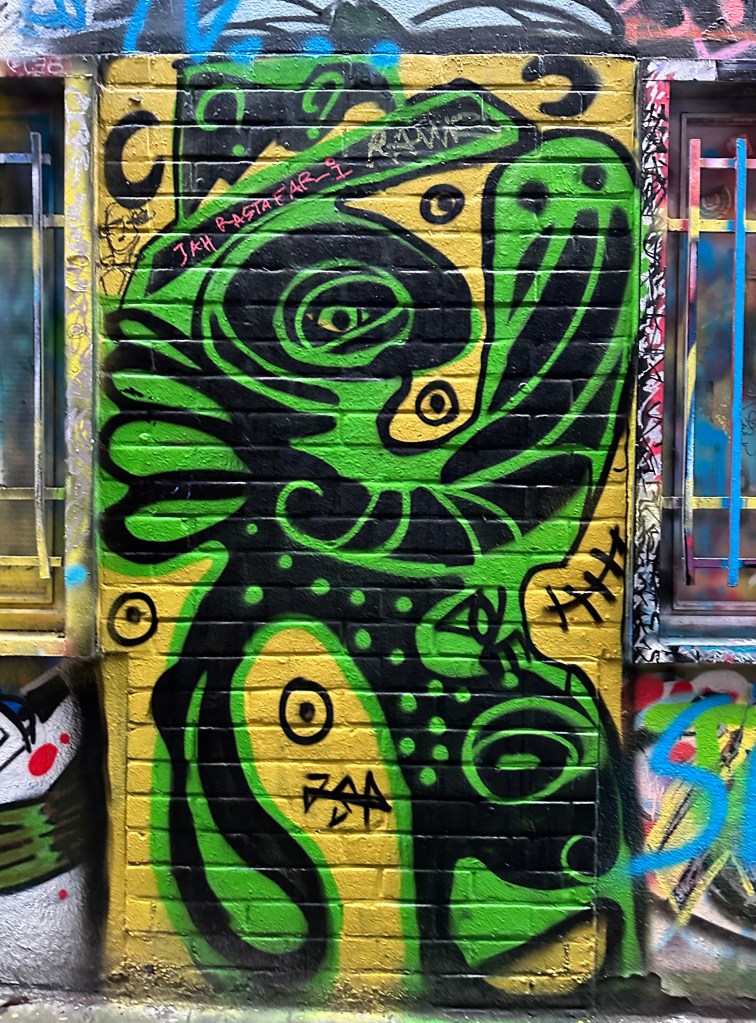
Ghent isn’t just another picturesque European city – juxtaposed against its historic old town is a vast collection of vibrant, modern street art. Buildings throughout the city are adorned with over 140 striking murals, mostly
from local artists, as well featured works from international artists.
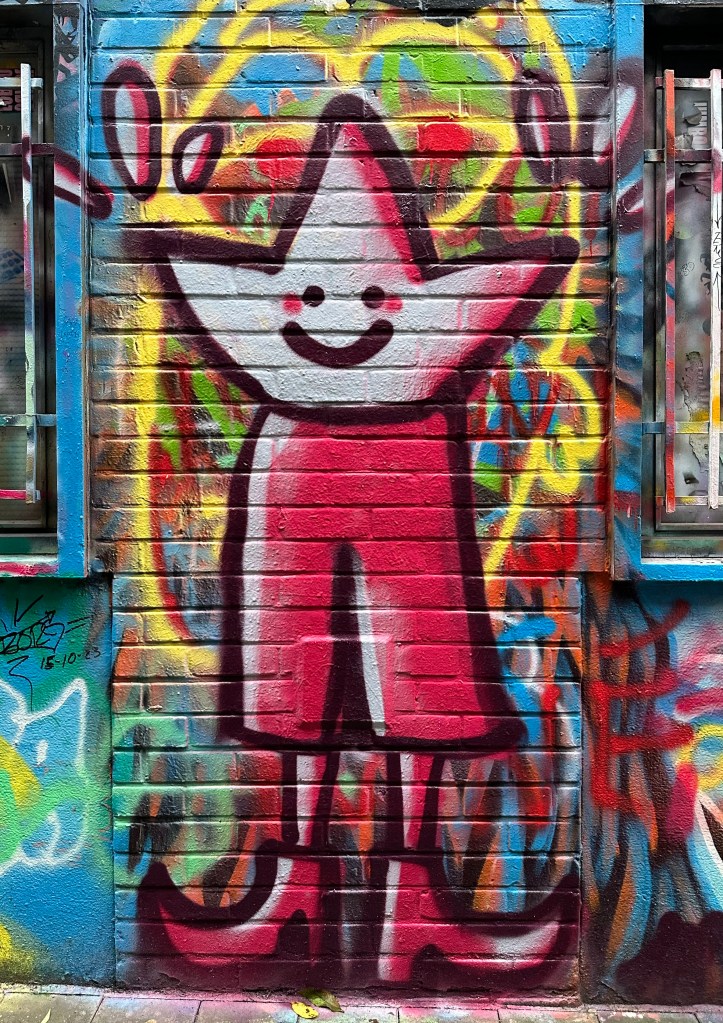
Werregarenstraat—aka ‘Graffiti Alley’, Ghent’s most famous street art location.
It is a living public gallery, opened to street artists in 1995.

Leave a comment

Design a site like this with WordPress.com
Get started