This morning. Bookstores and my second bridal photo shoot,
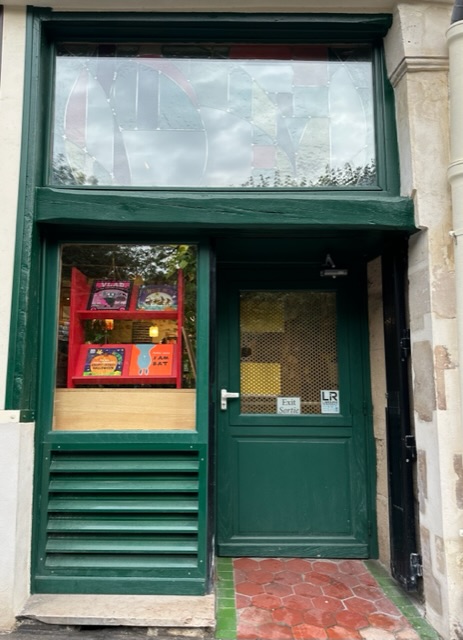
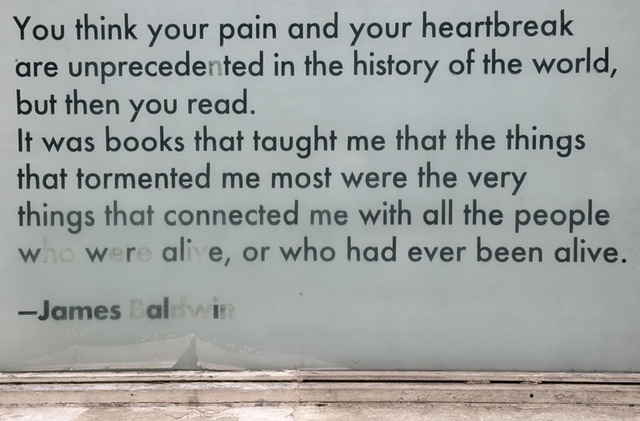
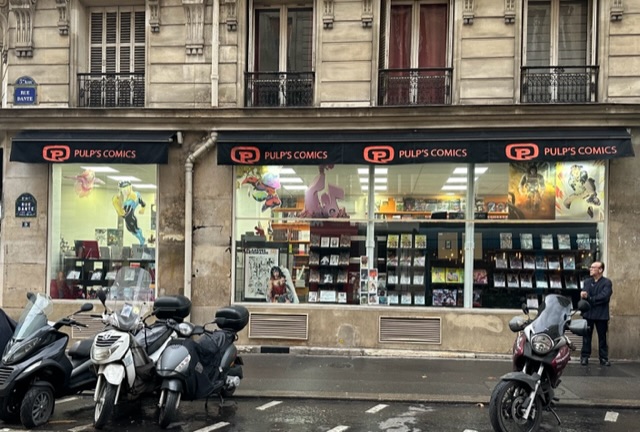
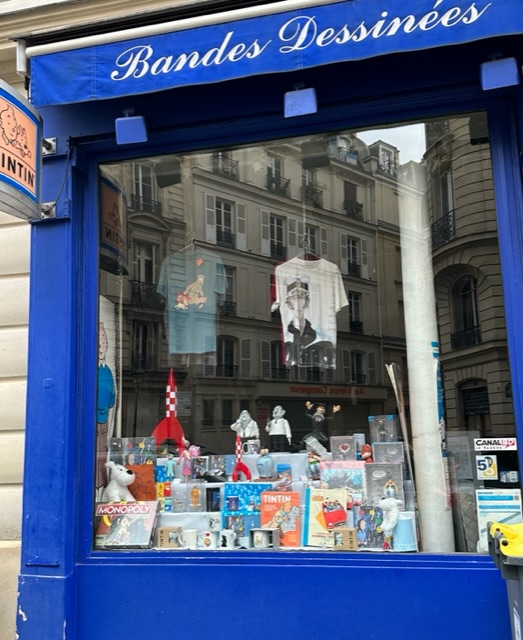
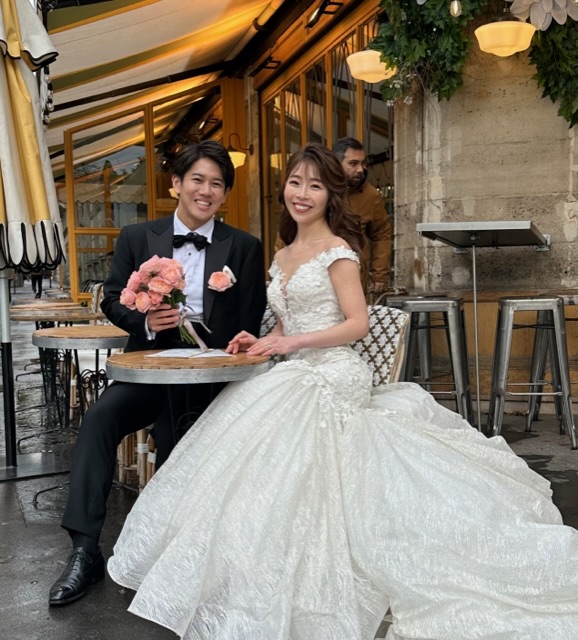
Paris weddings seem popular, Alex and Luke? A second ceremony?
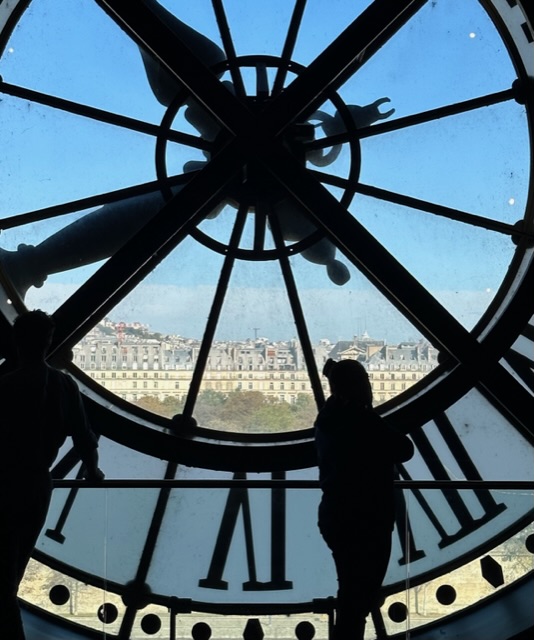
Musée d’Orsay
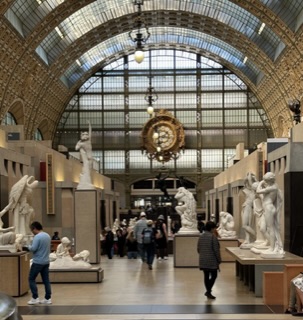
The Musée d’Orsay is a museum in Paris, France, on the Left Bank of the Seine. It is housed in the former Gare d’Orsay, a Beaux-Arts railway station built between 1898 and 1900. The museum holds mainly French art dating from 1848 to 1914, including paintings, sculptures, furniture, and photography
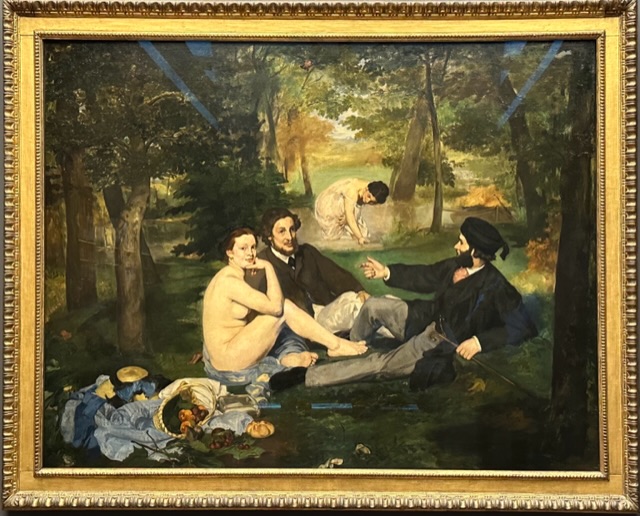
The Orsay has a beautiful collection of French Impressionist art, along with being a gorgeous building in and of itself. You can see the entire collection within a few hours—more if you spend lots of time in each gallery. Degas, Monet, Caillebot, Gauguin, Van Gogh and his Starry Night to name a few.
Art in Paris seems chronological—going from the Louvre to Orsay to Pompidou. Formerly a royal palace, the Louvre embraces eight centuries of French history. Intended as a universal museum since its creation in 1793, its collections – among the finest in the world – span several thousands of years and a territory that extends from America to the confines of Asia. The Louvre is a universal museum with eight curatorial departments: Egyptian Antiquities; Near Eastern Antiquities; Greek, Etruscan, and Roman Antiquities; Paintings; Sculptures; Decorative Arts; Prints and Drawings; and Islamic Art (we didn’t go in ). As an “Impressionist paradise”, the Orsay boasts a splendid collection of Impressionists and Post-Impressionists, the origin of early modern art (1848-1914). A benchmark for each of the great artistic movements of the 20th and 21st centuries, the Centre Pompidou collection starts around 1905. The cubist movement, initiated in 1907 by Braque and Pablo Picasso, is also represented here with major works by the painters Juan Gris and Ferdinand Léger and sculptors Henri Laurens and Jacques Lipchitz.
Today the Orsay.
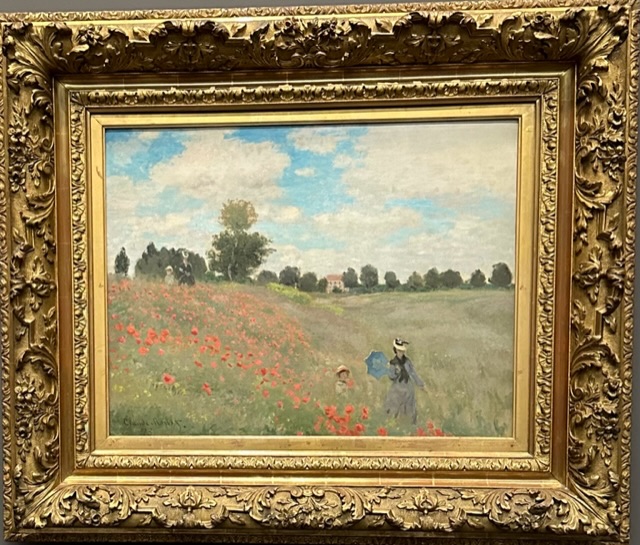
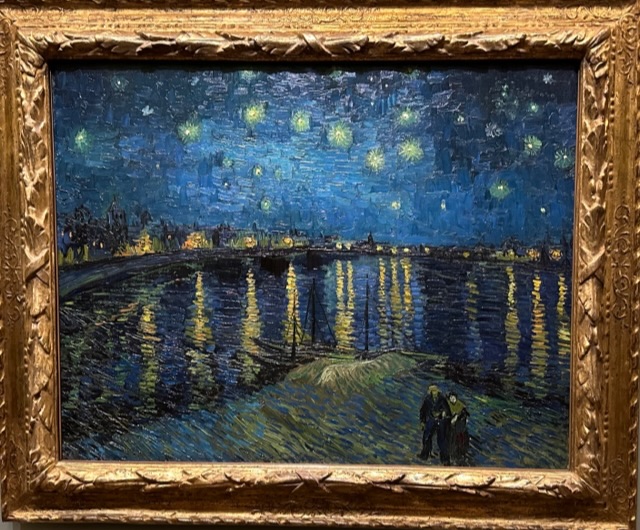
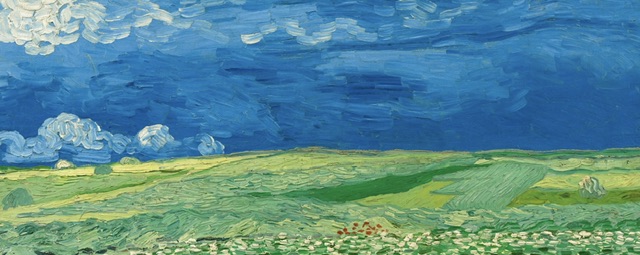
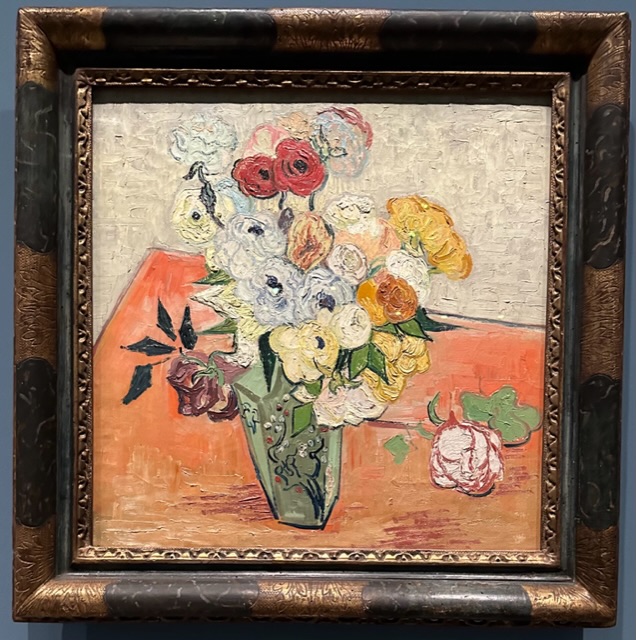
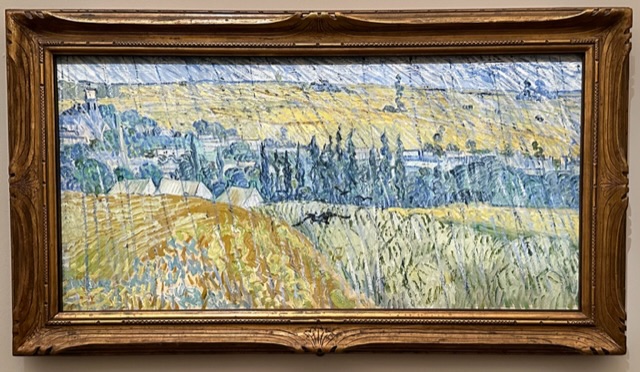
Van Gogh in Auvers-sur-Oise. The Final Months
We were lucky enough to see. Opening at the Musée d’Orsay on October 3, this exhibition is the first to be devoted to the works produced by Vincent Van Gogh (1853-1890) during the last two months of his life, in Auvers-sur-Oise near Paris. The exhibition is the result of years of research on this crucial phase in the artist’s life, and will finally enable us to appreciate its true importance.
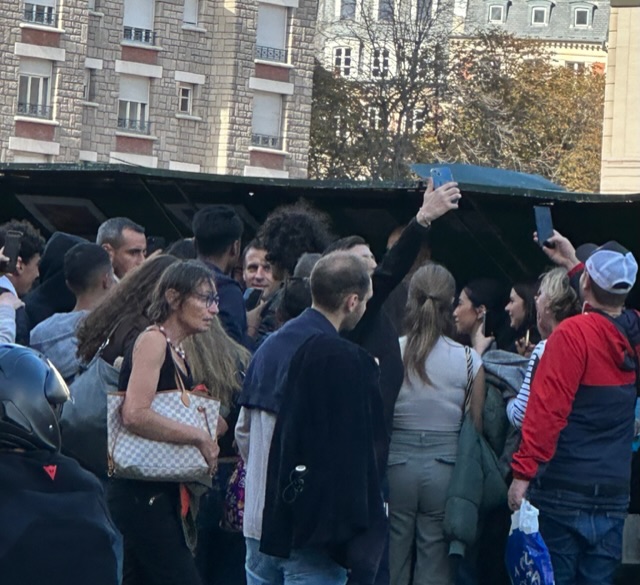
President Macron stopped right in front of us on the way back to the apartment from Orsay. Can you believe it?
 Dream to Travel from NCM