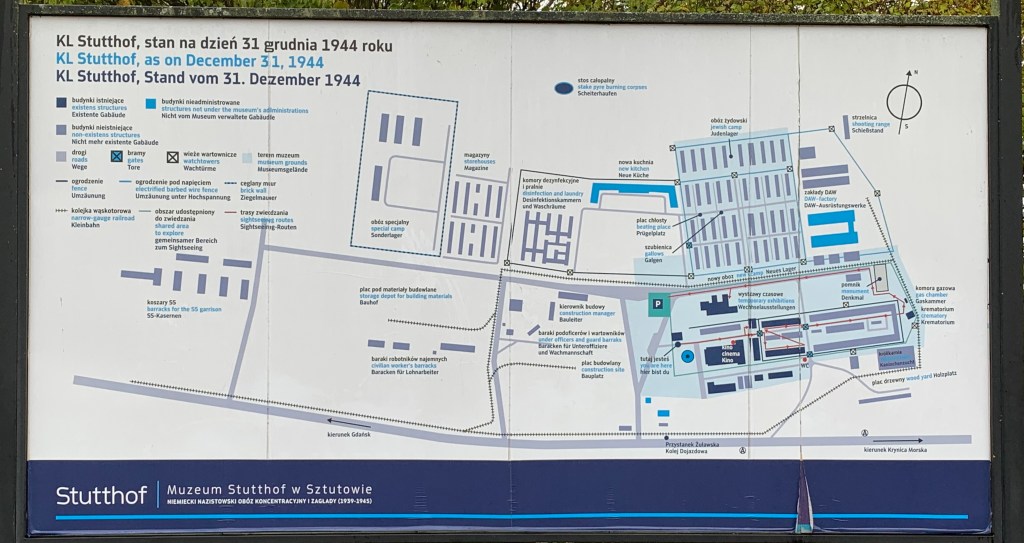
It was fitting that it was a foggy, overcast, dreary day in Sztutowo. The atrocities committed here are unfathomable. Stutthof was one of the camps which gained its reputation by serving the Nazi genocide of the Jews alongside with political oppression of the wider population, slave labor profit-making and even unethical medical experimentation with prisoners as involuntary experimental subjects. Stutthof’s initial role was to serve as an internment center for undesirable Poles (members of the political opposition, intellectuals, etc.) right from the start of the war, which began in Danzig/Gdansk.
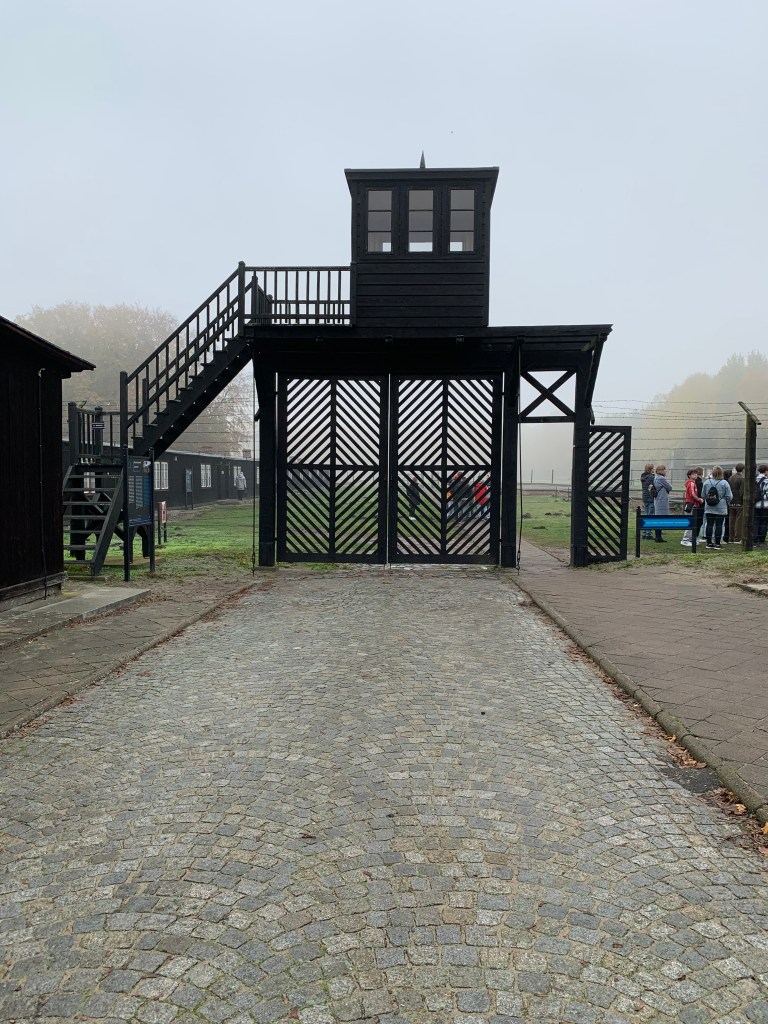
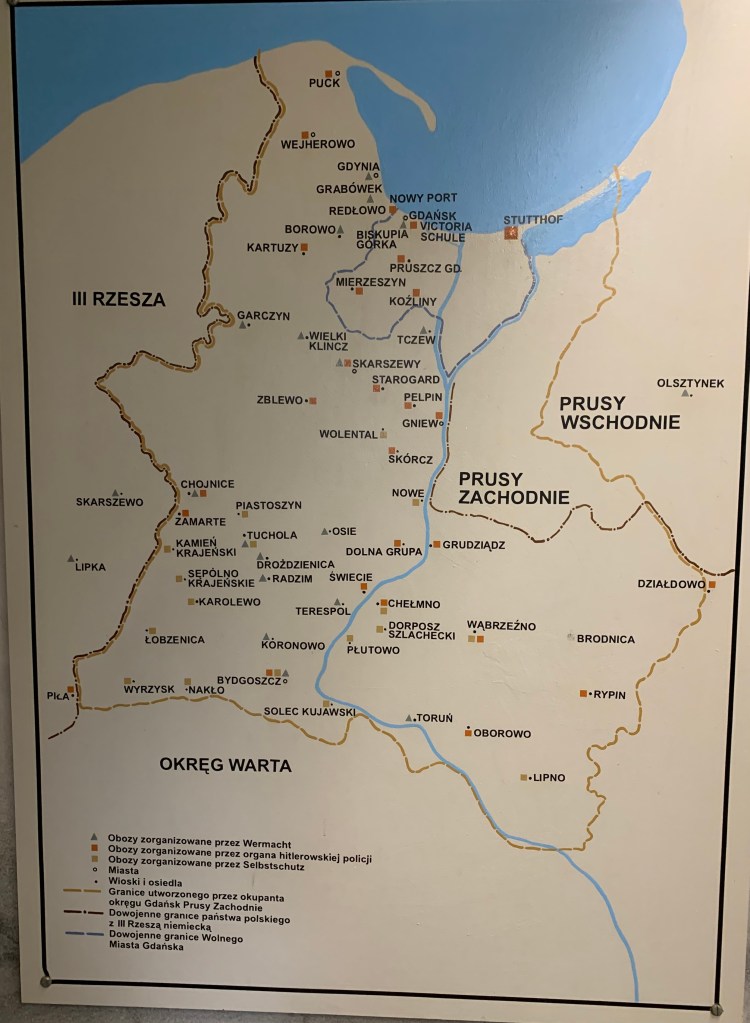
In September 1939, the Nazis created the concentration camp of Stutthof (Sztutowo) in a wooded area near the Baltic port of Gdansk. It was approximately 36 km east of the city of Gdansk, where the Visla river flows into the Baltic Sea. Originally, it was a civil prison camp for political enemies of the Nazi regime in the free city of Gdansk and Western Prussia. Only two weeks after it was set up, over 6,000 members of the Polish intelligentsia, prisoners of war, Jehovah’s Witnesses and other persecuted people had been interned there. In November 1941, Stutthof was labelled an “SS special camp”, and from January 1942 on, it was officially declared a concentration camp.
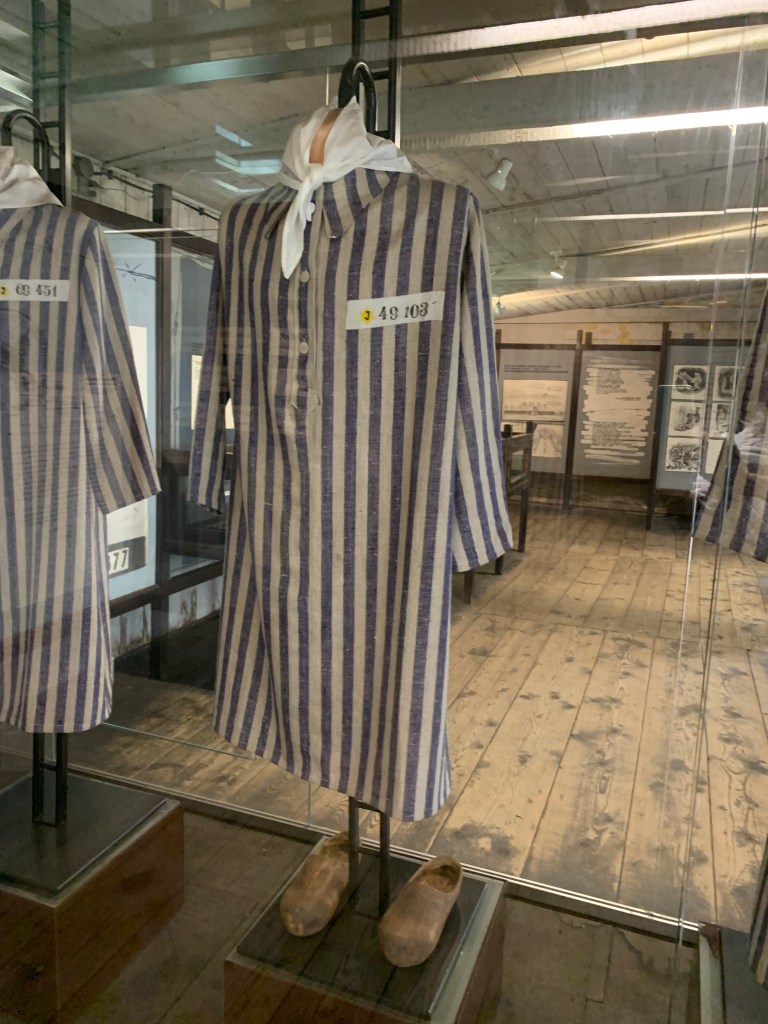
complete with sleeping quarters, eating tables, and washrooms.
Stutthof was the first concentration camp created by the Nazis outside of the country of Germany. It was also the last camp liberated by the Allies. The first prisoners to arrive in the camp were Polish citizens and P.O.W. Again, by mid-September, there were 6,000 prisoners in the camp among them prisoners of war and scientists. Most of them were executed by the SS.
Between September 2,1939 and May 10, 1945, 127,000 prisoners were registered upon their arrival in the camp. The lowest estimation of the number of victims is 85,000. The real number is certainly much higher as the inmates who were selected for immediate execution upon their arrival were not registered.
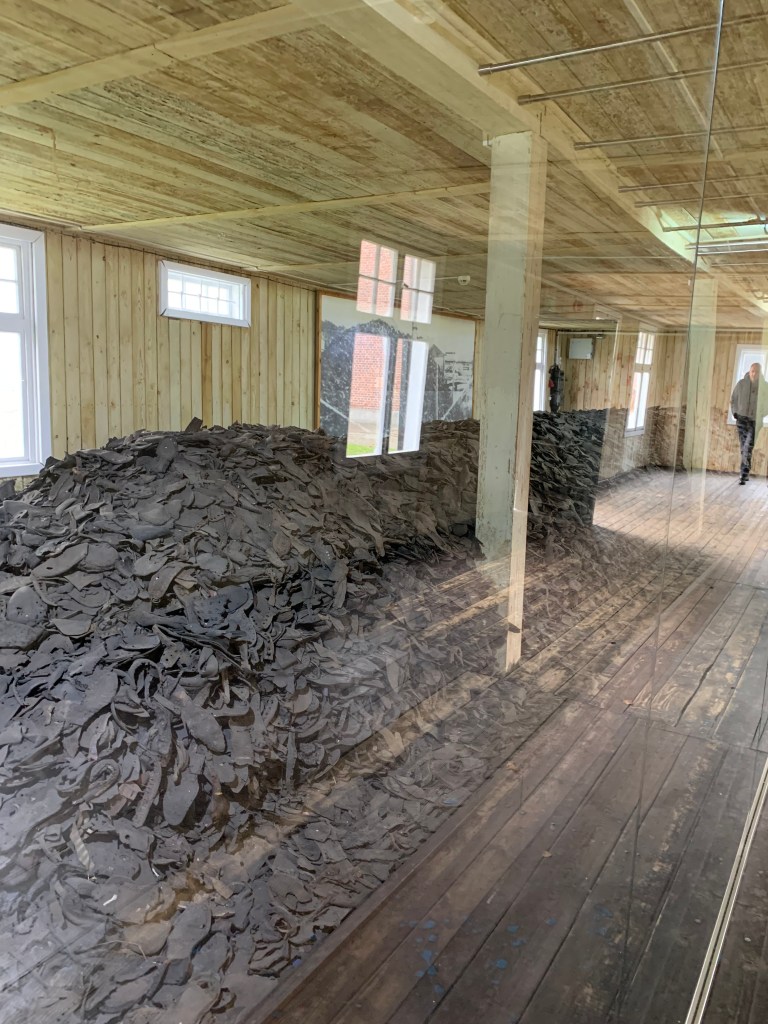
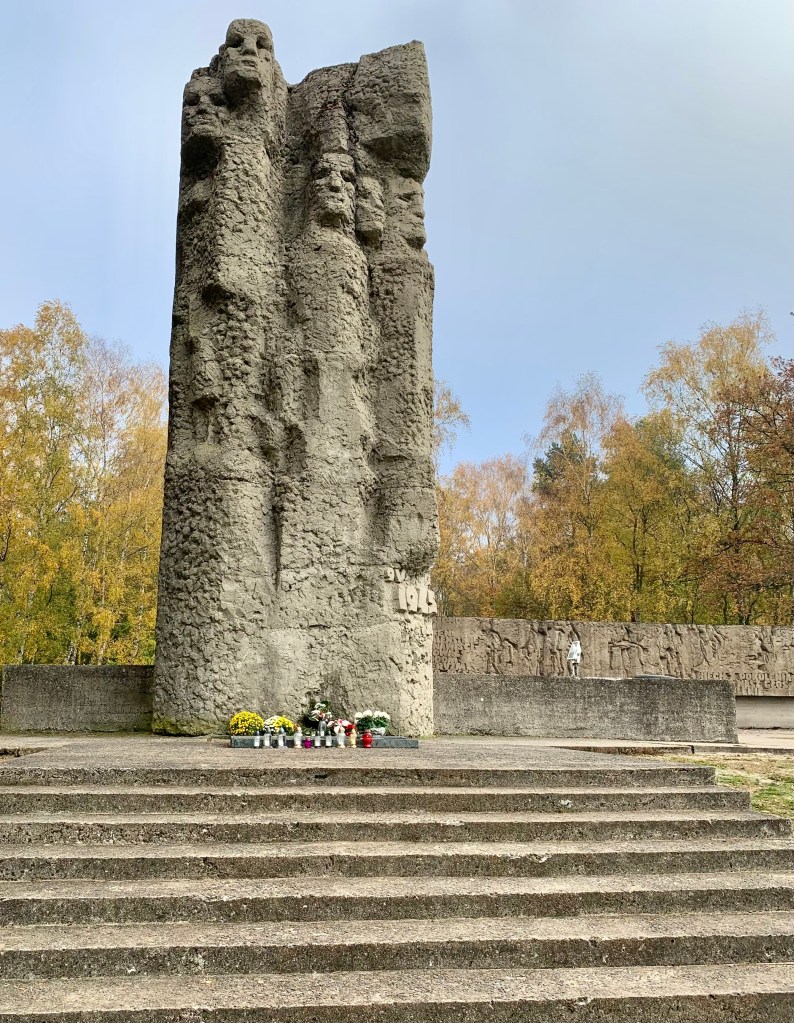
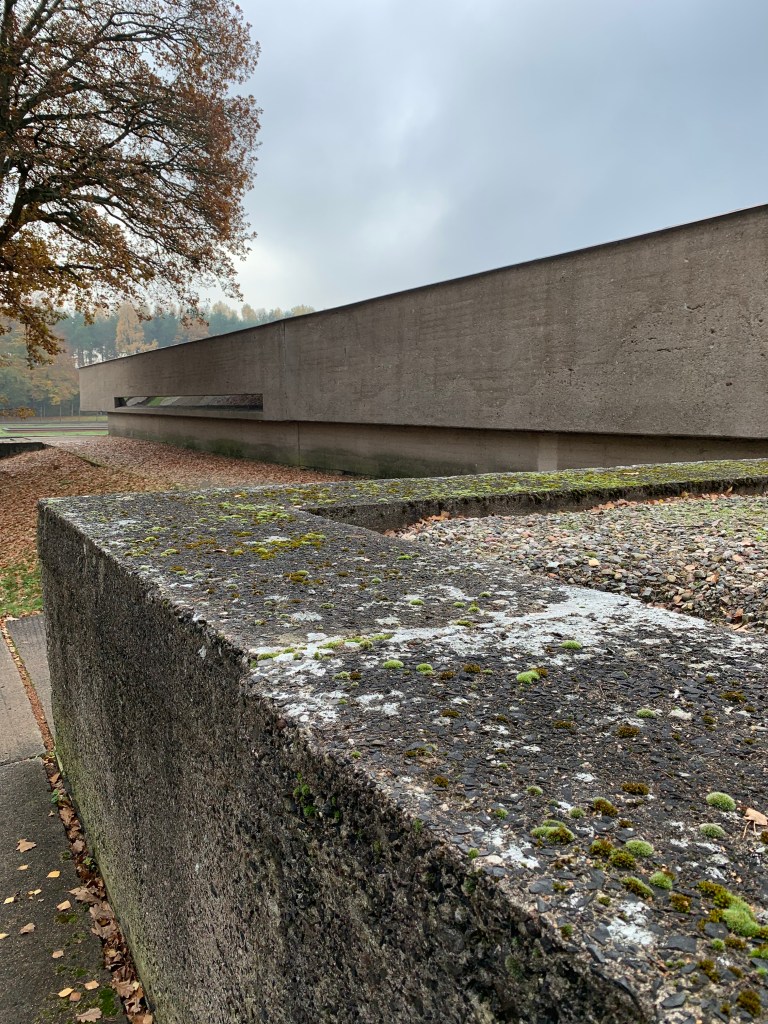
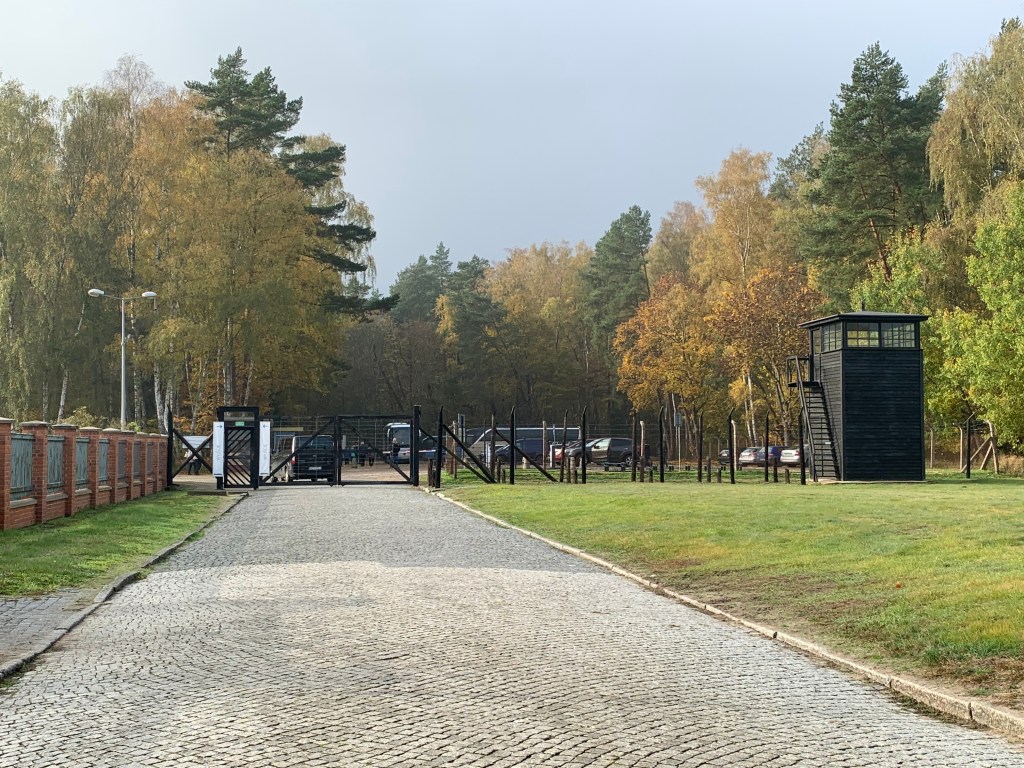
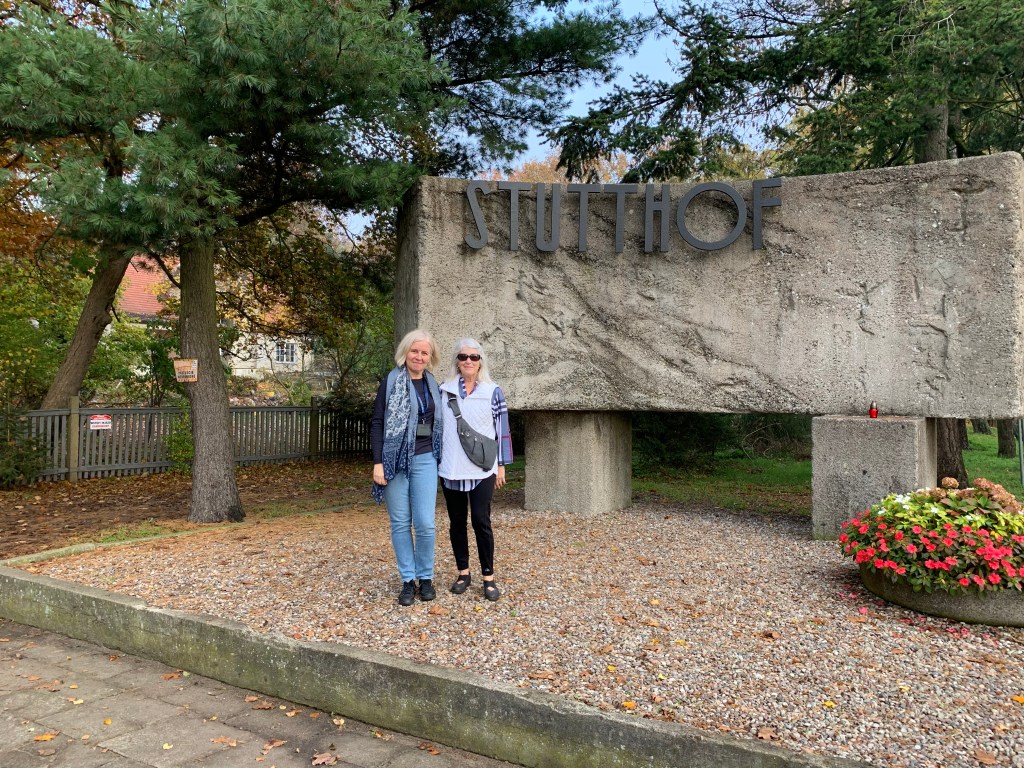
and paid tribute to the survivors.
 Dream to Travel from NCM